
The Brain and Visual Perception System
Oracle Medicine Atlas
Understanding ailments of the Brain, The Limbic System, Eyes, Pituitary Gland and Pineal Gland
THE BRAIN AND VISUAL PERCEPTION SYSTEm:
The Architecture of Meaning, Orientation, and Conscious Sight
This system is where the body assigns meaning to reality. It is not merely where signals are received, but where perception becomes interpretation, and interpretation becomes belief. The brain and eyes form a living interface between the external world and the internal landscape, translating light, motion, pattern, and memory into orientation, decision, and identity. Here, vision is not passive. It is active, selective, and deeply influenced by safety, history, and expectation.
The brain does not experience the world directly. It constructs it. Sensory input from the eyes is filtered through emotional memory, autonomic state, and endocrine signaling before it ever reaches conscious awareness. The limbic system colors what is seen with threat or neutrality, the cortex assigns narrative and coherence, and the brainstem monitors survival beneath it all. The eyes gather light, but the brain decides what that light means. This system determines whether the world is perceived as hostile, inviting, confusing, or clear.
Within this architecture, the hypothalamus, pituitary, and pineal glands act as translators between perception and physiology. What is seen alters chemistry. What is anticipated alters hormones. What is believed alters the body’s state of readiness or rest. Visual perception shapes circadian rhythm, stress response, focus, and intuition. It governs not only how clearly one sees outward, but how accurately one senses timing, pattern, and inner orientation.
This system also carries the weight of vigilance. When perception has learned that safety is uncertain, the brain narrows focus, the eyes strain, and interpretation hardens. When regulation is restored, vision softens, perspective widens, and meaning becomes flexible again. To work with this system is not to force insight or clarity, but to restore the conditions under which truth can be perceived without distortion.
The Brain and Visual Perception System teaches this fundamental truth: Reality is not just seen. It is shaped by the state of the seer.

Anatomy & Function
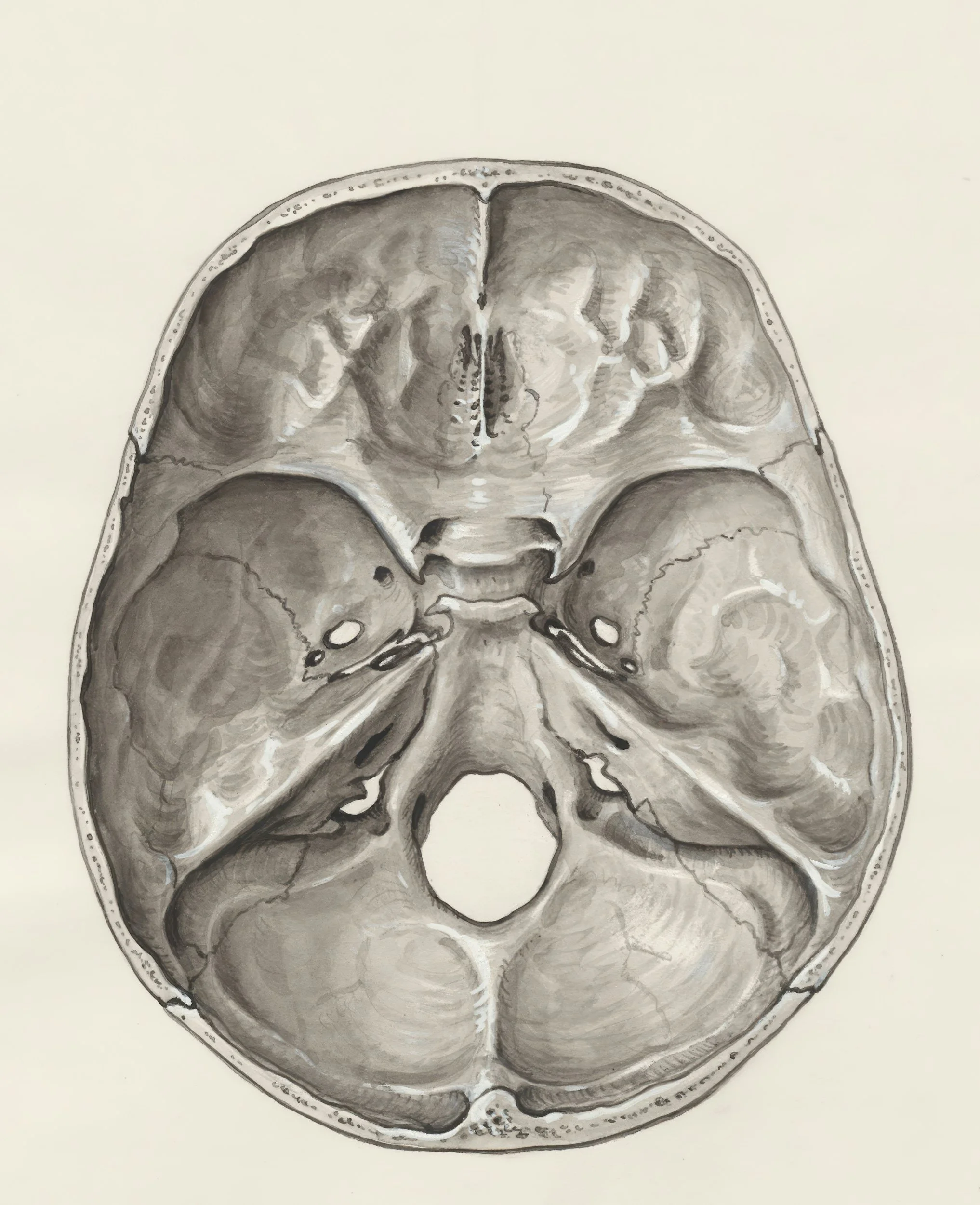
The brain is not a single organ but a living constellation of structures that coordinate perception, movement, memory, emotion, and survival in real time. Weighing only a few pounds, it consumes a disproportionate amount of the body’s energy, reflecting its role as the primary regulator of internal coherence. Billions of neurons communicate through electrical impulses and chemical messengers, forming dynamic networks that reorganize continuously in response to experience. The brain is not fixed architecture; it is responsive terrain.
At its core, the brainstem governs the most ancient rhythms of life, regulating breath, heart rate, swallowing, arousal, and sleep. It is the interface between conscious awareness and autonomic function, scanning constantly for cues of safety or threat. Above it, the limbic system integrates emotion, memory, and meaning, imprinting experiences with feeling before conscious thought ever engages. This region determines whether perception is colored by curiosity or vigilance, openness or defense.
The cerebral cortex refines perception into language, pattern recognition, imagination, and decision-making. Visual input from the eyes travels through the optic nerves and thalamus before reaching the visual cortex, where light becomes shape, contrast, depth, and motion. Yet vision does not exist in isolation. What is seen is immediately cross-referenced with memory, belief, emotional state, and hormonal signaling. The brain constructs reality by synthesizing sensory data with internal context, determining not only what is visible, but what is attended to and what is ignored.
The eyes themselves are extensions of the brain, formed from neural tissue and directly connected to central processing centers. The retina converts light into electrical signals, translating external photons into internal information. Eye muscles coordinate precise movement, allowing the visual field to scan, track, and orient the body in space. Subtle dysfunctions in ocular alignment, focus, or light processing can influence posture, balance, nervous system tone, and fatigue, underscoring the eyes’ role in whole-body regulation.
Hormonal signaling weaves through this system continuously. The hypothalamus acts as a central relay, translating perception into endocrine response. What the eyes see influences circadian rhythm, cortisol release, melatonin production, and metabolic signaling. Light exposure, visual stress, and sensory overload can alter sleep patterns, mood stability, and immune resilience. Perception, in this way, directly shapes physiology.
When this system is regulated, perception is fluid and adaptable. The brain can shift between focused attention and wide awareness with ease. When strained or overstimulated, perception narrows. Muscles tense, eyes strain, thoughts loop, and interpretation hardens. The body compensates for cognitive overload through fatigue, headaches, visual disturbances, and emotional reactivity.
The Brain and Visual Perception System functions as the body’s internal compass. It orients the organism in time and space, translating the external world into internal response. Its health is not measured solely by clarity of thought or sharpness of vision, but by flexibility of perception. To support this system is to restore the conditions under which the body can see clearly without bracing, interpret accurately without fear, and remain present without collapse.
WHEN THE BRAIN AND EYES SPEAK
When the brain and eyes speak, they reveal how reality has been shaped by vigilance, expectation, and survival memory. Headaches, visual strain, brain fog, light sensitivity, looping thoughts, or disorientation are not failures of perception but signals of overload, mistrust, or prolonged alert. This system speaks when interpretation has become rigid and the nervous system no longer feels safe to widen its view. Its symptoms call for restoration of orientation, not sharper focus, reminding the body that clarity arises from regulation, not control.

THE Brain:
Watcher of Worlds
Element: Ether / Light
Chakra: Crown (primary) Third Eye (Secondary)
Primary Meridians: Governing Vessel (Du Mai) Bladder Meridian (Head Branches)
Emotional Archetype: The Architect of Perception, The Watcher at the Threshold
Anatomy & Function
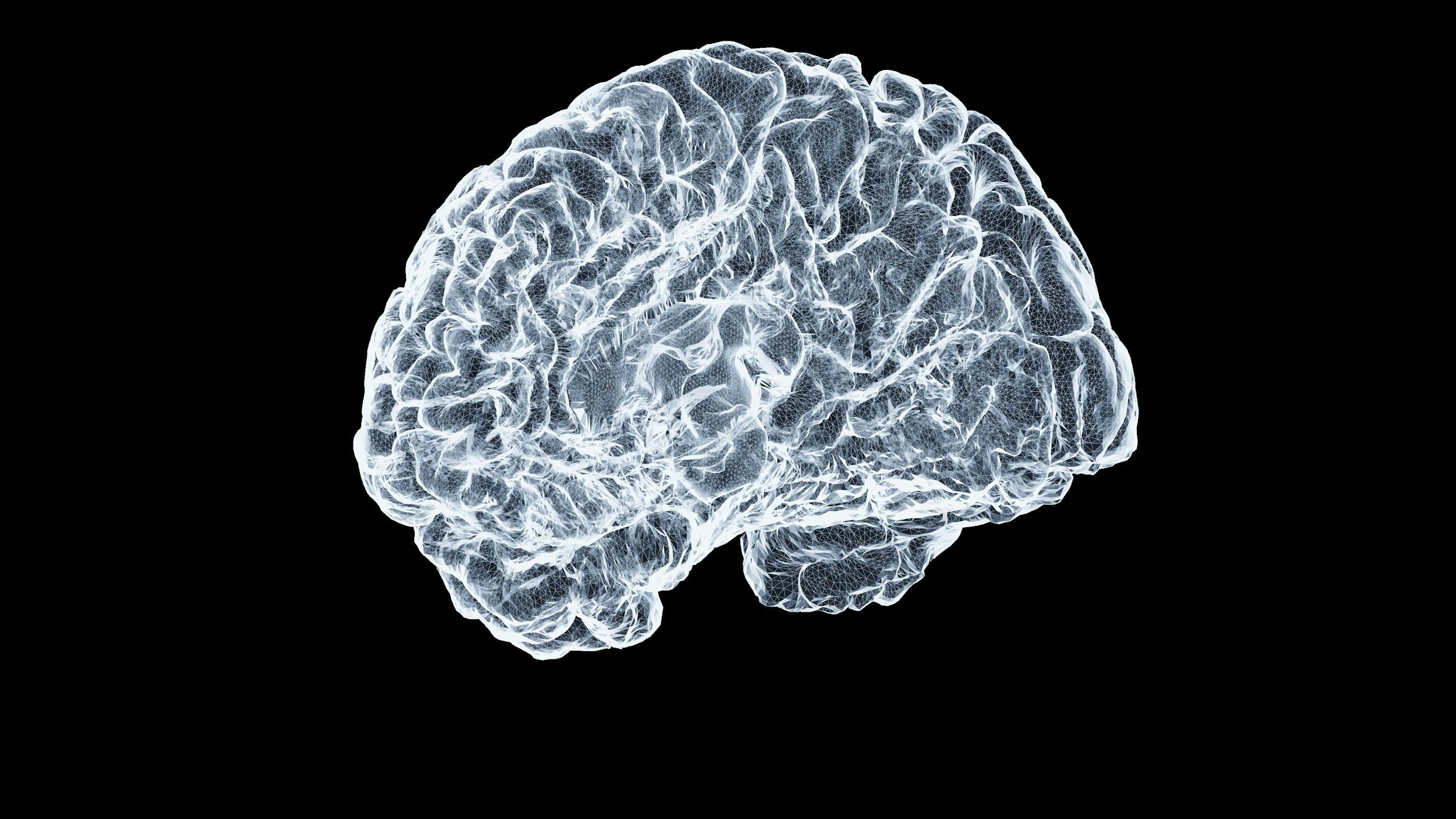
The brain is the central integrative field of the body, translating sensation into meaning and meaning into action. It is composed of layered systems that evolved across deep time, each responsible for a distinct aspect of survival, perception, and consciousness. Rather than functioning as a single command center, the brain operates as a living network, continuously adjusting internal state in response to sensory input, memory, emotional context, and physiological demand.
At its foundation, the brainstem governs the most essential rhythms of life. It regulates breathing, heart rate, swallowing, sleep-wake cycles, and autonomic tone without conscious effort. This region scans the environment for cues of safety or threat and determines whether the body can relax, engage, or must mobilize for survival. When the brainstem is regulated, the body experiences orientation and steadiness. When it is overburdened, the entire system shifts toward vigilance, impacting posture, digestion, hormone balance, and perception itself.
The cerebral cortex refines perception into cognition, language, imagination, and choice. This outer layer of the brain allows for abstraction, reflection, pattern recognition, and conscious decision-making. Sensory input from the eyes, ears, and body ascends through the thalamus before being distributed to specialized cortical regions. Vision, in particular, is not simply received but constructed, as the brain synthesizes light, contrast, motion, and depth with memory, belief, and expectation. What is seen is inseparable from the internal state of the observer.
The brain is metabolically demanding, consuming a significant portion of the body’s glucose and oxygen. Cerebral blood flow is tightly regulated, adjusting moment by moment to cognitive load, emotional state, and environmental demand. Disruptions in circulation, oxygenation, or glucose availability directly impair focus, clarity, and emotional regulation. The brain’s reliance on rhythmic blood flow, electrical signaling, and chemical balance reflects its sensitivity to stress, inflammation, and sensory overload.
Neural networks within the brain are not fixed. Through neuroplasticity, connections strengthen or weaken in response to repeated experience. Attention shapes structure. Habit shapes circuitry. Chronic stress, suppression, or overstimulation can reinforce rigid neural pathways, while safety, novelty, and regulation allow for flexibility and reorganization. The brain learns not only through thought, but through the body’s lived experience of safety and threat.
When this system is functioning optimally, perception is adaptable and coherent. The brain can shift between focus and rest, logic and intuition, engagement and withdrawal without collapse or rigidity. When strained, the system compensates through symptoms such as brain fog, headaches, sensory sensitivity, intrusive thoughts, dissociation, or emotional volatility. These are not signs of failure, but of a system attempting to manage more input than it can safely integrate.
The brain does not simply process reality. It creates the conditions through which reality is experienced. To work with the brain is to work with orientation, trust, and internal coherence. Healing this system is not achieved through control or force, but through restoring safety, rhythm, and the body’s innate capacity to reorganize itself in response to truth.
Common Ailments of Brain and how to bring healing to them
-
Brain fog reflects impaired cerebral circulation, mitochondrial strain, neuroinflammatory load, or mismatched glucose and oxygen delivery. The brain downshifts processing speed to conserve energy under sustained demand or endocrine stress.
Energetic Meaning: Perceptual coherence has fractured. The system prioritizes survival efficiency over clarity.
Healing Tools:
Physical: Gentle aerobic movement, nasal breathing, morning light exposure, stable blood sugar through adequate protein and mineral intake, and hydration to support cerebral blood flow.
Herbal: Lion’s Mane for neuroplastic support, ginkgo for cerebral circulation, rosemary for mental clarity, and gotu kola to restore cognitive tone.
Energetic: Support the Governing Vessel through spinal extension and gentle cranial base release.
Ritual: Begin the day with sensory orientation, naming what is seen, heard, and felt to reestablish internal coherence.
-
Headaches arise from vascular dysregulation, muscular tension, visual strain, or prolonged cognitive effort without integration.
Energetic Meaning: Mental force has replaced receptive perception. Pressure accumulates where flexibility is needed.
Healing Tools:
Physical: Hydration, cervical and jaw release, reduced screen exposure, mineral repletion, and regulation of light input.
Herbal: Feverfew for vascular headaches, butterbur, peppermint for tension patterns, and skullcap for neural irritation.
Energetic: Release constriction along the Bladder meridian at the occiput and upper cervical spine through Myofascial work
Ritual: Rest the eyes in darkness with palms covering the orbits, allowing the mind to soften its grip.
-
These symptoms reflect overload in visual processing pathways, often compounded by prolonged near-focus, artificial light exposure, or sympathetic dominance.
Energetic Meaning: The system is protecting itself from excess input by narrowing perception.
Healing Tools:
Physical: Distance gazing, eye mobility exercises, frequent breaks from near work, and nutrient-dense fats to support retinal tissue.
Herbal: Bilberry for retinal circulation, eyebright for ocular strain, schisandra for visual endurance, and chrysanthemum flower for light sensitivity. Sananga is also very powerful for this pattern
Energetic: Soften the Third Eye center with gentle touch and slow exhalation into the forehead.
Ritual: Practice wide-field vision outdoors, allowing peripheral awareness to reemerge.
-
Attention difficulties often stem from overstimulation, neurotransmitter imbalance, or lack of rhythmic transitions between task states.
Energetic Meaning: The Brain is attempting to hold too many channels open simultaneously.
Healing Tools:
Physical: Single-task focus, structured work-rest cycles, adequate protein and mineral intake, and movement between cognitive demands.
Herbal: Bacopa for attentional clarity, rhodiola for mental endurance without overstimulation, holy basil for stress-buffering focus, and oat straw for nervous system nourishment.
Energetic: Anchor awareness through grounding the feet and lower spine before engaging cognitive work.
Ritual: Open and close focused work periods intentionally to signal completion to the nervous system.
-
This pattern reflects reduced filtering capacity, where the brain struggles to distinguish signal from noise.
Energetic Meaning: Perceptual boundaries have thinned. The system requires containment, not stimulation.
Healing Tools:
Physical: Reduction of sensory input, prioritization of sleep, mineral support, and regulation of stimulants.
Herbal: Lemon balm for sensory calming, skullcap for neural overactivation, passionflower for overstimulated cognition, and milky oat for long-term nervous system repair.
Energetic: Strengthen the midline through breath down the spine to restore internal containment.
Ritual: Daily sensory fasting, even briefly, to allow integration.
-
These symptoms may reflect vestibular strain, circulatory shifts, or impaired spatial integration between vision, posture, and balance.
Energetic Meaning: Orientation has been disrupted. The internal compass requires recalibration.
Healing Tools:
Physical: Gentle balance practices, slow head movements, grounding through the legs and pelvis, and consistent nourishment.
Herbal: Ginger for vestibular support, rosemary for circulation, hawthorn for vascular tone, and ginkgo where appropriate.
Energetic: Reestablish vertical alignment from crown to feet, emphasizing lower-body anchoring.
Ritual: Slow walking while tracking both horizon and body sensation simultaneously.
Deep Shamanic UnderstanDing of The Brain
-
In shamanic medicine, the brain is not the seat of consciousness. It is the lens through which consciousness is rendered visible. It is the translator of the invisible into the perceivable, the instrument that converts frequency into form, impulse into image, and vibration into thought. When the brain is misunderstood as the origin of intelligence rather than its receiver, it becomes overburdened, forced to generate meaning rather than receive it. This misunderstanding is the root of much modern neurological strain.
Hermetic principle teaches that the mind is not confined to the skull. “As above, so below” applies not metaphorically but structurally. The brain is a condensation point in a larger field of intelligence that exists everywhere at once. Thought does not arise inside the brain; it passes through it. Perception is shaped not only by neural firing but by resonance. What the brain cannot resonate with, it cannot perceive. What it is forced to interpret without resonance becomes distortion.
In Vedic tradition, the brain is understood as part of Manas, the sensory mind, rather than Buddhi, the higher intelligence. Manas gathers, categorizes, compares. Buddhi discerns truth. When Manas is forced to replace Buddhi, when the brain is tasked with deciding truth rather than transmitting it, confusion, rigidity, and exhaustion follow. The brain begins to grasp rather than receive. This grasping is not intellectual. It is energetic.
Energetically, the brain is a crystalline structure. Its tissue holds memory not only through synapses but through coherence. The quality of consciousness passing through it determines how clearly reality is rendered. Trauma, suppression, overstimulation, and chronic vigilance fracture this coherence. The brain compensates by narrowing perception, increasing control, and defaulting to pattern over presence. This is not pathology. It is protection.
Shamanic cultures understood that vision was sacred because perception shapes reality. The brain and eyes together form the gate through which worlds are interpreted. When perception becomes rigid, the world appears dangerous, fragmented, or overwhelming. When perception is flexible, the same world reveals nuance, meaning, and choice. Healing the brain is therefore not about forcing clarity, but about restoring safety in perception.
Energy medicine recognizes that the brain sits at the convergence of light and matter. It is exquisitely sensitive to subtle input. Artificial light, relentless information, emotional suppression, and disembodiment all distort the signal arriving at this gate. Over time, the brain becomes loud, busy, or fogged not because it is failing, but because it is saturated. Silence becomes intolerable because the field has lost coherence.
From The Oracle perspective, many neurological symptoms arise when perception is required to remain sharp in environments that are not safe, true, or aligned. The brain is asked to stay alert while the soul is constrained. It is asked to see clearly while truth cannot be spoken. It is asked to make sense of contradictions that violate internal knowing. Over time, the system fractures. Focus becomes brittle. Memory dulls. Sensitivity increases. These are signals, not flaws.
The brain heals when it is returned to its rightful role: an interpreter, not an authority. When perception is allowed to widen. When the body is brought back into the field of awareness. When truth is not filtered for safety but allowed to move. When rhythm replaces force. When rest is honored as integration rather than failure.
In deep shamanic work, the brain is softened, not sharpened. Vision is widened, not narrowed. Attention is grounded into the body so perception does not float unanchored. The Architect of Perception (The Brain) learns to trust the field again. Clarity emerges not from effort, but from alignment. The brain remembers that it was never meant to hold the world together. It was meant to witness it.
THE LIMBIC SYSTEM:
The Keeper of Memory, Threat, and Emotional Survival
Element: Water
Chakra: Solar Plexus (primary), Heart (secondary)
Primary Meridians: Kidney, Liver
Emotional Archetype: The Sentinel, The One Who Remembers What Hurt
Anatomy & Function
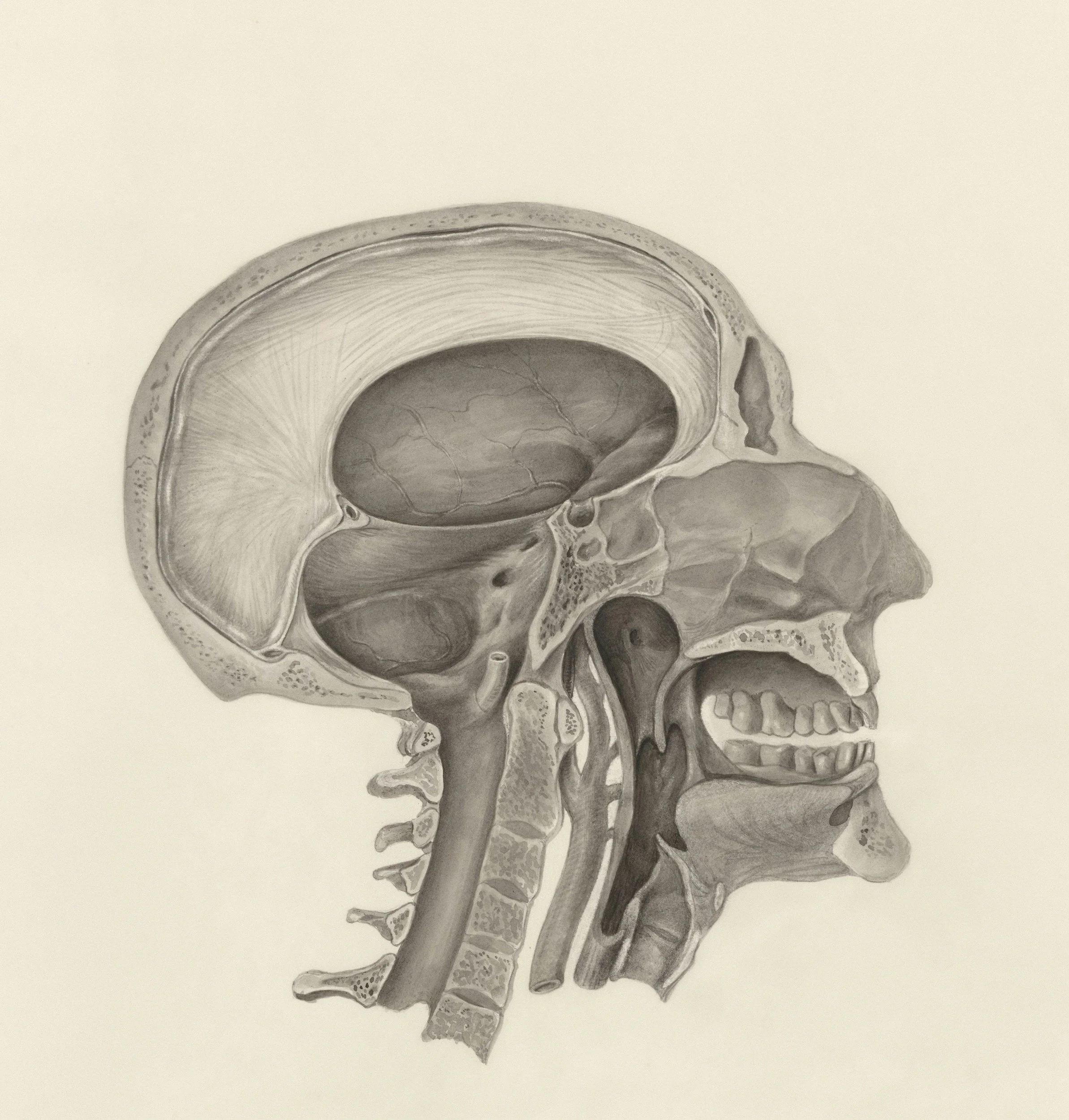
The limbic system is a network of structures embedded deep within the brain that governs emotional processing, memory formation, threat detection, and relational bonding. It operates beneath conscious awareness, shaping perception and behavior before thought or language arises. While often spoken of as a single system, it is composed of distinct but tightly integrated structures, including the amygdala, hippocampus, hypothalamus, and associated nuclei, each contributing to the body’s capacity to assess safety and respond appropriately.
The amygdala functions as an early warning system, scanning sensory input for cues of danger or familiarity. It reacts rapidly, prioritizing speed over accuracy, and can initiate stress responses before the cortex has time to evaluate context. This allows for survival in acute threat but becomes problematic when the system is chronically activated. Persistent amygdala engagement sensitizes the nervous system, keeping the body oriented toward vigilance even in neutral environments.
The hippocampus is responsible for contextual memory and temporal orientation. It helps the brain distinguish between past and present, encoding experiences with time and place. When functioning well, it allows memories to be recalled without overwhelming the present moment. When strained by chronic stress or trauma, this distinction blurs. The body reacts to current stimuli as if they belong to unresolved past experience, reinforcing cycles of reactivity and emotional flooding. (Ever heard of getting triggered?)
The hypothalamus acts as a critical bridge between emotional perception and physiological response. It translates limbic signals into hormonal and autonomic output, influencing appetite, temperature regulation, circadian rhythm, sexual function, and stress hormone release. Through its connection with the pituitary gland, it ensures that emotional experience is rapidly converted into bodily action. This makes the limbic system inseparable from endocrine and immune regulation.
Functionally, the limbic system governs attachment, motivation, fear, pleasure, and social engagement. It determines who feels safe, what feels threatening, and where attention is drawn. It shapes relational patterns long before conscious choice is available. Because it operates pre-verbally, the limbic system stores memory as sensation, image, and emotional tone rather than narrative. This is why limbic activation is often felt in the body before it can be articulated.
When regulated, the limbic system allows for emotional fluidity, accurate threat assessment, and secure attachment. The body can respond to challenge without remaining stuck in defense. When dysregulated, emotional responses become exaggerated, flattened, or disconnected from present reality. The system continues to protect based on outdated information, sacrificing flexibility for perceived safety. The limbic system is not irrational. It is conservative. Its primary function is to keep the organism alive and connected. Healing this system does not involve reasoning with it, correcting it, or overriding it. It involves restoring a lived sense of safety so that memory can release its grip and emotional response can return to proportion.
Common Ailments of the Limbic System & how to bring healing to them
-
Persistent anxiety, startle response, and inability to relax reflect a limbic system locked in threat monitoring. The amygdala remains overactive, interpreting neutral stimuli as potential danger and keeping stress hormones elevated.
Energetic Meaning: The system is living out of time. Past threat is being treated as present reality. Safety has not been updated in the body.
Healing Tools:
Physical: Prioritize nervous system regulation through slow movement, nasal breathing, and consistent daily rhythms. Reduce stimulants and sleep disruption.
Herbal: Skullcap for amygdala calming, lemon balm for nervous system settling, passionflower for hyperarousal, and milky oat for long-term repair.
Energetic: Bring attention to the back body and kidneys to signal containment and safety.
Ritual: Name what is actually happening now. Update the system gently and repeatedly.
-
Outbursts, shutdowns, or intense emotional swings often arise when the limbic system bypasses cortical integration. The body reacts before context can be assessed.
Energetic Meaning: Overburdened. Emotion moves without containment because regulation was not learned in safety.
Healing Tools:
Physical: Slow transitions between activities, grounding through the legs, and reducing sensory overload.
Herbal: Motherwort for emotional regulation, rose for heart-limbic softening, and hawthorn for relational steadiness.
Energetic: Restore pacing. Pause before response. Let sensation settle before action.
Ritual: Place a hand on the belly during emotional surges and breathe until intensity decreases.
-
Flat affect, lack of motivation, or emotional withdrawal reflect limbic shutdown after prolonged overwhelm. This is not apathy, but conservation.Energetic Meaning: The system has chosen freeze over fight. Feeling has been dampened to preserve survival.
Healing Tools:
Physical: Gentle sensory engagement, warmth, rhythmic movement, and nourishing meals.
Herbal: Milky oat tops for nervous nourishment, cacao in small doses for emotional reawakening, and damiana for gentle vitality.
Energetic: Invite sensation slowly without forcing emotional release.
Ritual: Reintroduce pleasure safely through small, predictable experiences.
-
Flash sensations, emotional flooding, or body memories occur when the hippocampus struggles to place experience in time. The present becomes contaminated with the past.
Energetic Meaning: Memory has not been completed. Experience remains unfinished in the body.
Healing Tools:
Physical: Orienting practices that emphasize time, place, and physical surroundings.
Herbal: Bacopa for memory integration, gotu kola for nervous system repair, and reishi for emotional resilience.
Energetic: Reestablish temporal boundaries. Anchor awareness in the present body.
Ritual: Name the date, location, and age of the body when memory arises to restore orientation.
-
Fear of closeness, clinging, or difficulty trusting others reflects limbic patterning formed in early relational environments. Bonding cues trigger survival responses.
Energetic Meaning: Connection has been associated with risk. The system protects by controlling distance.
Healing Tools:
Physical: Co-regulation through safe touch, eye contact, and paced interaction when available.
Herbal: Hawthorn for relational steadiness, rose for heart-limbic repair, and holy basil for emotional resilience.
Energetic: Strengthen the sense of internal safety before seeking external reassurance.
Ritual: Build trust through consistency rather than intensity.
-
Prolonged limbic activation drains the adrenal and immune systems, leading to fatigue, irritability, and reduced stress tolerance.
Energetic Meaning: You have never stood down. Protection has become identity.
Healing Tools:
Physical: True rest, reduced cognitive demand, and restoration of circadian rhythm.
Herbal: Reishi for long-term resilience, ashwagandha for stress buffering, and rhodiola for adaptive recovery.
Energetic: Allow the system to experience non-vigilant states without collapse.
Ritual: Practice doing nothing without justification.

The Eyes:
The Gate of Perception, Vigilance, and How Reality Is Met
Element: Light
Chakra: Third Eye (primary), Crown (secondary)
Primary Meridians: Liver, Bladder
Emotional Archetype: The Seer, The One Who Watches for Truth
Anatomy & Function
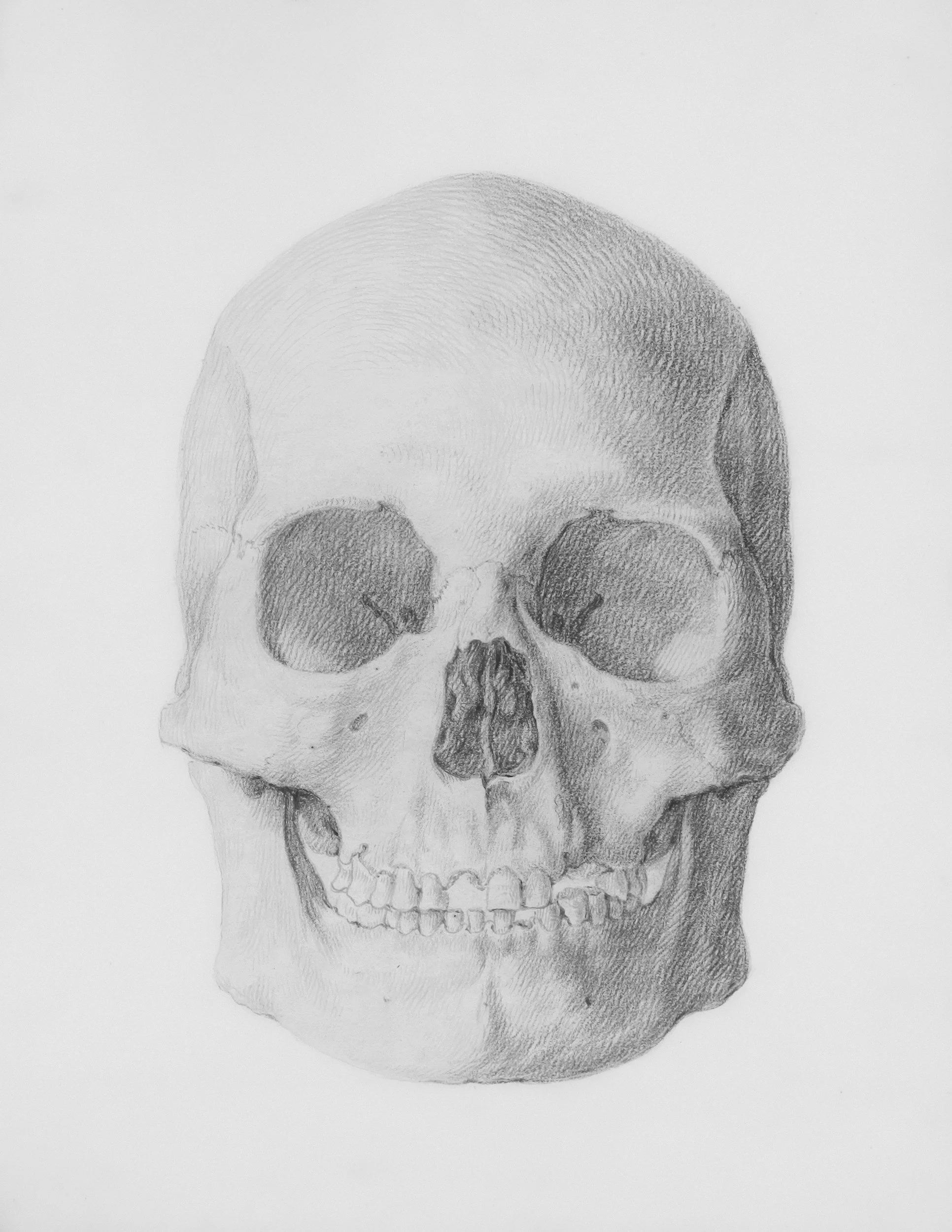
The eyes are not isolated sensory organs. They are direct extensions of the brain, formed from neural tissue and wired intimately into central processing systems. Visual information enters the body through light striking the retina, where photoreceptor cells convert photons into electrical signals. These signals travel along the optic nerves, cross at the optic chiasm, and are distributed to multiple brain regions responsible for visual interpretation, spatial orientation, circadian rhythm, and autonomic regulation.
Each eye is supported by a complex network of muscles that coordinate focus, convergence, and tracking. These ocular muscles respond instantly to shifts in attention, emotional state, and perceived threat. Subtle imbalances in eye movement or alignment can influence posture, balance, neck tension, and cognitive fatigue, revealing how deeply vision is tied to whole-body regulation. The eyes are constantly adjusting, scanning, narrowing, and widening in response to environmental demand.
Vision is not a passive process. The brain selects what the eyes are allowed to see. Sensory input is filtered through memory, expectation, and nervous system state before it reaches conscious awareness. When the system feels safe, vision softens, peripheral awareness expands, and perception becomes flexible. When vigilance dominates, the visual field narrows, muscles tighten, and attention locks onto threat or detail at the expense of context.
The eyes also play a critical role in regulating biological rhythm. Light exposure influences the hypothalamus and pineal gland, shaping circadian timing, sleep-wake cycles, hormone production, and mood stability. In this way, what the eyes receive directly alters physiology. Prolonged artificial light, excessive screen exposure, or visual overstimulation can disrupt these rhythms, leading to fatigue, irritability, and perceptual strain.
Functionally, the eyes determine how the body meets the world. They orient the body in space, guide movement, and establish relational cues through gaze and eye contact. The eyes signal safety, curiosity, avoidance, or dominance long before words are spoken. When visual processing is balanced, the body moves with confidence and clarity. When strained, symptoms such as eye fatigue, headaches, light sensitivity, and difficulty concentrating emerge as the system attempts to manage overload.
Common Ailments of the Eyes and how to bring healing to them
-
Eye fatigue arises from prolonged near-focus, excessive screen exposure, artificial lighting, and sustained cognitive demand. Physically, the ocular muscles remain contracted for extended periods, reducing circulation and impairing tear production.
Energetic Meaning: The Seer has been asked to focus without rest. Perception narrows to manage demand, sacrificing ease for endurance.
Healing Tools:
Physical: Frequent distance-gazing breaks, blinking practices, reduced screen brightness, and mineral-rich hydration to support ocular tissues.
Herbal: Bilberry for retinal circulation, eyebright for ocular tone, chrysanthemum flower for cooling visual strain, and schisandra for endurance.
Energetic: Widen the visual field intentionally, allowing peripheral awareness to return.
Ritual: Several times a day, look at the farthest visible point and soften your gaze for one full minute.
-
Dryness and irritation reflect impaired tear production, environmental stress, hormonal shifts, or systemic dehydration. Inflammation of the ocular surface increases sensitivity and discomfort.
Energetic Meaning: Perception has lost lubrication. The system is observing without softness or emotional moisture.
Healing Tools:
Physical: Adequate hydration, omega-rich nourishment, humidified air, and gentle eye hygiene.
Herbal: Marshmallow root for tissue moisture, calendula for inflammation, fennel for gentle cooling, and eyebright for surface support.
Energetic: Soften effort. Allow the eyes to receive without scanning or evaluating.
Ritual: Rest closed eyes under warm palms, letting heat restore fluidity.
-
Intermittent blur or focus instability may reflect ocular muscle fatigue, blood sugar fluctuations, or nervous system strain. Vision shifts as the system attempts to conserve energy.
Energetic Meaning: The system is refusing precision. Clarity is being withheld until conditions feel safer or slower.
Healing Tools:
Physical: Stabilize blood sugar, reduce visual multitasking, and practice gentle focus transitions.
Herbal: Gotu kola for microcirculation, ginkgo for visual clarity, rosemary for neural tone, and bilberry for retinal support.
Energetic: Alternate near and far focus without forcing either.
Ritual: Let vision blur intentionally at times, reminding the system it does not need to be sharp constantly.
-
Sensitivity to light reflects overstimulation of visual pathways, often compounded by nervous system overactivation or circadian disruption.
Energetic Meaning: Too much is being taken in. The eyes constrict to protect the nervous system.
Healing Tools:
Physical: Gradual light exposure, reduction of harsh artificial lighting, and restoration of circadian rhythm through natural daylight.
Herbal: Chrysanthemum for heat and sensitivity, skullcap for neural calming, lemon balm for sensory buffering, and reishi for resilience.
Energetic: Invite darkness in small doses. Let the eyes rest without guilt.
Ritual: Sit with eyes closed at dusk, allowing the system to transition naturally.
-
Involuntary twitching reflects neuromuscular fatigue, mineral depletion, or prolonged vigilance. The muscles discharge excess activation through small, repetitive movement. (Heavy Metals and other toxins can cause this pattern as well)
Energetic Meaning: Unreleased alert energy is attempting to move. The system has not fully stood down.
Healing Tools:
Physical: Magnesium repletion, adequate rest, and reduction of stimulants.
Herbal: Skullcap for neuromuscular calming, passionflower for overactivation, and milky oat tops for nerve nourishment.
Energetic: Direct attention downward into the body, away from the eyes.
Ritual: Place one hand on the lower belly and breathe until twitching subsides
-
Pressure or pain behind the eyes often reflects visual strain, sinus congestion, or vascular tension associated with sustained focus.
Energetic Meaning: Vision is being forced. The system is holding perception instead of allowing it.
Healing Tools:
Physical: Sinus drainage support, hydration, and release of jaw and neck tension.
Herbal: Peppermint for pressure relief, feverfew for headache patterns, eyebright for ocular tension, and rosemary for circulation.
Energetic: Soften the gaze rather than narrowing it.
Ritual: Close the eyes and imagine vision spreading outward rather than forward.
-
Difficulty seeing in low light or general visual dullness may reflect nutrient depletion, circulatory strain, or chronic overstimulation.
Energetic Meaning: The system has adapted to brightness and struggle, losing sensitivity to subtle input.
Healing Tools:
Physical: Support vitamin A and zinc status, prioritize darkness during sleep, and reduce nighttime light exposure.
Herbal: Bilberry for low-light vision, nettle for mineral support, and schisandra for adaptive sensitivity.
Energetic: Reacquaint the eyes with darkness as a place of safety.
Ritual: Spend time outdoors at twilight, allowing vision to adjust naturally.

The THE PITUITARY GLAND:
The Translator Between Perception, Timing, and Embodiment
Element: Aether
Chakra: Third Eye (primary), Crown (secondary)
Primary Meridians: Governing Vessel, Kidney
Emotional Archetype: The Interpreter, The One Who Turns Knowing into Action
Anatomy & Function
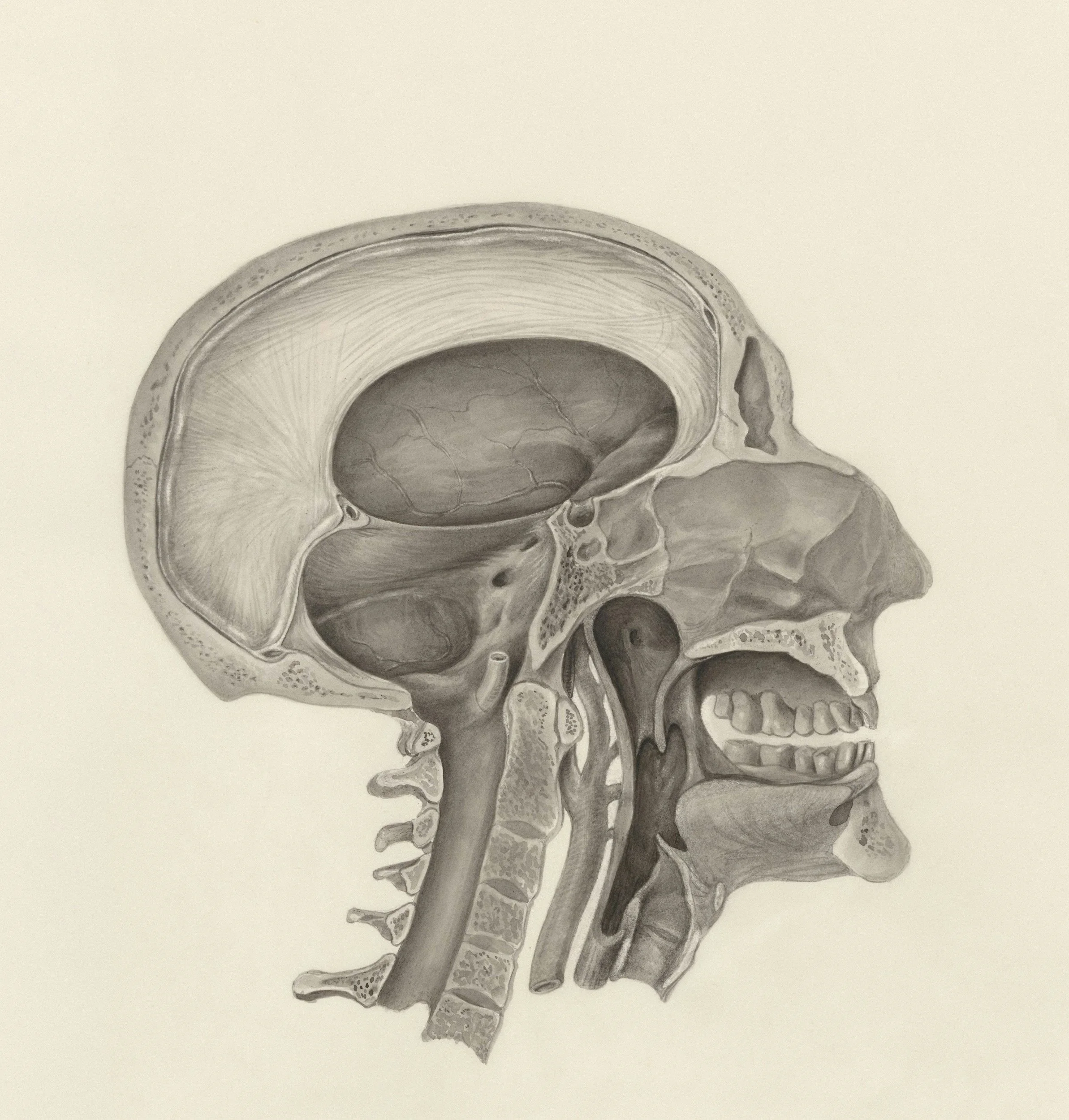
The pituitary gland is a small but powerful structure seated at the base of the brain within the sella turcica. Though often referred to as the “master gland,” its true function is not command but translation. The pituitary serves as the primary interface between the nervous system and the endocrine system, converting perception, timing cues, and internal state into hormonal instruction that guides growth, metabolism, reproduction, stress response, and circadian rhythm.
Functionally, the pituitary operates as a relay. It receives continuous input from the hypothalamus, which integrates sensory information, emotional state, and environmental signals such as light and temperature. The pituitary then translates this information into endocrine messages that direct downstream glands, including the thyroid, adrenals, and gonads. In this way, perception is not merely experienced but embodied. What the body senses becomes chemistry.
The anterior pituitary governs longer-term patterning. Its hormones influence developmental timing, metabolic rate, reproductive signaling, and adaptive stress response. These outputs shape how quickly or slowly the body moves through phases of growth, exertion, and recovery. The posterior pituitary regulates more immediate states, releasing oxytocin and vasopressin to influence bonding, trust, fluid balance, and autonomic stability. Together, these functions allow the body to coordinate effort with connection, action with cohesion
Because of its position at the crossroads of perception and physiology, the pituitary is highly sensitive to rhythm. Light exposure, sleep quality, emotional load, stress patterns, and nutritional sufficiency all influence its signaling. When perception is chronically strained or vigilance becomes the default state, pituitary output can become inconsistent. Signals may arrive too early, too late, or out of sequence, creating systemic symptoms that appear diffuse rather than localized.
When the pituitary is regulated, the body experiences timing as trustworthy. Energy rises and falls in rhythm, hormonal communication remains coherent, and physiological processes unfold without force. When strained, the body loses its sense of pace. Fatigue, mood instability, reproductive disruption, or altered stress tolerance often emerge as reflections of disrupted translation rather than glandular failure.
COMMON AILMENTS OF THE Pituitary Gland AND HOW TO BRING HEALING TO THEM
-
Diffuse symptoms such as fatigue, mood instability, cycle irregularity, temperature sensitivity, or inconsistent stress tolerance often reflect pituitary signaling issues rather than failure of downstream glands. The body receives mixed or mistimed hormonal instructions.
Energetic Meaning: Translation has become distorted. The body is receiving messages, but not in the correct sequence or rhythm.
Healing Tools:
Physical: Restore circadian rhythm through consistent sleep-wake timing, morning light exposure, stable nourishment, and reduction of nighttime stimulation.
Herbal: Vitex to support pituitary-gonadal signaling, schisandra for adaptive rhythm, reishi for long-term endocrine coherence, and holy basil for stress buffering.
Energetic: Reinforce rhythmic safety. Consistency matters more than intensity.
Ritual: Anchor daily routines at the same time each day to restore trust in timing.
-
Persistent exhaustion, slow recovery from stress, or feeling easily overwhelmed often arise when pituitary-adrenal communication is strained. Signals to mobilize or rest become blunted or delayed.
Energetic Meaning: The Interpreter has lost confidence in pacing. The body no longer trusts when to act and when to recover.
Healing Tools:
Physical: Reduce overexertion, stabilize blood sugar, and prioritize true rest rather than collapse.
Herbal: Ashwagandha for stress modulation, rhodiola for adaptive capacity, licorice root (with care) for adrenal support, and reishi for resilience.
Energetic: Emphasize restoration over productivity.
Ritual: Schedule non-negotiable recovery time without justification.
-
Difficulty falling asleep, waking unrefreshed, or feeling “out of phase” with the day often reflects pituitary and hypothalamic timing disruption, frequently driven by light imbalance or chronic vigilance.
Energetic Meaning: The body has lost its internal clock. External demand has overridden natural rhythm.
Healing Tools:
Physical: Morning sunlight, reduced evening light exposure, and consistent sleep timing.
Herbal: Passionflower for sleep initiation, skullcap for nervous system settling, valerian (short-term) for rhythm reset, and tart cherry for circadian support.
Energetic: Signal safety at night through darkness and stillness.
Ritual: Create a predictable evening ritual that marks the end of effort.
-
Irregular cycles, fertility challenges, libido shifts, or delayed or accelerated developmental patterns may reflect pituitary signaling disruption rather than isolated reproductive organ dysfunction.
Energetic Meaning: Timing around creation and maturation has been interfered with. The body does not feel resourced or supported enough to unfold naturally.
Healing Tools:
Physical: Adequate nourishment, reduction of endocrine disruptors, and restoration of metabolic stability.
Herbal: Vitex for cycle regulation, maca for endocrine nourishment, shatavari for reproductive rhythm, and nettle for mineral support.
Energetic: Remove pressure around outcome. Creation follows safety. This is a BIG ONE
Ritual: Reclaim patience. Allow the body to set its own tempo.
-
Difficulty accessing pleasure, connection, or emotional warmth may reflect dysregulation of oxytocin and vasopressin signaling through the posterior pituitary.
Energetic Meaning: Connection has become unsafe or deprioritized. Chemistry follows perception.
Healing Tools:
Physical: Gentle touch, safe social contact, and somatic practices that restore bodily presence.
Herbal: Rose for heart-endocrine connection, cacao in small doses for bonding chemistry, hawthorn for emotional steadiness, and damiana for vitality.
Energetic: Restore relational safety internally before seeking it externally.
Ritual: Practice receiving care without reciprocation.
-
When multiple systems appear out of sync simultaneously, the pituitary is often struggling to integrate competing inputs from perception, stress, and environment.
Energetic Meaning: Too many signals are arriving at once. The Interpreter is overwhelmed.
Healing Tools:
Physical: Simplify inputs. Reduce multitasking, overstimulation, and chronic decision-making.
Herbal: Gotu kola for integration, bacopa for cognitive-endocrine coherence, reishi for system-wide regulation, and lemon balm for calming overload.
Energetic: Reduce signal volume before seeking clarity.
Ritual: Create spaciousness. Integration requires room.


THE PINEAL GLAND:
The Keeper of Inner Light, Rhythm, and Temporal Orientation
Element: Light (Primary), Aether (Secondary)
Chakra: Crown (primary), Third Eye (secondary)
Primary Meridians: Governing Vessel, Heart
Emotional Archetype: The Timekeeper, The One Who Remembers the Rhythm
Anatomy & Function
The pineal gland is a small, pinecone-shaped structure located deep in the center of the brain, nestled between the two hemispheres near the third ventricle. Though modest in size, it plays a pivotal role in regulating the body’s relationship to light, time, and rhythm. Its primary function is the production and regulation of melatonin, the hormone responsible for circadian timing, sleep-wake cycles, and seasonal biological patterns.
The pineal gland receives direct information about light exposure through neural pathways connected to the eyes and hypothalamus. Unlike most sensory input, light information influencing the pineal bypasses conscious interpretation. This allows the gland to respond directly to environmental cues, adjusting internal timing without requiring thought or decision. Through this mechanism, the pineal synchronizes the body’s internal clock with the external world.
Functionally, the pineal governs transitions. It signals when to rest, when to repair, and when to withdraw from external engagement. Melatonin production influences immune regulation, cellular repair, hormonal balance, and neurological recovery. Disruption of pineal signaling affects not only sleep quality but mood stability, metabolic rhythm, and stress tolerance. When circadian timing is disturbed, the body loses its sense of night and day, effort and rest.
The pineal also interfaces closely with the pituitary and hypothalamus, forming a triad that coordinates perception, endocrine output, and biological timing. Where the pituitary translates signals into action, the pineal establishes the temporal framework within which those actions make sense. Without clear timing, hormonal instruction becomes disordered, and physiological processes lose coherence.
Because of its sensitivity to light, the pineal is particularly affected by artificial illumination, screen exposure, irregular sleep schedules, and chronic overstimulation. Excessive nighttime light suppresses melatonin production, while insufficient daylight exposure weakens circadian entrainment. Over time, this disrupts not only sleep but the body’s deeper capacity to orient itself in time.
When the pineal is regulated, the body experiences night as restorative and day as energizing. Sleep becomes a place of integration rather than collapse. Intuition sharpens not through effort, but through rhythm. When strained, the system feels untethered, fatigued, or out of phase, as though time itself has become unreliable.
COMMON AILMENTS OF THE Pineal Gland AND HOW TO BRING HEALING
-
Difficulty falling asleep, frequent waking, non-restorative sleep, or feeling “out of phase” with the day often reflects impaired melatonin signaling rather than simple sleep hygiene failure.
Energetic Meaning: The Timekeeper has lost reliable reference points. The body no longer trusts when to rest or repair.
Healing Tools:
Physical: Consistent sleep and wake times, morning sunlight exposure, reduction of artificial light after sunset, and true darkness at night.
Herbal: Passionflower for sleep initiation, skullcap for nervous system settling, lemon balm for circadian calming, and tart cherry for melatonin support.
Energetic: Reinforce night as a safe descent rather than collapse.
Ritual: Create a fixed evening closing practice that signals effort is complete.
-
Persistent exhaustion even with sufficient sleep often reflects circadian misalignment. The body rests at the wrong times or repairs inefficiently.
Energetic Meaning: Rest is occurring without rhythm. Recovery lacks timing.
Healing Tools:
Physical: Align activity with daylight, reduce late-night stimulation, and prioritize recovery windows earlier in the night.
Herbal: Reishi for deep restorative sleep, ashwagandha for stress-circadian buffering, schisandra for adaptive rhythm, and gotu kola for neurological recovery.
Energetic: Restore trust in cycles rather than pushing through fatigue.
Ritual: Honor consistent rest even when productivity resists it.
-
Seasonal low mood, irritability, or emotional flattening often reflect pineal sensitivity to light deprivation or excess.
Energetic Meaning: The system is losing its seasonal orientation. Inner rhythm no longer matches the environment.
Healing Tools:
Physical: Daylight exposure, especially in the morning, and gentle seasonal adjustments to activity and nourishment.
Herbal: St. John’s wort for light-related mood shifts, rhodiola for seasonal resilience, and holy basil for emotional steadiness.
Energetic: Allow energy to change with the season instead of resisting it.
Ritual: Mark seasonal transitions consciously.
-
Light sleep, minimal dreaming, or feeling mentally active at night reflects incomplete disengagement from waking perception.
Energetic Meaning: The inner light has not dimmed. Awareness remains outward when it needs to turn inward.
Healing Tools:
Physical: Reduce nighttime cognitive stimulation, stabilize blood sugar, and support mineral balance.
Herbal: Blue vervain for mental overactivity, valerian (short-term) for depth of rest, mugwort for dream reentry, and skullcap for neural quieting.
Energetic: Invite inward orientation rather than forcing sleep.
Ritual: Sit in darkness before bed without input, allowing perception to soften.
-
A persistent sense of rushing, lagging, or being out of sync with life often reflects pineal-hypothalamic strain.
Energetic Meaning: Internal time has fragmented. The body no longer trusts its own pacing.
Healing Tools:
Physical: Simplify schedules, reduce multitasking, and reintroduce predictable daily anchors.
Herbal: Bacopa for temporal integration, gotu kola for coherence, reishi for long-term rhythm restoration, and lemon balm for calming urgency.
Energetic: Slow perception before slowing action.
Ritual: Choose one daily activity to do unhurried, regardless of outcome.
-
Inability to disengage, racing thoughts at night, or reliance on external sedatives reflects pineal suppression by excessive input. Very common in complex trauma histories. I se it often in CPTSD clients
Energetic Meaning: Stillness feels unsafe or inaccessible.
Healing Tools:
Physical: Reduce screen exposure, especially blue light, and create sensory quiet in the evening.
Herbal: Passionflower for overstimulation, skullcap for neural quieting, chamomile for parasympathetic support, and magnesium-rich plant allies.
Energetic: Allow darkness to be restorative rather than empty.
Ritual: Sit in low light at dusk and let the day dissolve gradually.
A Deep Shamanic Understanding of the Pineal Gland
-
In shamanic medicine, the pineal gland is not a gland at all. It is a temporal eye. A regulator of inner light. A keeper of rhythm between worlds. Where the pituitary translates perception into chemistry, the pineal establishes when perception is allowed to arrive. It governs not what is known, but the conditions under which knowing is possible.
Across ancient traditions, the pineal was understood as a light receiver, not metaphorically, but functionally. Long before artificial illumination, the human nervous system evolved in intimate dialogue with the sun, the moon, and the stars. The pineal emerged as the organ that synchronized internal life with cosmic rhythm. Day and night, season and cycle, waking and dreaming were not separate states but phases of a single continuum. The pineal held that continuum intact.
Hermetic principle teaches that time is not linear but rhythmic. Everything moves in cycles of expansion and contraction, illumination and darkness. The pineal is the bodily expression of this law. It ensures that growth occurs in daylight, repair occurs in darkness, and wisdom emerges in stillness. When rhythm is honored, coherence follows. When rhythm is violated, fragmentation begins.
In Vedic understanding, the pineal corresponds to Ajna and Sahasrara as a bridge, not a throne. It does not generate insight. It clears the field so insight may descend. True knowing is not forced upward through effort or concentration. It arrives downward when the system is quiet, aligned, and receptive. This is why darkness, sleep, and dream were considered sacred technologies rather than passive states.
Shamanic cultures recognized that excessive light fractures inner vision. Fire without night burns the field. Constant illumination dissolves mystery, and mystery is required for wisdom. The pineal regulates this balance. When it is suppressed through overstimulation, artificial light, relentless cognition, or refusal of rest, inner time collapses. The body loses its sense of when to act, when to withdraw, when to listen, and when to speak.
Energetically, the pineal governs threshold states. Dreaming. Trance. Vision. Deep rest. These are not escapes from reality but gateways to pattern recognition. In these states, the nervous system loosens its grip on linear interpretation, allowing information to reorganize. This is where ancestral memory, intuition, and symbolic knowing emerge. Not because the pineal creates them, but because it removes interference.
In shamanic illness, pineal dysfunction often appears as loss of timing rather than loss of insight. The individual may feel perpetually rushed or perpetually behind. Exhausted yet unable to rest. Alert yet unable to focus. Disconnected from natural cycles. This is not a failure of discipline or will. It is a temporal injury. The inner clock has been overridden by external demand.
Hermetically, this is the violation of correspondence. Inner time no longer mirrors outer time. The body is awake when it should be inward. Productive when it should be reflective. Silent when it should be expressive. The pineal suffers not because it is weak, but because it has been denied darkness, silence, and trust.
In true shamanic repair, the pineal is not activated or stimulated. It is protected. Darkness is restored. Rhythm is reintroduced. Stillness is reclaimed as a source of intelligence rather than absence. Over time, the gland remembers its function. Melatonin rises not as a sedative, but as a signal of safety. Dreams return. Rest deepens. Intuition sharpens without effort.
The pineal teaches a central truth of energy medicine:
Wisdom does not arrive through force….It arrives through timing.
The pineal is not the eye that sees everything. It is the eye that knows when to open.
When this gland is honored, the body remembers how to move in harmony with life rather than against it. Consciousness descends naturally. Insight becomes embodied. And the night once again becomes a place of healing, not avoidance.