
The Manipura System
Oracle Medicine Atlas
Understanding ailments of the Stomach, Small Intestine, Large intestine (colon), Pancreas, Liver, Gallbladder and Spleen
THE MANIPURA REALM: Inner FIRE, POWER, AND DIGESTION
The Manipura realm is the crucible of the body, the place where life is broken down, refined, and converted into usable force. Here, matter becomes energy. Experience becomes meaning. This is where the body decides what it can hold, what it must transform, and what it is ready to release. The stomach, intestines, liver, gallbladder, pancreas, colon, and spleen form a living furnace of intelligence, a metabolic altar where nourishment, will, and identity are forged through heat, timing, and discernment. Nothing passes through this realm unchanged.
This region governs digestion on every level. The stomach initiates the work of fire, determining what is allowed entry and how it will be met. The intestines separate essence from excess, drawing nourishment from what can be integrated and preparing the rest for release. The liver surveys the terrain, planning, detoxifying, and directing movement with quiet authority, while the gallbladder carries out decisions with clarity or hesitation. The pancreas modulates energy and rhythm, responding to stress, safety, and availability, while the colon completes the cycle, sealing experience and declaring when something is finished. The spleen gathers what remains and asks a final question: was this nourishing enough to build strength?
The Manipura body holds the memory of power. It remembers moments when choice was denied, when anger was swallowed, when responsibility arrived too early or support came too late. Suppressed fire does not disappear here; it calcifies into tension, inflammation, dysregulation, and fatigue. Excess fire burns the tissues of trust, creating urgency, control, and depletion. When this realm is wounded, digestion becomes labored, blood sugar becomes unstable, and the will fractures under the weight of unfinished decisions. When it is balanced, confidence arises quietly, energy becomes steady, and the body knows how to take in life without bracing.
To work with the Manipura realm is not to force change, but to restore intelligent fire. This is the practice of refining digestion, strengthening discernment, and reclaiming the right to choose one’s pace, boundaries, and direction. When this system is coherent, nourishment becomes reliable, power becomes embodied rather than performative, and release happens without collapse. Manipura teaches that true strength is not aggression or endurance, but the ability to metabolize life fully and stand rooted in one’s own inner authority.

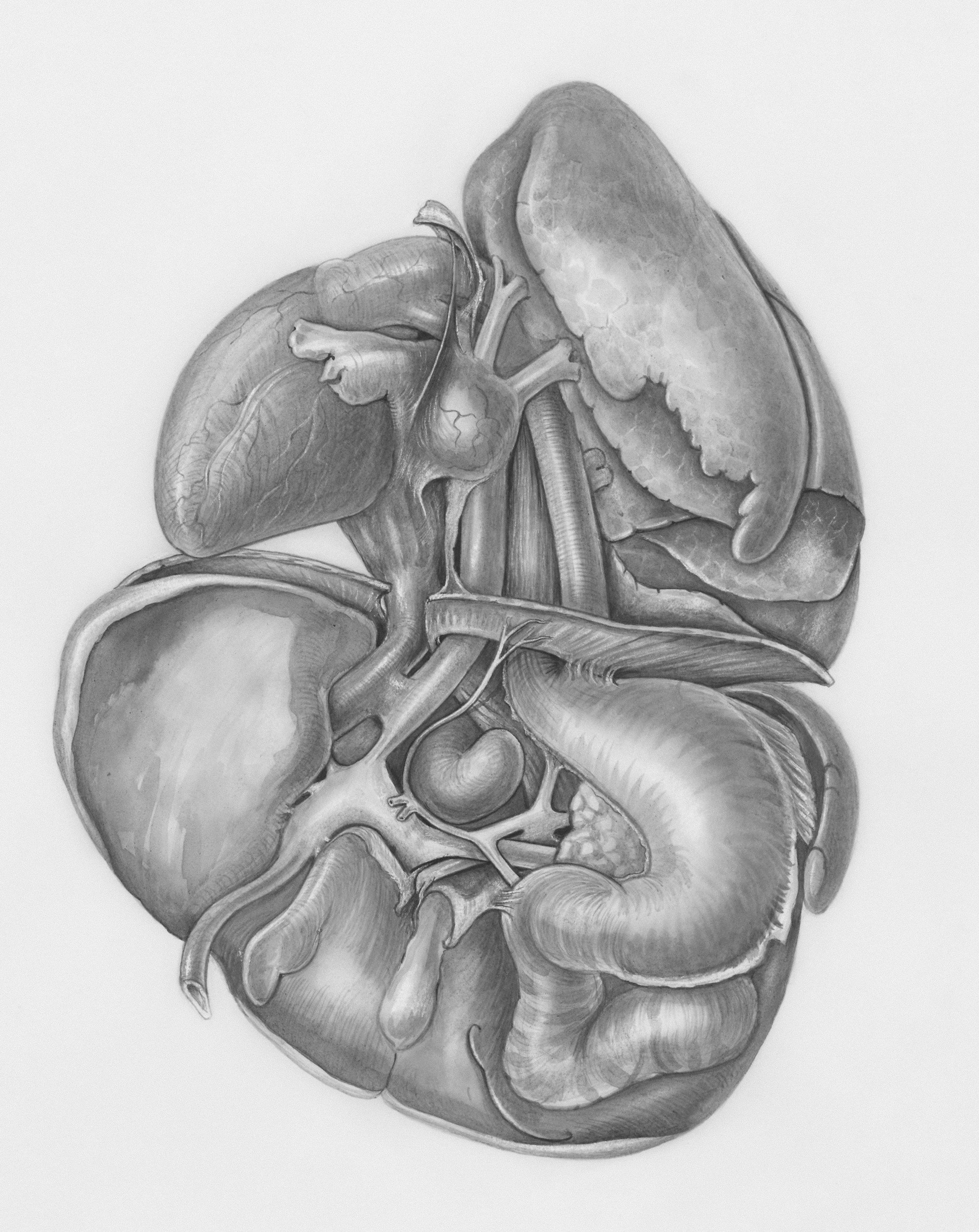
Anatomy & Function
The Manipura system is the body’s primary center of digestion, metabolism, detoxification, and energetic discernment. It governs how raw material is received, broken down, transformed, distributed, and ultimately released. The organs of this realm work in constant coordination to convert food, experience, and stimulus into usable energy, structural nourishment, and informed action. This system does not simply sustain life. It determines how effectively life is metabolized.
The stomach serves as the initiatory chamber of digestion, where mechanical and chemical processes begin the breakdown of food through gastric acid, enzymes, and muscular churning. Hydrochloric acid denatures proteins, activates pepsin, and sterilizes incoming material, creating the conditions necessary for assimilation downstream. Gastric emptying is tightly regulated by neural and hormonal signaling, responding to stress, safety, and nutritional composition. When stomach function is compromised, digestion falters at the very threshold, affecting mineral absorption, microbial balance, and metabolic signaling throughout the entire system.
The small intestine is the primary site of nutrient absorption and immune intelligence. Its vast surface area, formed by villi and microvilli, allows for the transfer of amino acids, fatty acids, vitamins, and minerals into circulation. The intestinal lining also functions as a selective barrier, discerning what is allowed into the body and what must be neutralized or expelled. Enteric neurons embedded in the intestinal wall form an independent nervous network that communicates continuously with the brain, integrating digestion with emotional state, stress response, and autonomic regulation.
The large intestine, or colon, completes the digestive process by reclaiming water, electrolytes, and short-chain fatty acids while compacting waste for elimination. It houses a dense and diverse microbial ecosystem that plays a critical role in immune signaling, neurotransmitter production, and inflammatory regulation. The colon reflects patterns of holding and release, responding dynamically to nervous system tone, hydration, circadian rhythm, and emotional state. Efficient colonic function allows completion without urgency or stagnation, signaling coherence between digestion, elimination, and regulation.
The pancreas functions as both a digestive and endocrine organ, bridging metabolism with blood sugar regulation. Its exocrine role involves the secretion of enzymes that break down fats, proteins, and carbohydrates within the small intestine. Endocrine cells within the pancreas release insulin, glucagon, and somatostatin, maintaining glucose availability in response to feeding, fasting, and stress. This precise hormonal orchestration ensures stable energy delivery to tissues and the brain, allowing the body to respond to demand without collapse or excess.
The liver is the central metabolic hub of the body, responsible for detoxification, nutrient processing, hormone metabolism, and glycogen storage. Blood arriving from the digestive tract is filtered and transformed through hepatic pathways that regulate cholesterol, bile production, protein synthesis, and inflammatory mediators. The liver also plays a critical role in processing chemical, microbial, and emotional stressors, adapting metabolism to environmental demands. Its function reflects the body’s capacity for adaptation, planning, and directional movement.
The gallbladder and bile ducts coordinate the storage, concentration, and timed release of bile into the digestive tract. Bile emulsifies dietary fats, enabling absorption of fat-soluble vitamins and efficient lipid metabolism. Gallbladder contraction is stimulated by hormonal and neural signals in response to fat intake, linking digestion to decisiveness and timing. When bile flow is restricted or dysregulated, digestion becomes incomplete and metabolic signaling is impaired, often manifesting as stagnation, inflammation, or intolerance to richness.
The spleen serves as a critical interface between digestion, immunity, and circulation. In Western physiology, it filters blood, recycles red blood cells, and supports immune surveillance. From an energetic and integrative perspective, the spleen governs nourishment assimilation, blood building, and stability. It reflects the body’s ability to receive support, extract vitality, and maintain structural resilience. When spleen function is compromised, fatigue, weakness, and mental fog often arise, signaling insufficient integration despite adequate intake.
Together, the organs of the Manipura system form a living continuum of transformation. Intake becomes discernment. Digestion becomes direction. Nourishment becomes power. When this system functions coherently, energy is steady, elimination is complete, and the body responds to life with clarity rather than reactivity. This is the physiology of embodied authority, where fire is regulated, resources are trusted, and strength is built from within rather than forced from without.
When The Manipura Speaks
The Manipura system is the body’s seat of power, discernment, and metabolic truth. When digestion, blood sugar regulation, or elimination becomes strained, it often reflects a deeper disruption in timing, boundaries, or the ability to process experience without force or collapse. Symptoms arising here can be read both physiologically and energetically, offering insight into how the body metabolizes stress, choice, responsibility, and self-direction.

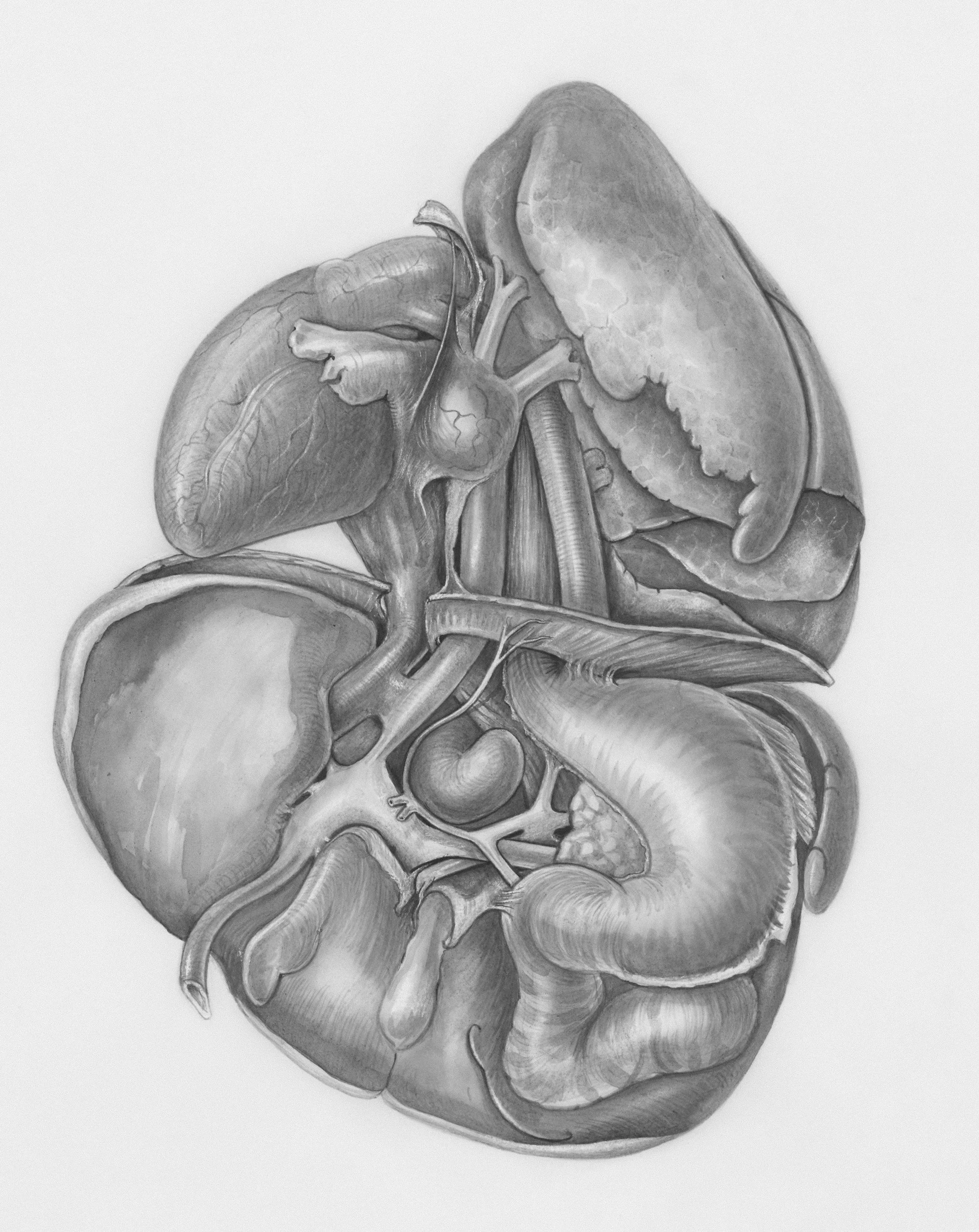
The Stomach:
The gateway of intake and Discerment
Element: Fire (with Earth as its stabilizing partner)
Chakra: Solar Plexus (primary), Root (secondary)
Primary Meridian: Stomach
Emotional Archetype: The Initiator, The One Who Decides What Is Allowed In
Anatomy and Function:
The stomach is the body’s primary chamber of initiation, where ingestion becomes digestion and choice becomes chemistry. Anatomically, it is a muscular, hollow organ that receives food from the esophagus and begins the process of breakdown through coordinated mechanical churning and chemical secretion. Gastric glands release hydrochloric acid, intrinsic factor, and digestive enzymes that denature proteins, activate pepsin, and create an acidic environment essential for mineral absorption and microbial regulation. This acidic terrain is not harsh by nature. It is precise, protective, and intelligent. Stomach motility and secretion are regulated by the autonomic nervous system and hormonal signaling, making this organ highly sensitive to stress, safety, timing, and emotional state. Adequate stomach acid is required to signal downstream organs including the pancreas, gallbladder, and small intestine, coordinating the entire digestive cascade. When gastric function is compromised, digestion becomes incomplete at the very first step, often leading to malabsorption, dysbiosis, inflammation, and metabolic instability throughout the system.
Energetically, the stomach governs intake on all levels. It reflects the body’s relationship with nourishment, trust, and boundaries, determining not only how food is received, but how experience is metabolized. When the stomach is regulated, hunger and satiety are clear, digestion is steady, and the body knows when it has had enough. When it is strained, signals become distorted, manifesting as bloating, reflux, nausea, appetite dysregulation, or a sense of being overwhelmed by life itself. The stomach teaches discernment at the threshold, reminding the body that strength begins with choosing what is allowed to enter and how it will be met.
Common Ailments of the Stomach and how to bring healing to them
-
Low stomach acid often presents as bloating, reflux, fullness after small meals, belching, nutrient deficiencies, or undigested food in the stool. Rather than excess acidity, this pattern reflects insufficient digestive fire and impaired signaling to downstream organs. It is commonly driven by chronic stress, slowed motility, aging, restrictive dieting, or prolonged acid suppression.
Healing Tools:
Physical: Eat in a calm, seated state without distraction. Chew thoroughly and allow adequate time between meals to restore digestive rhythm.
Herbal: Bitter herbs such as gentian, dandelion root, artichoke, and orange peel to stimulate gastric secretion.
Energetic: Support vagal tone through slow nasal breathing before meals, extending the exhale to signal safety.
Ritual: Place one hand over the upper abdomen before eating and state internally, “I allow nourishment to arrive with ease.”
-
Reflux often reflects dysregulation of gastric pressure, motility, and nervous system tone rather than true overproduction of acid. Stress, rushed eating, late meals, and weakened lower esophageal sphincter tone allow stomach contents to move upward, creating burning and discomfort.
Healing Tools
Physical: Avoid lying down immediately after meals. Support upright posture and gentle walking to encourage gastric emptying.
Herbal: Demulcent herbs such as slippery elm, marshmallow root, and licorice (DGL) to soothe and protect the mucosa.
Energetic: Gentle abdominal massage clockwise around the navel to restore downward flow.
Ritual: Sit upright after meals and visualize the digestive contents settling downward with gravity and ease.
-
Gastritis reflects irritation or erosion of the stomach’s protective mucosal layer, often triggered by infection, medications, alcohol, chronic stress, or unresolved emotional strain. Symptoms may include burning pain, nausea, tenderness, or food aversion.
Healing Tools:
Physical: Remove inflammatory irritants and emphasize warm, simple, easy-to-digest foods during healing phases.
Herbal: Aloe vera, chamomile, calendula, and plantain to support mucosal repair and calm inflammation.
Energetic: Reduce sympathetic dominance through daily nervous system regulation practices.
Ritual: Apply a warm compress to the upper abdomen while breathing slowly, inviting softness into the stomach space.
-
Nausea, loss of appetite, or erratic hunger signals often indicate disruption in gut-brain communication. These patterns commonly arise during emotional overwhelm, hormonal shifts, pregnancy, illness, or autonomic imbalance. I see this often in clients who are ready to address old traumas as well.
Healing Tools:
Physical: Stabilize blood sugar with regular meals and gentle nourishment rather than forcing intake.
Herbal: Ginger, peppermint, lemon balm, and fennel to support gastric motility and ease nausea.
Energetic: Gentle acupressure at PC-6 (inner wrist) to calm nausea and restore flow.
Ritual: Sip warm tea slowly while focusing attention on the sensation of warmth entering the body.
-
Chronic stomach tension reflects prolonged sympathetic activation, where digestion is deprioritized in favor of vigilance. This pattern may present as tightness, cramping, knots, or pain without clear structural cause. Many clients describe this as butterflies, or knots in the stomach, this is a presentation of stuck energy in this center.
Healing Tools:
Physical: Engage diaphragmatic breathing to reduce abdominal holding and restore parasympathetic tone.
Herbal: Nervine herbs such as skullcap, passionflower, and chamomile to calm stress-driven tension.
Energetic: Gentle hands-on contact to the solar plexus to signal safety and containment.
Ritual: Place both hands over the stomach and breathe slowly while repeating, “I am safe to digest my life.”
-
Bloating reflects impaired coordination between stomach secretion, motility, and downstream digestion. It may arise from low stomach acid, delayed gastric emptying, food intolerances, dysbiosis, or excessive air swallowing during stress. Energetically, bloating often mirrors unprocessed emotion or experience that has not yet been metabolized, creating a sense of fullness without nourishment.
Healing Tools:
Physical: Slow the pace of eating, reduce excessive fluid intake with meals, and prioritize warm, cooked foods that support digestive fire.
Herbal: Carminative herbs such as fennel, anise, cardamom, ginger, and peppermint to relieve gas and support motility.
Energetic: Gentle clockwise abdominal massage to encourage downward movement and release stagnation.
Ritual: After meals, rest one hand on the stomach and one on the heart, breathing slowly while affirming, “I digest what I take in with ease.”
-
Stomach ulcers involve erosion of the gastric lining, often associated with Helicobacter pylori infection, prolonged NSAID use, excessive acid exposure, or chronic stress. Symptoms may include burning pain, gnawing hunger, nausea, or discomfort that improves or worsens with food. Ulcers reflect a breakdown of protection at the threshold, where digestive fire turns corrosive rather than constructive.
Healing Tools:
Physical: Remove mucosal irritants and emphasize soft, non-inflammatory foods that reduce mechanical and chemical stress on the stomach.
Herbal: Demulcent and reparative herbs such as deglycyrrhizinated licorice (DGL), marshmallow root, slippery elm, and aloe vera to soothe and rebuild the lining.
Energetic: Cultivate internal safety by reducing urgency and allowing consistent rest between meals.
Ritual: Apply a warm compress to the upper abdomen daily while visualizing the stomach lining restoring itself with strength and integrity.
Shamanic Understanding of The Stomach
In the shamanic cosmology of the body, the stomach is the first fire. It is the inner sun where matter meets spirit and choice becomes chemistry. Long before nourishment becomes blood, muscle, or thought, it must pass through this crucible of discernment. The stomach does not merely digest food; it digests life. Every experience, every emotion, every unspoken moment of overwhelm or trust arrives here first, asking the same ancient question: Can this be received? When the stomach is strong, the body meets the world with clarity and sovereignty. When it is weakened, the body braces, defends, or collapses under the weight of what it has been asked to hold.
In Chinese medicine, the stomach is paired with the spleen and governs the transformation of food into qi and blood. It is the sea of nourishment, responsible for ripening and rotting, a sacred phrase that speaks to the necessity of breakdown before integration. The stomach receives what is raw and makes it workable, but it cannot do this without warmth, rhythm, and trust. Cold, both literal and emotional, extinguishes digestive fire. Excess worry knots it. Chronic vigilance tightens it. When stomach qi rebels, rising instead of descending, the body experiences nausea, reflux, and disorientation, reflecting a deeper inability to let life settle downward into the self.
From the Vedic perspective, the stomach is ruled by Agni, the sacred fire of transformation. Agni is not simply digestive heat; it is the intelligence that determines how clearly we perceive truth, how cleanly we burn through illusion, and how well we convert experience into wisdom. When Agni is balanced, hunger is honest, digestion is efficient, and the mind is sharp without aggression. When Agni is weak, life feels heavy and dull. When it is excessive, the body burns itself in impatience, inflammation, and self-attack. The stomach thus becomes the altar where balance is restored, where fire is tended rather than feared.
Energetically, the stomach sits at the lower edge of the solar plexus, forming a bridge between survival and sovereignty. It translates root-level safety into personal power. This is why early life experiences imprint so deeply here. Infancy, feeding, nourishment, maternal presence or absence, and the first experiences of trust or rupture are recorded in the tissues of the gut. The stomach remembers whether the world was safe to receive, whether hunger was met or ignored, whether needs were honored or burdensome. These memories do not live as stories, but as tone, tension, acid, and motility. The stomach becomes the keeper of the body’s original relationship with support.
From a vibrational medicine lens, the stomach is exquisitely sensitive to frequency. It responds immediately to stress fields, relational discord, environmental toxins, and emotional incoherence. When the field around the body is chaotic, digestion falters. When the field is regulated, digestion resumes without force. This is why shamanic (and religious) traditions across cultures emphasize ritual, prayer, rhythm, and presence around meals. Eating was never meant to be mechanical. It is a ceremony of reception. To eat without presence is to ask the stomach to do the work of discernment alone, without the support of consciousness.
In advanced shamanic understanding, the stomach is the gatekeeper of embodiment. It decides whether spirit can stay. When digestion is compromised, people feel ungrounded, anxious, fatigued, or disconnected from their own power. When digestion is restored, clarity returns, boundaries strengthen, and the body remembers how to inhabit itself fully. This is why gut health is not peripheral to healing. It is foundational. Without a functioning stomach fire, no herb assimilates properly, no supplement lands correctly, no spiritual insight anchors into tissue. Healing does not begin in the mind. It begins in the gut, at the fire where life is first welcomed or refused.
To tend the stomach is to tend the self at the most elemental level. It is to reclaim the right to receive nourishment without fear, to burn cleanly without destruction, and to stand rooted in the quiet confidence that the body knows how to transform what it is given. This is the medicine of the stomach: not force, not suppression, but intelligent fire held in reverence.

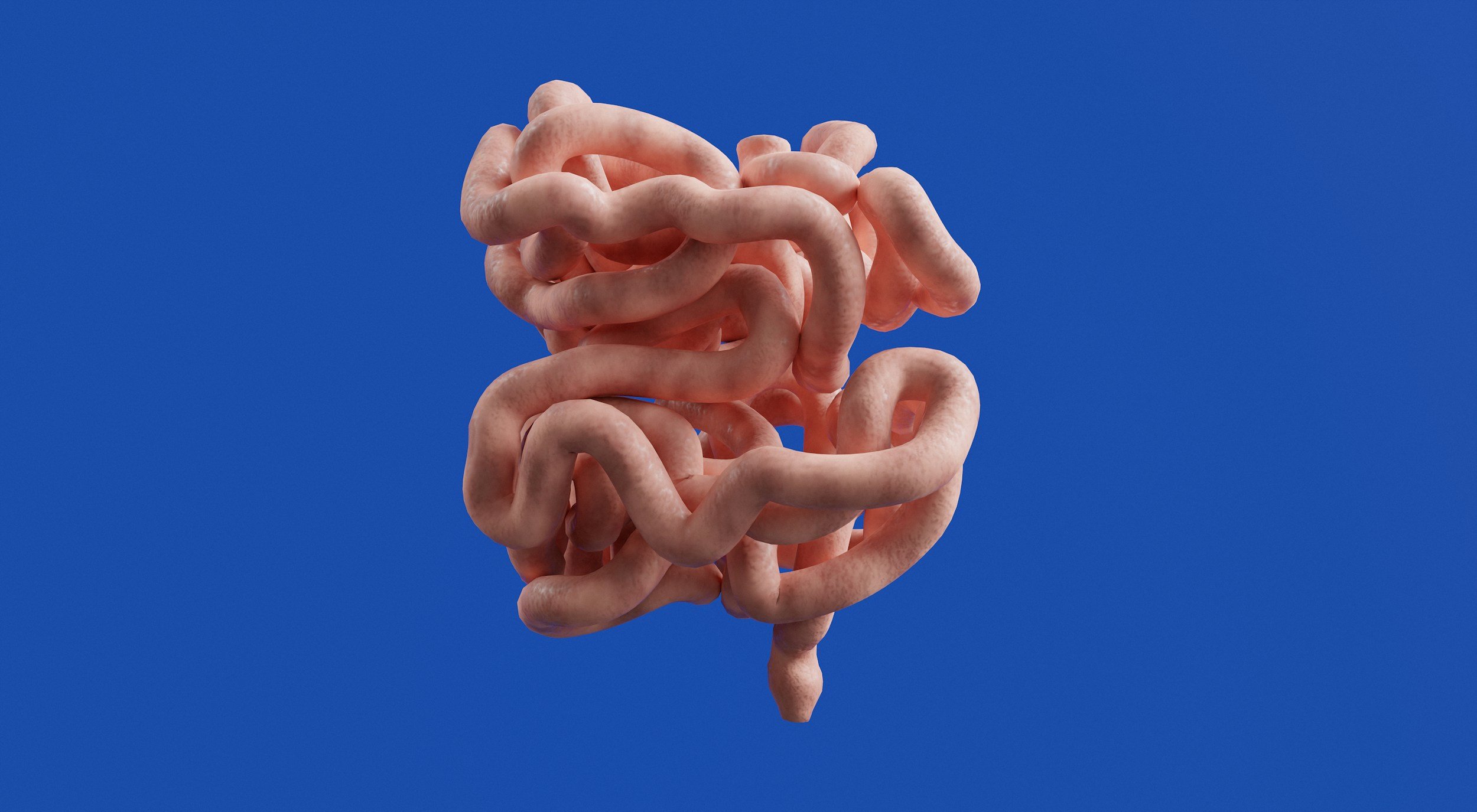
THE Duodenum & Small intestine :
Assimilation and Boundary Intelligence
Element: Fire moderated by Earth
Chakra: Solar Plexus (primary), Sacral (secondary)
Primary Meridians: Small Intestine, Stomach (functional relationship), Spleen (supportive)
Emotional Archetype: The Discerner, The Alchemist of Self
Anatomy and Function
The duodenum and small intestine together form the primary terrain of digestion, assimilation, and immune discernment. The duodenum, the first segment of the small intestine, acts as a critical coordination chamber where acidic chyme from the stomach is received, buffered, and integrated with pancreatic enzymes and bile. This region regulates pH balance, digestive enzyme activation, and the timing of downstream absorption. It is exquisitely sensitive to stress, inflammation, and disruption in gastric signaling, making it a frequent site of digestive dysfunction when the system is overwhelmed.
As digestion continues through the jejunum and ileum, the small intestine becomes the body’s principal site of nutrient absorption. Through an extensive surface area created by villi and microvilli, amino acids, fatty acids, sugars, vitamins, and minerals are transferred into circulation and lymphatic flow. This process is tightly regulated, requiring intact mucosal integrity, adequate enzyme activity, and precise nervous system signaling. The small intestine does not simply absorb indiscriminately. It selects, filters, and decides.
Embedded within the intestinal wall is the enteric nervous system, often referred to as the body’s second brain. This neural network operates semi-autonomously, continuously communicating with the central nervous system and adjusting digestion in response to stress, safety, emotional state, and circadian rhythm. The small intestine also houses a significant portion of the gut-associated lymphoid tissue, making it a central hub of immune intelligence. Here, the body learns tolerance, identifies threat, and maintains the delicate balance between defense and acceptance.
Physiologically, the duodenum and small intestine coordinate the work of the pancreas, liver, and gallbladder, ensuring that digestion proceeds in sequence rather than chaos. When this coordination is intact, assimilation is efficient and quiet, and the body feels nourished rather than burdened. When it is disrupted, symptoms such as bloating, inflammation, malabsorption, food sensitivities, and immune reactivity arise, reflecting breakdowns in discernment rather than simple digestive weakness.
Energetically, this system governs the ability to differentiate self from not-self. It reflects how experiences are interpreted, boundaries are maintained, and nourishment is allowed to become part of the body. When the duodenum and small intestine are regulated, clarity emerges, both physically and emotionally. When they are strained, the body may become reactive, hypervigilant, or intolerant, mirroring deeper patterns of overwhelm or unresolved stress. This realm teaches that true assimilation requires safety, timing, and trust, and that nourishment cannot be forced without consequence.
Common Ailments of the Small Intestine and how to bring healing to them
-
Duodenitis reflects inflammation at the precise junction where stomach acid meets bile and pancreatic enzymes. Physiologically, this often arises when chyme enters the duodenum too acidic, too rapidly, or without adequate buffering, irritating the mucosa and disrupting enzymatic coordination. This creates pain, burning, bloating, nausea, and downstream digestive dysfunction.
Energetically, duodenitis reflects pressure at the threshold of discernment. The body is being asked to process more than it can sequence. Experiences arrive too fast, without preparation or containment. The system burns not because there is too much fire, but because fire is arriving without rhythm.
Healing Tools:
Physical: Slow meal pacing, reduce stimulants, and support proper gastric emptying before focusing downstream.
Herbal: Slippery elm, marshmallow root, chamomile, calendula, and deglycyrrhizinated licorice (DGL) to soothe and repair the duodenal lining.
Energetic Practice: Before meals, place one hand on the upper abdomen and one on the lower ribs, breathing slowly until the belly softens and the breath naturally descends.
Ritual: Light a candle before the main meal of the day and consciously pause for three breaths, signaling to the body that digestion will proceed in sequence, not urgency.
-
Malabsorption occurs when nutrients pass through the small intestine without being properly assimilated, often due to enzyme insufficiency, villous damage, bile deficiency, or chronic inflammation. Clinically, this results in fatigue, nutrient deficiencies, weight loss, anemia, and weakness despite adequate intake.
Energetically, malabsorption reflects difficulty allowing nourishment to become self. The body takes in, but does not trust enough to integrate. This pattern often arises in those who learned early that support was inconsistent, conditional, or unsafe. Nourishment is touched, but not claimed. Deeply connected to Root Chakra Trauma
Healing Tools:
Physical: Support enzyme production, bile flow, and intestinal repair while simplifying food inputs.
Herbal: Gentian, dandelion root, artichoke leaf (bitters for absorption), along with plantain leaf and marshmallow root for mucosal repair.
Energetic Practice: Sit quietly after meals with both feet on the ground, visualizing nourishment moving from the gut into the limbs and tissues.
Ritual: Speak aloud after eating, “I receive what sustains me, and I allow it to become part of me.”
-
Increased intestinal permeability reflects breakdown of the tight junctions that regulate selective absorption. Physiologically, this allows antigens, toxins, and microbial fragments into circulation, triggering immune activation and systemic inflammation.
Energetically, this condition represents collapsed boundaries. The system cannot clearly distinguish self from not-self. Vigilance replaces discernment, and the body remains in a state of constant threat response. Leaky gut is one of the most common things I see in my practice.
Healing Tools:
Physical: Remove inflammatory triggers and focus on epithelial repair and immune modulation.
Herbal: Licorice (DGL), aloe vera, plantain, calendula, and marshmallow root to rebuild barrier integrity.
Energetic Practice: Daily grounding practice with hands placed on the lower abdomen, breathing until the sense of internal containment returns.
Ritual: Draw a small circle on the abdomen with oil before bed, affirming, “My boundaries are intact and intelligent.”
-
SIBO arises when bacteria colonize the small intestine due to impaired motility, weakened ileocecal valve function, or disrupted digestive sequencing. This leads to fermentation, gas, bloating, pain, and malabsorption.
Energetically, SIBO reflects looping and stagnation. Experiences are not moving forward. The body repeats what should have been completed. There is often a history of unresolved stress, vigilance, or fear that prevents progression. I see SIBO more and more often in young children due to stress
Healing Tools:
Physical: Restore migrating motor complex activity and digestive rhythm before aggressive antimicrobial approaches.
Herbal: Oregano, berberine-containing herbs (goldenseal, barberry), neem, and ginger, used cyclically and with precision.
Energetic Practice: Gentle twisting movements of the torso to encourage forward motion and release stagnation.
Ritual: Walk after meals while consciously affirming, “I move forward. What is finished continues on.”
-
Food sensitivities arise from immune reactivity rather than true allergy, often following inflammation, dysbiosis, or barrier compromise. Symptoms may shift over time and reflect immune confusion rather than permanent intolerance.
Energetically, this reflects hypervigilance. The body has learned to scan for threat everywhere, even within nourishment. Common with childhood traumas specifically around resources
Healing Tools:
Physical: Temporarily remove reactive foods while actively rebuilding tolerance rather than enforcing permanent restriction.
Herbal: Chamomile, nettle, turmeric, and licorice to calm immune overreaction.
Energetic Practice: Practice slow, mindful eating with attention on taste and texture rather than anticipation of reaction.
Ritual: Reintroduce foods ceremonially, one at a time, with intention rather than fear.
-
Crohn’s disease involves chronic, transmural inflammation of the small intestine, often affecting the terminal ileum. It reflects deep immune dysregulation, tissue injury, and systemic inflammatory signaling.
Energetically, Crohn’s represents fire turned inward. The body attacks itself in an attempt to protect. This pattern is often rooted in long-standing threat physiology, unresolved trauma, and chronic boundary violation. I see this often in my practice with clients that have experienced volatile family dynamics or physical traumas.
Healing Tools:
Physical: Reduce inflammatory load while supporting nutrient density and tissue repair.
Herbal: Boswellia, turmeric, calendula, plantain, and marshmallow root, chosen carefully and adjusted over time.
Energetic Practice: Somatic practices focused on containment, safety, and rest rather than activation.
Ritual: Daily self-holding practice, arms crossed over the abdomen, breathing slowly until tension softens.

The Large Intestine (colon):
The place of sovereign Boundaries, completion & release
Element: Metal
Chakra: Solar Plexus (primary), Root (secondary integration)
Primary Meridians: Large intestine
Emotional Archetype: The Releaser, The One who Knows when the cycle is complete
Anatomy and Function
The large intestine, commonly referred to as the colon, is the final organ of the digestive tract and the body’s primary system of completion and elimination. Anatomically, it extends from the cecum to the rectum and is responsible for reclaiming water and electrolytes, compacting waste, and preparing material for excretion. Through coordinated muscular contractions known as peristalsis, the colon moves contents forward with rhythm and restraint, allowing digestion to end without urgency or stagnation.
The colon houses a dense and diverse microbial ecosystem that plays a central role in immune regulation, inflammatory signaling, and metabolic byproduct formation. Beneficial bacteria ferment indigestible fibers into short-chain fatty acids that nourish the intestinal lining, support immune tolerance, and influence nervous system function. This microbial intelligence also participates in neurotransmitter production and circadian rhythm regulation, making colonic health inseparable from mood stability, immune resilience, and systemic regulation.
Physiologically, the colon responds directly to nervous system tone. Sympathetic dominance slows motility and dries the terrain, often contributing to constipation and stagnation. Parasympathetic activation restores rhythmic movement and coordinated release. Hydration status, mineral balance, bile flow, and connective tissue integrity all influence colonic function, reflecting the colon’s role as an integrator rather than an initiator.
Energetically, the large intestine governs the ability to let go. In Chinese medicine, it is paired with the lung and associated with clarity, boundaries, and release. Where the stomach decides what enters, the colon decides what no longer belongs. It reflects the body’s relationship with completion, grief, control, and trust in cycles. When colonic function is coherent, elimination is regular, unforced, and complete. When it is strained, patterns of holding, urgency, fragmentation, or rigidity emerge, often mirroring unresolved emotional residue or chronic pressure to contain what should have been released.
The large intestine teaches finality without collapse. It is not concerned with digestion of new material, but with honoring the end of a process. Its wisdom lies in timing, restraint, and discernment, ensuring that what has been fully metabolized can exit the body cleanly. In this way, the colon stands as a guardian of boundaries and a quiet steward of sovereignty, reminding the system that strength is maintained not only by what is taken in, but by what is consciously released.
Common Ailments of the Large Intestine and how to bring healing to them
-
Constipation reflects slowed colonic motility, dehydration of stool, or impaired nervous system signaling. It is often influenced by mineral imbalance, inadequate bile flow, low vagal tone, or chronic sympathetic dominance. Energetically, constipation mirrors patterns of holding, control, and difficulty releasing what has already served its purpose.
Healing Tools:
Physical: Support hydration, mineral balance, and regular meal timing to restore rhythmic peristalsis.
Herbal: Magnesium-rich herbs, triphala, aloe, and gentle bitters to support movement without force.
Energetic: Encourage parasympathetic activation through slow breathing and nervous system downregulation.
Ritual: Sit quietly after waking and affirm, “I release what no longer belongs to me.”.
-
Diarrhea reflects excessive motility, impaired absorption, or inflammatory signaling within the colon. It may arise from infection, food sensitivity, stress response, or autonomic imbalance. Energetically, this pattern often reflects urgency, overwhelm, or lack of containment. This is largely a stress response. I see this in kids and adults often with fears regarding stability
Healing Tools:
Physical: Remove irritants, stabilize blood sugar, and support electrolyte balance.
Herbal: Astringent and soothing herbs such as blackberry root, agrimony, chamomile, and plantain.
Energetic: Restore containment through grounding practices and slowed pacing.
Ritual: Place both feet firmly on the ground while breathing steadily, visualizing stability returning to the body.
-
IBS reflects dysregulation of the gut-brain axis rather than structural disease. (more on this in the brain axis) Symptoms may alternate between constipation and diarrhea, often accompanied by bloating, pain, and sensitivity to stress. This condition highlights heightened nervous system reactivity and impaired communication between the colon and the brain. This is all Limbic system work.
Healing Tools:
Physical: Establish consistent routines for meals, sleep, and elimination to restore predictability.
Herbal: Nervine and antispasmodic herbs such as peppermint, lemon balm, and skullcap.
Energetic: Regulate vagal tone through breathwork and gentle somatic practices.
Ritual: Create a daily rhythm around meals and rest to signal safety to the body.
-
Diverticulosis involves the formation of small pouches in the colonic wall, often related to chronic pressure, low fiber intake, or connective tissue weakness. Diverticulitis occurs when these pouches become inflamed or infected. Energetically, this reflects long-standing stagnation and compression around unresolved material. Clients to don’t address traumas, deep wounds or painful life experiences often have this condition. I see it in older generation men OFTEN
Healing Tools:
Physical: Support stool softness, reduce colonic pressure, and address underlying inflammation.
Herbal: Anti-inflammatory and demulcent herbs such as calendula, slippery elm, and marshmallow root.
Energetic: Encourage gentle release rather than forceful elimination.
Ritual: Apply warmth to the lower abdomen and visualize softening and spaciousness returning to the tissues.
-
Hemorrhoids result from increased pressure in the rectal veins, often associated with constipation, straining, pregnancy, or prolonged sitting. They reflect disrupted flow and excessive effort during elimination.
Healing Tools:
Physical: Improve stool consistency and reduce straining during bowel movements.
Herbal: Witch hazel, horse chestnut, and calendula to support vascular tone and tissue healing.
Energetic: Release urgency and impatience around elimination.
Ritual: Slow the breath during bowel movements and allow time without forcing.
-
Colonic dysbiosis reflects imbalance within the microbial ecosystem, often following antibiotic use, chronic stress, or inflammatory diets. This imbalance can influence immune function, mood, and inflammatory signaling throughout the body.
Healing Tools:
Physical: Rebuild microbial diversity through whole foods and fiber-rich nourishment.
Herbal: Gentle antimicrobial and restorative herbs used strategically rather than aggressively.
Energetic: Reduce environmental and emotional stressors that disrupt microbial harmony.
Ritual: Offer gratitude for the body’s inner ecosystem before meals, reinforcing cooperative regulation.

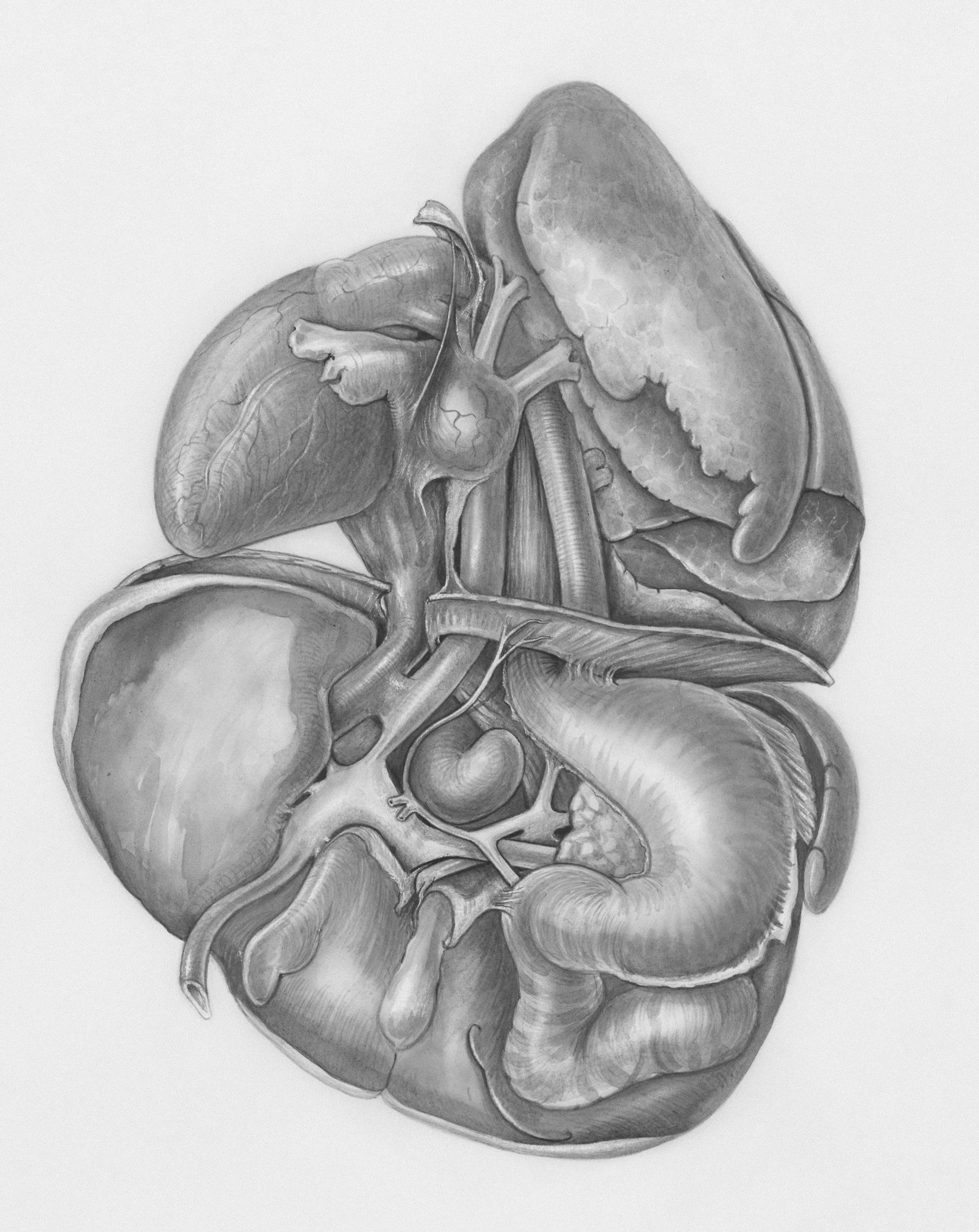
The Pancreas:
The regulator of Energy, Rhythm & Trust
Element: Fire balanced by Earth
Chakra: Solar Plexus (primary)
Primary Meridians: Spleen (TCM functional pairing), Stomach (supportive relationship)
Emotional Archetype: The Regulator, The Keeper of Balance and Timing
Anatomy and Function
The pancreas is a dual-function organ that bridges digestion and metabolism, translating nourishment into usable energy with exquisite precision. Anatomically, it lies behind the stomach, extending from the curve of the duodenum toward the spleen. Its exocrine function involves the production and release of digestive enzymes including amylase, lipase, and proteases, which are delivered into the duodenum to complete the breakdown of carbohydrates, fats, and proteins. Without adequate pancreatic enzyme output, digestion remains incomplete regardless of food quality or stomach function.
Equally critical is the pancreas’s endocrine role. Specialized cells within the islets of Langerhans secrete insulin, glucagon, and somatostatin, hormones that regulate blood glucose availability across the body. Insulin facilitates the uptake of glucose into cells for immediate energy or storage, while glucagon mobilizes stored glucose during fasting or stress. This constant feedback loop allows the body to respond to fluctuating demands without tipping into depletion or excess. The pancreas is therefore central to metabolic stability, cognitive clarity, and sustained vitality.
The pancreas is highly sensitive to nervous system signaling, circadian rhythm, and inflammatory load. Chronic stress, erratic eating patterns, sleep disruption, and inflammatory diets impair pancreatic signaling long before overt disease develops. When regulation falters, blood sugar becomes unstable, digestion weakens, and the body oscillates between fatigue and urgency. Over time, this dysregulation can progress toward insulin resistance, metabolic syndrome, or inflammatory pancreatic conditions.
Energetically, the pancreas governs trust in availability. It reflects whether the body believes energy will arrive when needed or must be hoarded, forced, or feared. When pancreatic function is coherent, energy is steady, hunger cues are clear, and the body moves through the day without dramatic peaks or crashes. When this system is strained, individuals often experience anxiety around food, compulsive eating, hypoglycemia, irritability, or exhaustion, mirroring deeper patterns of instability and unmet support.
Within the Manipura realm, the pancreas acts as the mediator between fire and nourishment. It ensures that digestion does not burn too fast or too slow, and that energy is released in rhythm with demand. This organ teaches balance without rigidity and responsiveness without collapse. When pancreatic intelligence is restored, the body regains confidence in its own internal economy, allowing power to be sustained rather than spent.
Common Ailments of the Pancreas and how to bring healing to them
-
Blood sugar dysregulation includes frequent energy crashes, irritability, shakiness, brain fog, anxiety between meals, and strong cravings. Physiologically, this reflects impaired coordination between insulin, glucagon, liver glycogen storage, and nervous system signaling. The pancreas is over-responding or under-responding to glucose demands due to stress, inflammation, poor meal timing, or metabolic strain.
Energetically, blood sugar dysregulation reflects instability in internal trust. The body does not believe nourishment will arrive reliably, so it oscillates between urgency and depletion. This often develops in people who learned to override hunger cues or live in chronic survival mode. (super common in women)
Healing Tools:
Physical: Stabilize meal timing, prioritize protein and fat with carbohydrates, and reduce stimulants that spike insulin demand.
Herbal: Gymnema, cinnamon, bitter melon, fenugreek, and bilberry to support glucose regulation.
Energetic Practice: Eat meals seated, without distraction, breathing slowly before the first bite to signal safety.
Ritual: Place a hand over the solar plexus after meals and affirm, “Energy arrives when I need it.”
-
Hypoglycemia involves excessive insulin response or inadequate glycogen release, leading to low blood sugar symptoms such as dizziness, sweating, panic, weakness, and sudden fatigue. It often coexists with adrenal stress and erratic eating patterns.
Energetically, hypoglycemia reflects hyper-responsiveness to perceived threat. The system releases energy too quickly, preparing for danger that never resolves. There is often a history of emotional volatility, unpredictability, or early responsibility. I see this in my practice with adults who were the emotional regulators of their family.
Healing Tools:
Physical: Eat regular, balanced meals and avoid prolonged fasting or extreme restriction. I don’t support intermittent fasting with this presentation
Herbal: Licorice root (when appropriate), cinnamon, holy basil, and eleuthero to stabilize stress-driven glucose swings.
Energetic Practice: Grounding through slow walking after meals to reinforce stability.
Ritual: Carry a grounding object and consciously check in with the body before reaching for quick fuel.
-
Insulin resistance occurs when cells become less responsive to insulin, forcing the pancreas to work harder to maintain normal glucose levels. Over time, this leads to chronically elevated insulin, inflammation, weight gain, fatigue, and increased risk for metabolic syndrome and type 2 diabetes.
Energetically, insulin resistance reflects resistance to receiving support. The body keeps knocking on the door, but the cells no longer listen. This often develops in individuals who have learned to rely solely on willpower rather than trust and cooperation.
Healing Tools:
Physical: Reduce inflammatory load, support movement, and restore circadian rhythm.
Herbal: Berberine-containing herbs (barberry, goldenseal), cinnamon, milk thistle, and turmeric.
Energetic Practice: Gentle strength-based movement to reestablish cellular responsiveness.
Ritual: Engage in intentional rest after exertion, signaling that effort does not require collapse.
-
Pancreatic enzyme insufficiency results in incomplete digestion of fats, proteins, and carbohydrates, leading to bloating, greasy stools, nutrient deficiencies, and weight loss. This condition may follow chronic inflammation, gallbladder dysfunction, or long-standing digestive stress.
Energetically, enzyme insufficiency reflects exhaustion of digestive will. The system has been asked to perform without adequate support for too long and begins to conserve energy by producing less.
Healing Tools:
Physical: Support digestion upstream and reduce digestive burden.
Herbal: Gentian, dandelion root, artichoke leaf, and ginger to stimulate digestive signaling.
Energetic Practice: Eat smaller, more frequent meals to reduce overwhelm.
Ritual: Before eating, pause and acknowledge the body’s effort rather than demanding performance.
-
Pancreatitis involves inflammation of the pancreatic tissue, often caused by gallstones, alcohol use, metabolic stress, or autoimmune activation. It results in pain, digestive failure, and systemic inflammation.
Energetically, pancreatitis reflects fire without containment. The pancreas becomes inflamed when it is forced to regulate intensity without adequate support, boundaries, or recovery.
Healing Tools:
Physical: Remove inflammatory triggers and prioritize rest and metabolic repair.
Herbal: Turmeric, boswellia, milk thistle, and marshmallow root
Energetic Practice: Practices that emphasize stillness and containment rather than activation.
Ritual: Daily hands-on abdominal holding while breathing slowly, inviting the fire to soften rather than extinguish.
-
Metabolic burnout presents as chronic fatigue, inability to tolerate stress, persistent blood sugar swings, and digestive weakness. It reflects long-term overactivation of the pancreas in response to sustained stress and demand.
Energetically, this represents collapse after prolonged self-sacrifice. The pancreas can no longer regulate because it has been carrying more than its share of the load.
Healing Tools:
Physical: Reduce demand, restore sleep, and rebuild foundational nourishment.
Herbal: Reishi, ashwagandha, holy basil, and licorice (when appropriate) to restore metabolic resilience.
Energetic Practice: Daily non-negotiable rest periods to retrain safety.
Ritual: Create a nightly closing ritual that marks the end of effort for the day.

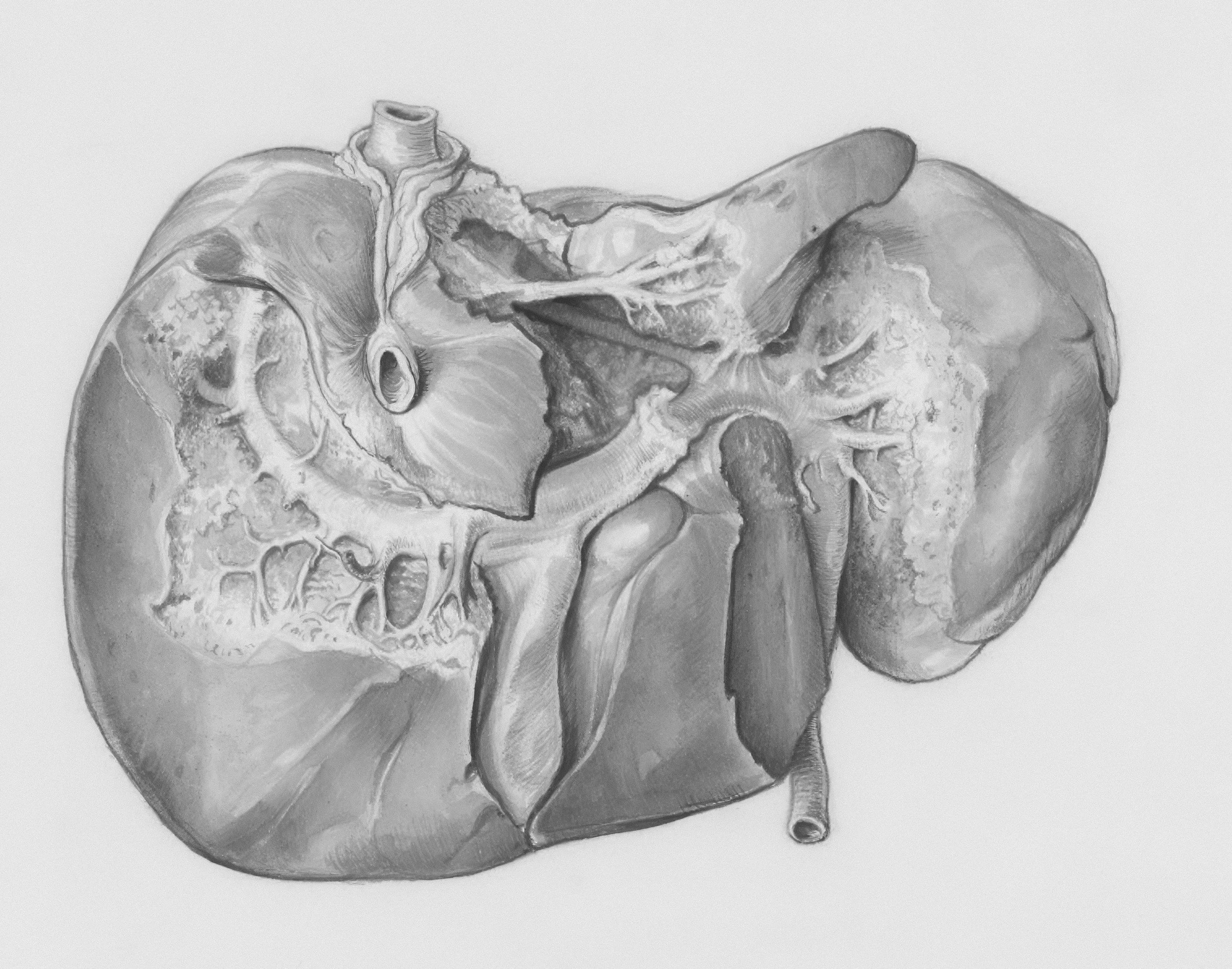
The Liver & Gallbladder :
THE AXIS OF VISION, DIRECTION, AND DECISIVE POWER
Element: Wood
Chakra: Solar Plexus (primary), Heart (secondary)
Primary Meridians: Liver, Gallbladder
Emotional Archetype: The Strategist and The Decider, The One Who Sees the Path and Moves Forward
Anatomy and Function
The liver is the body’s central organ of metabolism, detoxification, and internal planning. Anatomically, it sits in the upper right abdomen beneath the diaphragm and receives blood directly from the digestive tract via the portal vein. This positioning allows the liver to assess, transform, and redistribute nutrients, toxins, hormones, and metabolic byproducts before they circulate systemically. It synthesizes proteins, regulates cholesterol, stores glycogen, metabolizes hormones, and neutralizes chemical and microbial burdens. The liver does not merely cleanse. It organizes.
Physiologically, the liver governs adaptability. It adjusts metabolism in response to feeding, fasting, stress, circadian rhythm, and environmental demand. It converts excess glucose into glycogen for later use and releases it when energy is required. It processes inflammatory mediators and clears estrogen, cortisol, and xenobiotics. When liver function is coherent, energy flows smoothly, mood remains stable, and the body responds flexibly to change. When burdened, stagnation develops, manifesting as fatigue, irritability, hormonal imbalance, headaches, skin eruptions, and systemic inflammation.
The gallbladder functions as the liver’s executor. It stores and concentrates bile produced by the liver and releases it into the duodenum in response to fat intake. Bile emulsifies dietary fats, enabling absorption of fat-soluble vitamins and efficient lipid metabolism. Beyond digestion, bile flow is essential for detoxification, microbial balance, and elimination of metabolic waste. The gallbladder’s role is not passive. It responds to timing, decisiveness, and neural signaling, releasing bile when the body commits to action.
From a Chinese medicine perspective, the liver governs the smooth flow of qi and blood, while the gallbladder governs decision-making and courage. Together, they form the Wood element, responsible for growth, vision, and forward movement. When Wood energy is balanced, planning and execution align. When it is constrained, frustration, resentment, and stagnation arise. Liver qi stagnation often precedes physical disease, first appearing as tension, mood volatility, digestive disruption, or cyclical symptoms that worsen under stress.
Energetically, the liver holds unexpressed anger, suppressed desire, and unmet longing for direction. It records moments when movement was blocked or truth could not be acted upon. The gallbladder reflects the body’s relationship with choice. When decisive action feels unsafe or unsupported, bile flow becomes sluggish, digestion weakens, and confidence erodes. When courage is restored, bile moves freely, digestion improves, and the system regains momentum.
Together, the liver and gallbladder form the internal compass of the Manipura realm. They translate nourishment into purpose and energy into motion. This system teaches that power is not brute force, but clear vision paired with timely action. When liver and gallbladder intelligence is restored, the body moves forward without strain, detoxification becomes efficient, and personal authority is embodied rather than defended.
Common Ailments of the liver & Gallbladder and how to bring healing to them
-
Liver congestion reflects impaired flow of bile, blood, and metabolic byproducts. Physiologically, this may show up as fatigue, hormonal imbalance, headaches, PMS, skin eruptions, poor fat digestion, or chemical sensitivity. It often develops from chronic stress, inflammatory load, alcohol, medications, or lack of rhythmic movement.
Energetically, liver stagnation is unexpressed truth. Anger that was swallowed. Desire that was postponed. Movement that was blocked. The liver holds what could not be acted upon.
This is one of the most common patterns I see across my entire practice
Healing Tools:
Physical: Support daily movement, hydration, and regular elimination.
Herbal: Milk thistle, dandelion root, burdock, yellow dock, Reishi and artichoke leaf. (There are many more)
Energetic Practice: Gentle twisting of the torso and rib cage to restore lateral flow.
Ritual: Write down one truth you have been holding back and burn the paper safely, releasing it from the body.
-
Fatty liver reflects impaired fat metabolism and insulin signaling, leading to lipid accumulation in liver tissue. It is strongly associated with insulin resistance, chronic inflammation, and metabolic overload.
Energetically, fatty liver represents burden without release. The liver stores what should have moved on, often mirroring a life of over-responsibility and under-support.
Healing Tools:
Physical: Reduce refined carbohydrates, support blood sugar regulation, and restore metabolic rhythm.
Herbal: Milk thistle, schisandra, turmeric, chicory root, Reishi, and artichoke.
Energetic Practice: Grounding walks after meals to support glucose and lipid clearance.
Ritual: Place both hands over the right upper abdomen and affirm, “I release what I no longer need to carry.”
-
The liver is responsible for metabolizing and clearing hormones, including estrogen. When clearance is impaired, symptoms such as PMS, breast tenderness, fibrocystic breasts, heavy periods, migraines, irritability, and mood swings arise.
Energetically, this reflects cycles denied completion. Emotion and energy rise but are never allowed to resolve. (Connected to Throat Chakra)
Healing Tools:
Physical: Support bile flow and regular bowel movements.
Herbal: Chaste tree (vitex), milk thistle, dandelion root, burdock, and rosemary.
Energetic Practice: Track cycles intentionally to restore respect for rhythmic intelligence. Myofascial support
Ritual: Create a monthly release ritual aligned with the luteal phase, allowing emotional completion.
-
Gallbladder sludge and stones form when bile becomes thick, stagnant, or overly concentrated. This impairs fat digestion and detoxification and may cause pain, nausea, bloating, or right-sided discomfort.
Energetically, gallbladder pathology reflects suppressed decisiveness. Choices delayed. Boundaries softened. Courage postponed. Presents as lack of self trust
Healing Tools:
Physical: Support hydration, dietary fats that encourage bile flow, and mineral balance.
Herbal: Artichoke leaf, dandelion root, turmeric, chanca piedra, and boldo
Energetic Practice: Daily decision-making practice, choosing one small thing without second-guessing.
Ritual: Before meals, affirm, “I choose clarity and forward movement.”
-
Inadequate bile flow results in poor fat digestion, pale stools, constipation, nutrient deficiencies, and toxin recirculation. This condition often precedes gallstones and systemic inflammation.
Energetically, this reflects movement blocked at the threshold of action. The vision exists, but execution does not follow.
Healing Tools:
Physical: Support fat digestion and avoid chronic under-eating.
Herbal: Bitters including gentian, dandelion, artichoke, and orange peel.
Energetic Practice: Morning sunlight exposure to reestablish circadian bile rhythm.
Ritual: Take bitters consciously, acknowledging the body’s readiness to move forward.
-
Chronic irritability, resentment, or sudden emotional outbursts often correlate with liver and gallbladder imbalance. These emotions are not moral failings; they are signals of stagnation.
Energetically, this reflects power denied expression. When action is blocked, anger accumulates.
Healing Tools:
Physical: Regular physical movement that includes lateral and rotational motion.
Herbal: Lemon balm, skullcap, peony, and turmeric to soothe liver fire.
Energetic Practice: Breathwork focused on long exhales to release internal pressure.
Ritual: Physical release through shaking, hitting a pillow, or vocal expression in a safe container.
-
When the liver is overwhelmed, detox pathways slow, leading to chemical sensitivity, headaches, skin issues, and fatigue.
Energetically, this reflects exposure without protection. The body has been asked to process too much for too long.
Healing Tools:
Physical: Reduce environmental toxin exposure and support Phase I and II detox pathways.
Herbal: Milk thistle, schisandra, rosemary, and turmeric.
Energetic Practice: Boundary-setting practices to reduce emotional and environmental input.
Ritual: Cleanse living spaces intentionally, reinforcing external boundaries to support internal ones.
-
When liver and gallbladder intelligence is compromised, individuals often feel stuck, indecisive, or chronically frustrated.
Energetically, this reflects lost vision. The compass is offline.
Healing Tools:
Physical: Support metabolic and bile flow to restore clarity.
Herbal: Schisandra, artichoke, and milk thistle to restore hepatic signaling.
Energetic Practice: Visualization of a clear path forward, even if the steps are small.
Ritual: Write a future-oriented intention and revisit it daily until movement resumes.
Advanced Shamanic Understanding of the Liver and Gallbladder
-
In shamanic medicine, the liver is the keeper of vision and the archive of unfinished movement. It is not only an organ of detoxification, but the place where unexpressed life force is stored when action is delayed, denied, or made unsafe. The liver remembers every moment when truth could not be spoken, when desire was postponed for survival, when anger was swallowed to preserve belonging. These moments do not disappear. They calcify into stagnation, waiting for conditions that allow motion again. The liver does not punish. It holds, patiently, until movement becomes possible.
Within Chinese medicine, the liver governs the smooth flow of qi and blood, and it is through this flow that the body experiences freedom. When qi moves, the body adapts. When qi stagnates, the body hardens. From a shamanic perspective, stagnation is not pathology first. It is a protective pause. The liver halts movement when forward motion would have caused harm. Over time, however, protection becomes imprisonment if movement is never restored. This is how chronic frustration, resentment, tension, and inflammatory disease take root in the tissues.
The gallbladder is the liver’s sword. Where the liver sees the path, the gallbladder commits to it. In shamanic systems, the gallbladder holds the medicine of courage, moral clarity, and decisive action. It governs the moment when vision becomes movement. When the gallbladder is strong, decisions are clean and timely. When it is weakened, choice becomes exhausting, delayed, or avoided altogether. The body hesitates, not because it does not know what to do, but because it does not trust the consequences of action.
Energetically, gallbladder imbalance reflects fear of retribution for truth. This often forms in early life or ancestral lines where speaking clearly resulted in punishment, abandonment, or violence. The gallbladder learns to pause indefinitely. Bile thickens. Decisions slow. The body attempts to survive by remaining neutral. Over time, neutrality becomes stagnation, and stagnation becomes disease.
The liver and gallbladder together hold ancestral anger. Not rage in its explosive form, but contained fury, the kind that never found a safe exit. This anger may not belong to the individual alone. It often carries lineage memory, particularly from lines marked by oppression, silencing, displacement, or forced obedience. The liver becomes the vault for these stories. The gallbladder becomes the frozen gatekeeper. Healing this system is therefore not about calming anger, but about restoring its rightful function as directional force.
From a vibrational medicine perspective, the liver responds strongly to frequency. Chaos in the external field creates chaos in hepatic flow. This is why environments marked by chronic stress, emotional volatility, or moral incoherence exhaust liver function. The liver requires rhythm, clarity, and predictability to release its burden. Ritual, routine, and intentional movement are not lifestyle luxuries for this system. They are medicine.
Shamanically, the liver is also a dreaming organ. It governs the ability to imagine a future and move toward it. When liver energy is depleted or congested, the future collapses into immediacy. People lose access to long-term vision and become trapped in reactive cycles. Restoring liver function often restores hope, not as an emotion, but as a felt sense of forward possibility.
The gallbladder, in turn, governs ethical alignment. It is not just about decision-making, but about choosing in alignment with inner law. When gallbladder energy is coherent, the body feels clean after a decision, even if the choice is difficult. When it is incoherent, regret, second-guessing, and self-betrayal follow. The gallbladder teaches that courage is not recklessness, but integrity in motion.
In advanced shamanic healing, working with the liver and gallbladder means restoring movement without forcing. It means honoring anger as information, not pathology. It means teaching the body that truth can move without destruction. As bile begins to flow and qi resumes its natural course, the body remembers how to trust its own compass. Vision sharpens. Decisions simplify. The weight lifts.
The medicine of the liver and gallbladder is this:
You were never meant to carry what was not acted upon. Life force must move, or it will turn inward. When movement is restored, power becomes clean again.
The Spleen:
the organ of nourishment, integration & trusted support
Element: Earth
Chakra: Solar Plexus (primary), Root (secondary)
Primary Meridians: Spleen
Emotional Archetype: The Steward, The One Who Is Held and Can Therefore Stand
Anatomy and Function
The spleen is a central organ of nourishment, immune regulation, and blood integrity. Anatomically, it sits in the upper left abdomen, tucked beneath the rib cage and closely associated with the stomach, pancreas, and intestines. In Western physiology, the spleen filters blood, removes damaged red blood cells, recycles iron, and supports immune surveillance by identifying and responding to pathogens. It acts as a reservoir for immune cells and platelets, playing a quiet but essential role in systemic resilience.
From a functional perspective, the spleen bridges digestion and circulation. It receives the results of digestive work and determines whether nourishment is sufficient to build blood, tissue, and vitality. When spleen function is robust, energy is steady, cognition is clear, and the body maintains structural strength. When it is weakened, symptoms such as fatigue, easy bruising, frequent infections, poor concentration, and heaviness in the limbs often arise, signaling insufficient integration despite adequate intake.
In Chinese medicine, the spleen governs transformation and transportation. It is responsible for extracting essence from food and distributing it throughout the body as qi and blood. Unlike the liver, which moves, or the pancreas, which regulates, the spleen stabilizes. It prefers warmth, rhythm, and simplicity. Cold, dampness, overthinking, and irregular eating patterns weaken spleen qi, leading to stagnation, fatigue, and collapse of internal support.
Energetically, the spleen governs trust in nourishment and support. It reflects whether the body believes it will be held once effort has been expended. Individuals with spleen imbalance often overwork, overgive, or overthink, attempting to compensate for a deep internal belief that support will not arrive unless it is earned. The spleen carries the imprint of early experiences around care, reliability, and being met in one’s needs.
Within the Manipura realm, the spleen acts as the integrator of fire. After digestion has occurred, decisions have been made, and energy has been regulated, the spleen gathers what remains and builds the body from it. It teaches that power without nourishment collapses, and that true strength arises not from force, but from being sufficiently fed, rested, and supported. When spleen intelligence is restored, effort softens, trust returns, and the body stands with quiet confidence rather than constant exertion.
The spleen closes the metabolic fire cycle not with intensity, but with steadiness. It anchors the work of the entire digestive system into lived vitality, reminding the body that it is allowed to receive what sustains it.
COMMON AILMENTS OF THE Spleen AND HOW TO BRING HEALING TO THEM
-
Spleen qi deficiency is one of the most common patterns in both Chinese medicine and functional practice. Physiologically, it presents as fatigue, brain fog, poor appetite, loose stools, bloating after meals, muscle weakness, and a sense of heaviness in the body. The spleen lacks the energetic strength to transform food into usable qi and blood.
Energetically, spleen qi deficiency reflects chronic overextension without replenishment. The individual has learned to give, think, or work beyond their capacity, often from an early age. Support is not expected, so effort becomes constant.
Healing Tools:
Physical: Warm, cooked, simple foods eaten at regular times. Avoid cold, raw, or rushed meals.
Herbal: Astragalus, codonopsis, licorice root, atractylodes, and ginger.
Energetic Practice: Daily grounding with hands on the lower abdomen, breathing slowly until the belly softens.
Ritual: Eat one meal per day in silence, allowing the body to feel supported without performance.
-
Dampness arises when the spleen cannot properly transform fluids, leading to bloating, edema, foggy thinking, sluggish digestion, mucus, and a heavy sensation in the limbs. This pattern often overlaps with yeast overgrowth, dysbiosis, or chronic inflammation.
Energetically, dampness reflects emotional stagnation and rumination. Thoughts loop. Feelings are held instead of processed. The body becomes saturated with what was never metabolized.
Healing Tools:
Physical: Reduce refined sugars and excessive fluid intake while supporting gentle movement.
Herbal: Poria, coix seed, ginger, cinnamon, and cardamom.
Energetic Practice: Gentle walking or rocking movements to encourage internal circulation.
Ritual: Journaling practice focused on releasing repetitive thoughts before sleep.
-
Blood deficiency associated with spleen weakness presents as pale complexion, dizziness, hair thinning, poor concentration, anxiety, and sleep disturbances. The spleen cannot generate sufficient blood from nourishment.
Energetically, this reflects depletion of inner reserves. Nourishment has been inadequate or consistently diverted toward others. I also see this manifest as an idea of ‘I am not worthy of self care’
Healing Tools:
Physical: Prioritize nutrient-dense foods that support blood building.
Herbal: Dang gui (angelica sinensis), nettle, yellow dock, and astragalus.
Energetic Practice: Restorative practices that emphasize stillness rather than effort.
Ritual: Place hands over the heart and spleen area before sleep, affirming, “I am allowed to be nourished.”
-
When the spleen is weakened, appetite may diminish or digestion feels fragile and inconsistent. Food becomes burdensome rather than sustaining.
Energetically, this reflects loss of trust in nourishment. The body has learned that receiving may cost more than it gives.
Healing Tools:
Physical: Small, frequent meals with familiar, grounding foods.
Herbal: Gentian (low dose), ginger, orange peel, and fennel.
Energetic Practice: Smelling food deeply before eating to reengage digestive signaling.
Ritual: Bless food aloud before eating to reestablish relational safety with nourishment.
-
In Chinese medicine, the spleen is injured by excessive thinking. Chronic worry, rumination, and mental looping weaken digestion and assimilation. (similar to Kidney’s)
Energetically, this reflects attempting to earn safety through cognition rather than embodiment.
Healing Tools:
Physical: Reduce multitasking during meals and before sleep.
Herbal: Lemon balm, licorice, and reishi to calm the spleen–mind axis.
Energetic Practice: Body-based grounding such as feet-on-earth visualization.
Ritual: Write worries down and physically set them aside before meals.
-
The spleen governs holding blood within vessels. When weakened, symptoms such as easy bruising, bleeding gums, or varicosities may arise.
Energetically, this reflects weak boundaries and overexposure. The body struggles to contain what it generates.
Healing Tools:
Physical: Support connective tissue and vascular integrity.
Herbal: Yarrow, shepherd’s purse, astragalus, and rose hips.
Energetic Practice: Boundary-setting exercises, including saying no without justification.
Ritual: Daily practice of placing one hand on the spleen and one on the navel to reinforce containment.
-
This pattern reflects long-standing spleen exhaustion, where effort no longer produces energy. Rest does not feel restorative.
Energetically, this represents burnout after prolonged self-neglect. The spleen has given until it can no longer integrate nourishment.
Healing Tools:
Physical: Reduce output drastically and rebuild rhythm before productivity.
Herbal: Reishi, astragalus, codonopsis, and licorice.
Energetic Practice: Non-negotiable daily rest without stimulation.
Ritual: Create a daily closing ceremony that signals the end of effort.
-
Frequent illness or slow recovery reflects weakened spleen immune function.
Energetically, this reflects insufficient internal support. The body lacks reserves to defend without exhaustion. I see this with deep ancestry work OFTEN.
Healing Tools:
Physical: Strengthen digestion to strengthen immunity.
Herbal: Astragalus, reishi, turkey tail, and elderberry.
Energetic Practice: Visualization of internal warmth and support.
Ritual: Seasonal cleansing and nourishment rituals to reinforce cyclical resilience.
Breathe with me, and I will teach you how to open without losing yourself
-The Winds