The Good mEdicine Roadmap
The embodiment of true health is when body, mind and spirit are working together in harmony and in balance. When you address and heal the nervous system you are also healing the emotional body, when you heal the emotional body you are also healing the psychic body. When you heal the psychic body you heal and elevate your vibration. Once you have healed your vibration realities shift..
Reclaim Your Sovereignty
The Physical Body
Letting the System Receive
You have just completed a substantial season of physical clearing. We have spent time addressing mold and metals, supporting drainage, and asking the body to move what no longer needed to remain. Your testing gave us enough information to justify that work, and you moved through it well. Now, with that work complete and with you continuing to feel good in your body, I do not feel that the next intelligent step is to simply keep adding more detoxification.
There is a point where continuing to push elimination can become less useful than giving the system time to stabilize, rebuild, and integrate what has already happened. The body does not only need help moving things out. It also needs minerals, membranes, immune support, rest, nourishment, and enough consistency to recalibrate around a new baseline.
That is where I want to move now.
Rather than continuing to layer in more detox agents, I want the next phase to be foundational. The medicine here is not more intensity. It is support. It is giving the body enough resource to settle into the work it has already done and allowing the system to become stronger from the inside out.
For long-term foundational support, I would like you to support yourself with Reishi Supreme, Drainage Essentials, BodyBio PC, and magnesium glycinate, assuming these continue to feel appropriate and well tolerated for you. These give us a simple structure around immune resilience, drainage and lymphatic support, cellular membrane support, and mineral sufficiency without keeping the body in a constant state of detoxification.
You can order these through my supplement store whenever you need them, or use whatever trusted source you prefer.
The important piece is not where they come from. It is the consistency of the foundation.
We will always revisit if your body begins telling us something different, if new information appears, or if your medications, health history, or needs change. But right now, after looking at the larger picture and sitting with where your system is, I do not feel that more aggressive detoxification is the medicine.
I think the medicine is to let the body receive.
To let the work settle.
To restore what has been spent.
To nourish membranes, minerals, immune function, and drainage without continually asking the body to purge.
And in a way, this becomes the physical expression of the entire portal you are about to enter.
We have spent a great deal of time asking what can leave.
Now we begin becoming equally interested in what can be restored, nourished, rebuilt, and received.

Welcome Osun,
Goddess of the Sweetwaters
Before We Meet Osun
Understanding the World She Comes From
Before we begin to speak about Osun, we have to first understand the world she comes from. She is not a modern archetype, a manifestation symbol, or a goddess who can be lifted out of context and placed neatly into a contemporary spiritual framework. Osun belongs to a living Yoruba religious tradition, one rooted in West Africa and carried through generations of people, story, ceremony, divination, land, water, ancestry, and sacred relationship. To understand her well, we have to begin there, not with what she represents to us, but with what she has meant within the tradition that has held her for centuries.
The Yoruba people are an ethnic and cultural people whose historic homeland stretches primarily across present-day southwestern Nigeria and into neighboring Benin and Togo. Within Yoruba spiritual thought, the sacred is not separate from daily life. The visible world, the ancestral world, the natural world, human character, destiny, family, community, and divine forces are all understood as participating in the same living ecology. A person does not exist as an isolated individual moving through a neutral universe. They exist in relationship, always. Relationship to those who came before them, to the places that hold them, to the choices they make, to the forces of nature, to their own character, to destiny, and to the divine order that moves through all of it.
At the center of this cosmology is the supreme creative source commonly referred to as Olodumare. Within that larger sacred order are the Orisa, divine beings and powers through whom particular forces, mysteries, qualities, and dimensions of life are encountered. In English, the word is often written as Orisha, while the Yoruba form is òrìṣà. The Orisa are not simply symbolic archetypes or personality types. They are sacred presences with their own histories, relationships, territories, devotees, stories, priesthoods, obligations, and ways of being honored. They are woven deeply into the spiritual, cultural, and communal life of the people who carry these traditions.
Different Orisa are associated with different forces and functions within existence. Some are connected to thunder, iron, wisdom, creation, justice, fertility, rivers, labor, transformation, or communication. Yet even these descriptions are only partial. The Orisa are complex, layered, and relational, not one-dimensional deities who can be understood through a single keyword. They are encountered through story, lineage, ritual, devotion, divination, sacred places, and lived relationship. To speak about an Orisa with integrity is therefore to resist the urge to flatten them into something simple enough to fit on a card.
Within the wider Yoruba spiritual world is Ifá, one of the great repositories of philosophy, divination, ethics, history, sacred literature, and spiritual guidance within the tradition. Ifá is associated particularly with Orunmila, the Orisa of wisdom and divination, and is transmitted through a vast corpus organized into 256 Odù. Within those Odù are stories, verses, teachings, proverbs, histories, warnings, ethical instruction, and layers of wisdom that trained practitioners learn to interpret in relationship to the circumstances of a person or community. Ifá is not fortune-telling in the simplistic sense of predicting what will happen next. It is a system concerned with relationship, consequence, character, destiny, imbalance, alignment, and the question of how a person may live more wisely within the life they have been given.
That distinction matters, because so much of Yoruba spiritual thought is less concerned with controlling the future than it is with understanding how to stand correctly within relationship to it. What is out of balance? What has been ignored? What part of one’s character must be strengthened? What action creates consequence? What relationship has been neglected? What does the moment require? Ifá holds these questions within a much larger body of sacred knowledge, and trained diviners spend years learning how to listen to that body of wisdom.
It is within this world that we meet Osun.
Her name in Yoruba is written Ọ̀ṣun, and throughout this work we will use Osun, although you may also see Oshun in English-speaking contexts and other spellings within African diasporic traditions. She is one of the most beloved and widely known Orisa, intimately associated with fresh water, rivers, fertility, beauty, love, sensuality, sweetness, prosperity, diplomacy, creativity, and feminine power. Yet even this list can mislead us if we read it too quickly, because none of these qualities are superficial within her world. Fresh water sustains communities. Fertility makes continuation possible. Diplomacy can prevent destruction. Beauty can restore relationship. Pleasure can return a person to their own aliveness. Prosperity can create the capacity to nourish more than oneself. Sweetness, in this sense, is not decoration. It is part of what allows life to remain livable.
Osun’s connection to fresh water is especially important. She is a river Orisa, and rivers tell us something essential about the nature of her medicine. A river moves, but it does not move in a straight line simply because we want it to. It bends around what it encounters. It gathers strength. It changes course. It nourishes the places it touches. It can be gentle enough to cup in the hands and powerful enough to alter the land itself. This is a different expression of power than force for the sake of force. It is relational, responsive, fluid, and persistent.
Her sacred geography remains alive in the Osun-Osogbo Sacred Grove in Nigeria, where the river, forest, shrines, sanctuaries, sculptures, and ongoing religious practices continue to hold relationship with Osun today. This matters because Yoruba religion and Ifá are not extinct mythologies preserved only in books. They are living traditions. They are practiced, protected, interpreted, and carried by communities in West Africa and throughout the African diaspora. Over centuries, through migration, enslavement, colonialism, and cultural survival, related Orisa traditions also developed in places such as Cuba, Brazil, Trinidad, and elsewhere across the Atlantic world. This is why Osun may also be encountered as Ochún or Oxum, and why different lineages may carry teachings and ritual forms that are related without being identical.
In many of the sacred stories associated with Osun, there is a recurring lesson about what happens when the powers she represents are dismissed. She may be associated with beauty, sweetness, sensuality, diplomacy, and fertility, but those qualities are never portrayed as unnecessary luxuries. In fact, some traditions preserve stories in which masculine powers attempt to move creation forward without honoring the feminine force Osun represents, and nothing truly flourishes until that exclusion is corrected. The teaching is not merely that femininity should be included. The deeper teaching is that what appears soft, relational, pleasurable, beautiful, or receptive may in fact be structurally necessary to life itself.
This is why Osun cannot be reduced to the idea of being pretty, desirable, or abundant. Her current asks us to examine the deeper architecture of what makes life worth living and what allows life to continue. What happens when beauty is treated as frivolous? What happens when pleasure is postponed indefinitely? What happens when receiving feels less honorable than giving? What happens when diplomacy is mistaken for weakness, or when sweetness is sacrificed in the name of survival? Eventually, the river narrows. Something that once moved begins to stagnate.
To approach Osun with reverence is therefore to approach a living tradition with humility. We are not pretending that reading about her makes us initiated practitioners of Ifá, nor are we attempting to reproduce formal ritual that belongs to priesthoods, devotees, elders, or specific lineages. We are beginning as students. We are learning who she is, what world she comes from, what her symbols mean within that world, and what her stories reveal about the nature of relationship, fertility, beauty, prosperity, and power.
Only after we understand that foundation do we turn inward and ask what those teachings illuminate in our own lives.
Because the most important question is not, “How do I become Osun?”
It is, “What does Osun ask me to notice?”
What does the river teach about movement? What does sweetness teach about survival? What does prosperity reveal about our capacity to receive? What does beauty restore when it is not used as performance, but as reverence? What happens when we stop believing that force is the only legitimate expression of power?
That is where our work begins.
Not by extracting Osun from her tradition, but by understanding the river she comes from before we ever step into the water.


Why Osun, Why Now?
There are times in our work when a new teaching arrives because we are ready to learn something unfamiliar, and then there are times when a teaching arrives because we are finally ready to understand the name, history, and lineage of something we have already been touching. I believe this is the latter.
You have spent a long time in a season of release. You have changed jobs, moved through divorce, shifted environments, shed identities, worked through ancestral threads, detoxified your physical body, changed the visible landscape of yourself, and allowed old forms of your life to complete themselves. You have done an extraordinary amount of clearing, both materially and energetically, and you have demonstrated again and again that you know how to recognize what has become complete and how to let it go. There is no question anymore about whether you are capable of release. The more interesting question now is what becomes possible because you released so much.
At a certain point, continued excavation stops being the most important direction of the work. We can become highly skilled at identifying what needs to be removed, cleared, healed, completed, or surrendered, particularly as practitioners. We learn how to track density, recognize interference, feel where energy has become stagnant, and understand how to facilitate movement for the people in front of us. There is tremendous value in that capacity, but there comes a moment when the cleared space itself becomes the teaching. The room is empty. The field has changed. The old architecture is gone. So now what?
The question becomes: What am I ready to receive?
And there is another reason Osun belongs in this chapter of your work. In some ways, you have already been working beside her river. Again and again during energy sessions, you have described seeing and calling on a golden waterfall moving through the field of the person you are working with. You see it cleansing, clearing, washing, moving what has become stagnant, restoring flow. It is imagery that has arisen organically from your own medicine. You did not sit down and decide that golden water would become part of your energetic vocabulary. You did not borrow the image because you had been studying Osun. It appeared through the work.
That matters. I do not want to collapse your personal visionary language into a religious claim and simply declare that every golden waterfall is Osun. Your relationship with your own medicine deserves more discernment than that, and so does the tradition from which Osun comes. But when we begin to understand Osun as an Orisa intimately connected with flowing fresh water, radiance, fertility, sweetness, prosperity, beauty, nourishment, and the generative movement of life, it becomes impossible not to notice the resonance.
Sometimes intuition arrives before vocabulary. Sometimes the body recognizes a pattern before the intellect understands its history. Sometimes we discover that what felt entirely personal also happens to echo something that human beings have been relating to, naming, honoring, and learning from for generations. The purpose of this portal is not to tell you that you have secretly been practicing a tradition you did not know you belonged to. It is to become more precise. It is to give context to a resonance, to understand Osun on her own terms within the Yoruba world that carries her, while also becoming curious about why your own medicine has repeatedly reached for such similar imagery.
That distinction is important. We are not acquiring Osun as another spiritual tool. We are learning enough to recognize where your existing medicine comes into conversation with hers, and recognition creates a very different kind of doorway. You are not being asked to abandon the way you already work and replace it with something foreign. You are being invited to look more closely at a current you already understand somatically: the movement of water, the clearing that does not require violence, the restoration of flow, the radiance that accompanies cleansing, and the intelligence of allowing energy to move rather than forcing it to move.
You already know something about this. Now we deepen the conversation.
And perhaps that is also why the timing matters. Until now, so much of the water in your work has been asked to cleanse, to wash something away, to clear the field, to carry out what no longer belongs. But water does more than remove. Water nourishes. Water irrigates. Water makes barren ground fertile. Water carries nutrients toward living things. Water creates conditions in which something new can take root.
This is the shift I want us to pay attention to.
You have already learned how to use the river for release. Now we begin asking what happens when the river brings something toward you. What if the golden water you have called on to move through other people is not only a language of clearing? What if it is also a language of receiving, of nourishment, of prosperity, of creativity, of pleasure, of being met, of allowing the expansion of your medicine to become supported rather than simply demanding more of you?
This is where Osun becomes especially interesting. Her current invites us into a form of power that is not dependent upon hardness. It asks us to recognize the intelligence contained in attraction, relationship, beauty, pleasure, diplomacy, receptivity, and flow. These are not passive qualities. They are profoundly generative ones. They create the conditions through which life continues.
For a practitioner, that distinction matters. You already understand how to hold intensity. You understand how to sit beside transformation, grief, complexity, energetic movement, and the places where someone is coming apart so that something else can reorganize. But what happens when the field begins to organize around goodness? What happens when the medicine expands? What happens when you become more visible? What happens when the right people begin finding you? What happens when more money moves toward the work? What happens when you are supported before you reach exhaustion? What happens when something beautiful arrives and there is nothing to fix about it? What happens when life stops asking you to prove your capacity through difficulty?
That is a different kind of practice, and it requires its own capacity.
This is why I keep returning to the phrase you already offer the Universe: Surprise and delight me.
There is something deeply relevant in that prayer now. It is not simply an optimistic sentence. It is an act of openness. It leaves room for an outcome you did not engineer. It acknowledges that life may know forms of goodness you have not yet imagined. It asks you to loosen your authorship over exactly how prosperity, opportunity, connection, creativity, and expansion are supposed to arrive.
To genuinely ask to be surprised and delighted is to become available. Available to notice. Available to receive. Available to recognize when an opening appears in an unfamiliar form. Available to let something be easier than you expected. Available to allow the next chapter of your medicine to contain not only greater depth, but greater sweetness.
And perhaps this is the deeper maturation taking place now. Your medicine does not need to become more powerful because you learn how to carry more weight. It may become more powerful because you become more available to nourishment, because you allow yourself to be supported, because prosperity gives you more room to create, because pleasure keeps the practitioner alive inside the practice, because beauty reminds you why any of this matters, and because your own field is no longer organized only around what you are capable of giving.
This is where the question changes. Not, What else can I clear? Not, What else needs to leave? Not even, What else do I need to become? But: What am I ready to allow toward me now?
You have spent years making space. Now we become interested in what the space was made for. You have watched golden water cleanse the fields of others. Now perhaps we begin asking what that same river might be carrying toward you.
And maybe that is why Osun is arriving now. Not because you needed another energy to work with, but because you were finally ready to learn the name of a river whose language you had already understand.

THE MEDICINE OF Osun
What the River Carries
When we begin to understand Osun, it is tempting to gather the beautiful things associated with her and imagine that the medicine is contained within the objects themselves. We see rivers, sweetness, beauty, adornment, prosperity, fertility, pleasure, reflection, radiance, and gold, and it would be easy to turn those things into a collection of spiritual correspondences. But Osun asks for something deeper than correspondence. The medicine is not simply in the river, the sweetness, the beauty, or the prosperity. The medicine is in understanding what each of those things makes possible.
Osun’s world is fundamentally concerned with life. Not life as mere biological continuation, but life with enough nourishment, relationship, resource, beauty, protection, pleasure, creativity, and movement to actually flourish. Her river is not important simply because moving water is beautiful. Fresh water makes life possible. It nourishes land, feeds bodies, sustains communities, carries life from one place to another, and transforms whatever landscape it is allowed to move through. Prosperity is not meaningful simply because something has been accumulated. Prosperity matters because there is enough resource moving through a system for that system to continue feeding itself and others. Beauty is not meaningful because something is pleasant to look at. Beauty changes the quality of our attention. Sweetness is not meaningful because it is easy. Sweetness reminds us what all of our strength is actually meant to preserve.
This is how I want you to meet the medicines of Osun: not as a list of symbols to memorize, but as a living inquiry into the conditions that allow a life, a medicine, and a human being to flourish.
The River and the Medicine of Flow
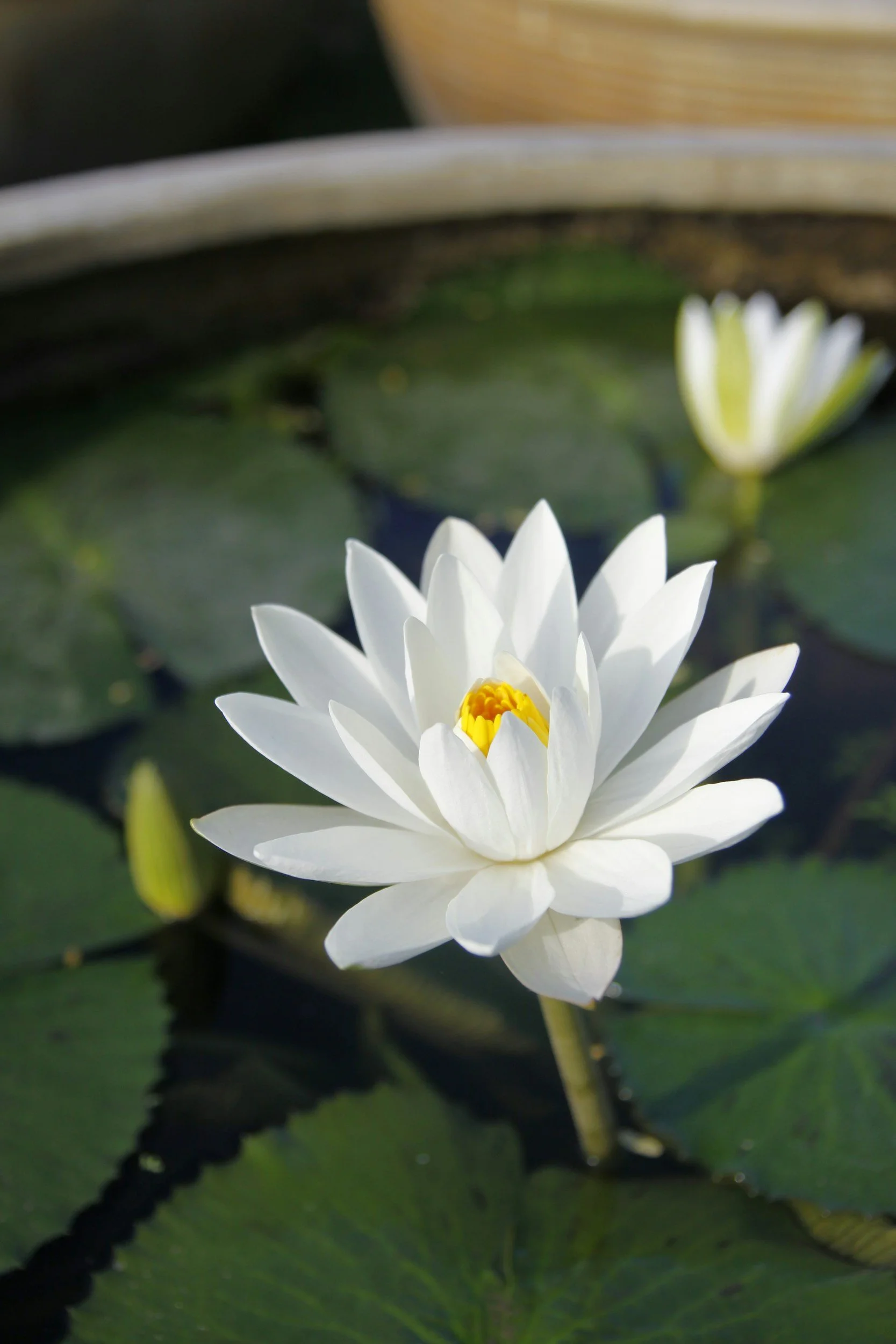
The Osun River is not merely symbolic within her tradition. It belongs to the living sacred geography of Osun herself. At Osogbo, the river moves through the sacred grove where she continues to be honored, and the waters have long been understood in relationship with life, blessing, healing, protection, fertility, and the well-being of the community. The river is therefore not a decorative backdrop to Osun. It tells us something essential about how her power moves.
Water is often brought into spiritual practice almost exclusively as a language of cleansing. We wash things away. We release things into rivers. We imagine water carrying grief, density, memory, old identity, attachment, and what has reached completion downstream. You understand this language intimately. You have seen it arise repeatedly within your own medicine through the golden waterfall that appears as you work with people, moving through the field, washing, clearing, restoring movement where something has become stagnant.
But a river does not only carry things away. A river also carries things toward.
It carries nutrients into soil. It replenishes dry ground. It moves seeds. It joins ecosystems. It feeds roots that could not survive without it. It creates pathways through which nourishment travels, and wherever healthy fresh water moves reliably, life gathers around it.
That is the direction I want the river to begin moving in your work now.
You have spent an extraordinary amount of time understanding the waters of release. You know how to clear. You know how to recognize stagnation. You know how to participate in the movement of something that has reached its completion. What we are exploring now is the other intelligence of water: nourishment, replenishment, attraction, fertility, movement toward, and receiving.
There is a difference between being empty and being open. There is a difference between clearing the field and creating a field capable of being fed. Osun invites us into that distinction.
Osun’s Medicines
-
The Medicine Of Sweetness
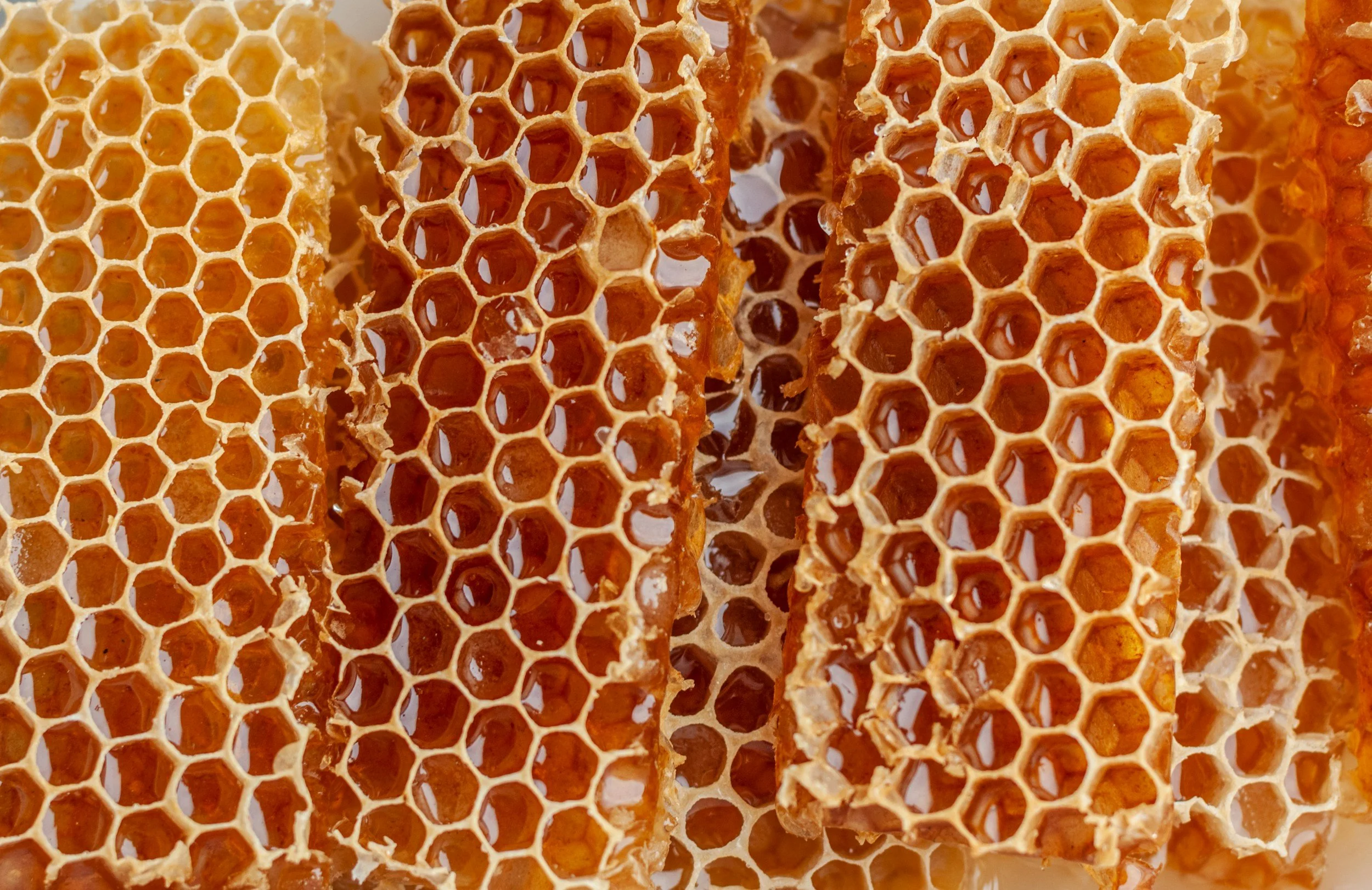
Sweetness is one of the most beautiful medicines carried within the current of Osun, and perhaps one of the easiest to misunderstand because the word itself can sound almost ornamental beside ideas like healing, transformation, power, purpose, or depth. But sweetness is not the absence of depth. It is one of the things that keeps depth from becoming heaviness, and one of the ways life reminds us that meaning does not only arrive through struggle.
There are seasons that ask for tremendous strength. Seasons of clearing, responsibility, grief, discernment, transition, creation, service, and becoming. There are also seasons when life begins asking us to notice what has been made possible by all of that movement. Not only what has been survived, completed, released, or outgrown, but what has quietly become available because the landscape has changed. This is one of the places where sweetness begins to reveal itself as medicine.
Sweetness can appear through beauty, pleasure, intimacy, generosity, ease, laughter, nourishment, creativity, meaningful connection, satisfying work, and those rare moments when life seems to meet us without requiring force. None of these things make a life less serious. They are part of what gives seriousness somewhere to rest. Osun reminds us that a life does not become sacred only through what it can endure. There is sacredness in what nourishes, in what delights, in being met, in the moments when something flows well, and in the experience of enough.
This is not a teaching about choosing pleasure instead of responsibility, or softness instead of discernment. Osun is far too complex for that. Her sweetness exists alongside power, consequence, intelligence, fertility, prosperity, relationship, and the capacity to move life forward. The medicine lies in understanding that these qualities do not have to oppose one another. A life can be disciplined and still be beautiful. Medicine can be deep and still contain pleasure. A healer can carry enormous capacity and still be nourished. Prosperity can coexist with reverence. Ease does not automatically mean a lack of depth. Sometimes ease is simply evidence that something is moving in right relationship.
There is also an important distinction between noticing sweetness and forcing gratitude. Gratitude can become another performance if we are not careful, another way of telling ourselves what we should feel. Sweetness asks for something more honest. It asks us to recognize what is genuinely nourishing when it appears and allow that experience to be what it is, without immediately turning it into a lesson, a responsibility, or a measurement of whether we are doing life correctly.
This is part of the subtle intelligence of Osun. Her medicine does not ask us to deny hardship. It asks us not to become so fluent in hardship that we overlook the other currents moving beside it. The beautiful meal, the right conversation, the unexpected opening, the moment of ease, the money that arrives, the person who shows up, the idea that suddenly has somewhere to go, the beauty that interrupts the day, the work that feels alive, the moment when nothing needs to be fixed. These things carry information too.
Sweetness can tell us where life is flowing. It can show us what nourishes the field, where relationship is reciprocal, where creativity is fertile, where resources are circulating, and where something within us is becoming more available to life rather than simply more capable of carrying it. This is why sweetness belongs so naturally beside prosperity in the medicine of Osun. Prosperity is not only an increase in material resources, just as sweetness is not simply an increase in pleasant experiences. Both speak to the health of an ecology. Is there enough nourishment moving through the system? Is there enough support for what is growing? Is there beauty, resource, relationship, rest, pleasure, creativity, and movement enough for life to flourish?
When those conditions deepen, medicine itself changes. There is more room around it, more possibility within it, more places for it to move, and more ways for it to be sustained. Osun invites us to become curious about those conditions without turning them into another measure of whether we are getting it right. The inquiry is gentler than that. Where does sweetness already live? What creates genuine nourishment? What makes the field feel more alive? What expands without being forced? What arrives and feels like right relationship? What does prosperity look like when it is understood not simply as more, but as enough resource moving well?
These are not questions that require immediate answers. They are simply ways of becoming more attentive to another dimension of the river.
Osun does not ask us to abandon depth for sweetness. She reminds us that sweetness is part of the depth.
-

Beauty and the Medicine of Reverence
Beauty is another medicine of Osun that becomes shallow only when we understand it shallowly. Beauty can certainly become performance, comparison, perfection, validation, or the attempt to construct something pleasing enough that it earns approval. But beauty can also be something entirely different. It can become a form of reverence, a way of paying attention so fully that what is before us becomes more alive simply because we have chosen to truly see it.
When something feels beautiful, we tend to linger. We notice detail. We become more present. We care for what we consider sacred, precious, or worthy of attention differently than we care for what we barely notice. In this way, beauty can become less about being seen and more about the quality of seeing itself.
A room tended with intention. A flower placed somewhere simply because its presence changes the feeling of the space. A garment that shifts the way the body is inhabited. Fragrance, texture, music, color, food, ritual objects, light, movement. These things can become ways of saying to life, I am paying attention to you.
Osun’s medicine reminds us that beauty is not necessarily frivolous simply because it is pleasurable. Beauty can restore relationship. It can soften the field. It can create presence. It can call something in us back into the body. It can remind us that the sacred is not only found in what is difficult, ancient, solemn, or profound. Sometimes the sacred is found in what is exquisitely alive.
This is not an invitation to make everything more beautiful for the sake of appearance. It is an invitation to become curious about what beauty actually does. What changes in a space when it is tended? What changes in the body when it is surrounded by things that feel alive? What becomes possible when beauty is approached as nourishment rather than performance?
Sometimes beauty is simply another way the body recognizes life.
-

Reflection and the Medicine of Seeing Yourself
There is a difference between looking at ourselves and seeing ourselves.
Reflection can so easily become evaluation. We look for what needs adjusting, what appears tired, what could be improved, what someone else might notice first. The mirror becomes another place where the self is measured against expectation.
But reflection can also become witness.
There is something very different about meeting one’s own image without immediately moving toward correction. To see the face that has lived the years we have lived, the body that has carried us through change, the person who has made choices, survived endings, built relationships, altered direction, and continued becoming, and to simply recognize her.
This kind of seeing becomes especially important in seasons of expansion because greater expression often brings greater visibility with it. Visibility can be beautiful, but it can also reveal how easily identity becomes entangled with the gaze of others. The more we are seen, the more important it becomes to remain in relationship with the self that exists before anyone else has an opinion about it.
The medicine here is not becoming “more beautiful” but rather becoming more intimate with what is already present.
Reflection can become a way of remembering that authority, beauty, intelligence, experience, tenderness, contradiction, history, and medicine all coexist within the same person. None of them require an audience in order to be real.
Osun’s medicine invites a different relationship with reflection. Not one centered on assessment, but one centered on recognition.
-

Prosperity and the Medicine of Circulation
Prosperity is one of the most easily distorted medicines in contemporary spiritual language because it is so often reduced to accumulation. More money. More opportunities. More clients. More visibility. More possessions. More.
But accumulation and prosperity are not the same thing.
A system can hold enormous resources and still be profoundly unhealthy. Prosperity is closer to circulation. Something arrives. It can be received. It can remain long enough to nourish the system. It can create stability. It can move onward without draining the source from which it came.
There is receiving and there is retaining. There is generosity and there is discernment. There is movement without hemorrhage.
This is where prosperity becomes less about quantity and more about ecology.
Money certainly belongs in this conversation. Money can create time, infrastructure, education, tools, rest, choice, reach, and the ability to build work in ways that are sustainable. But prosperity can also look like aligned collaboration, spaciousness, support, relationships that replenish, opportunities that arrive through right relationship, work that is valued appropriately, and enough resource moving through a life that creativity no longer has to emerge exclusively from urgency.
Osun’s medicine does not ask us to chase more for the sake of more. It invites us to become curious about the health of the circulation.
What is arriving?
What is remaining?
What is nourishing the larger system?
What can move outward because there is genuinely enough to share?
What creates greater life rather than simply greater volume?
Prosperity, understood this way, becomes less of a destination and more of a living rhythm of resource, reciprocity, and enoughness.
-
Fertility and the Medicine of What Is Ready to Become
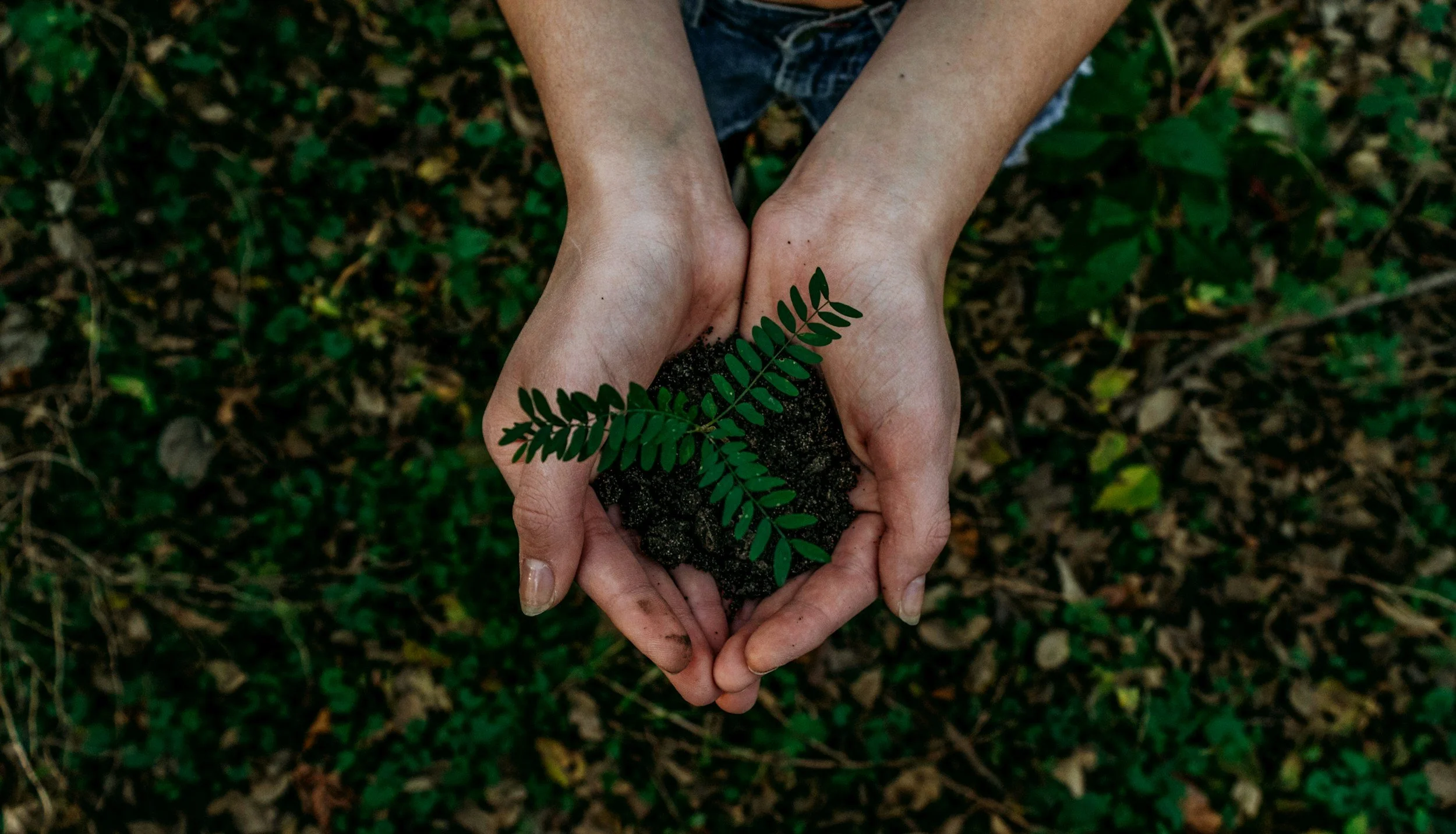
Osun is traditionally associated with fertility, and fertility is a word that deserves to be held with care because its meaning is far larger than reproduction. Fertility can be understood as the capacity for something to become possible because the conditions surrounding it are finally able to sustain it.
A landscape can be fertile. A mind can be fertile. A practice can become fertile. A relationship can become fertile. A season can become fertile enough to produce ideas, medicine, intimacy, prosperity, opportunity, creativity, or an entirely new direction.
Fertility is not located in a single organ, nor is it a measurement of womanhood. It is a quality of life itself.
A seed may contain everything necessary to become a tree and still never germinate if the surrounding ecology cannot support it. Potential alone does not create emergence. Soil matters. Water matters. Timing matters. Nourishment matters. Protection matters. Space matters. Something begins to grow when the conditions around it are capable of holding what wants to become.
This is one of the deeper medicines carried within Osun’s relationship with fertility.
Creation is not always about effort. Sometimes it is about condition. Sometimes the next form is already present in seed and simply waiting for enough water, enough warmth, enough space, enough safety, enough support.
There are seasons devoted to preparing the soil, and there are seasons when the soil begins to answer.
-

Sensuality and the Medicine of Aliveness
Sensuality is much larger than sexuality. It is the body’s capacity to receive the world through sensation: warmth against the skin, water moving across the body, music entering the chest, fragrance, texture, taste, color, movement, breath, touch, desire.
It is one of the most immediate ways the body knows that it is alive.
There is a profound intelligence in sensuality because it returns awareness to direct experience. Before interpretation, before meaning, before analysis, there is sensation. Something reaches the body and the body responds.
For healers and people who work deeply with subtle perception, attention can become highly practiced at moving outward. The room is felt. The field is read. The person in front of us is tracked. Energetic shifts are noticed before language catches up to them.
That sensitivity is extraordinary, but sensuality offers another direction for perception.
It brings attention home.
Pleasure, in this context, does not have to become indulgence or escape. It can simply become presence.
I can feel this. I am here. This is reaching me.
That is receiving in one of its most elemental forms.
Osun’s medicine reminds us that aliveness is not something separate from spiritual depth. The body participates in life through sensation, and the capacity to register beauty, pleasure, warmth, touch, sound, taste, movement, and desire can become part of the way a person remains intimate with her own existence.
-
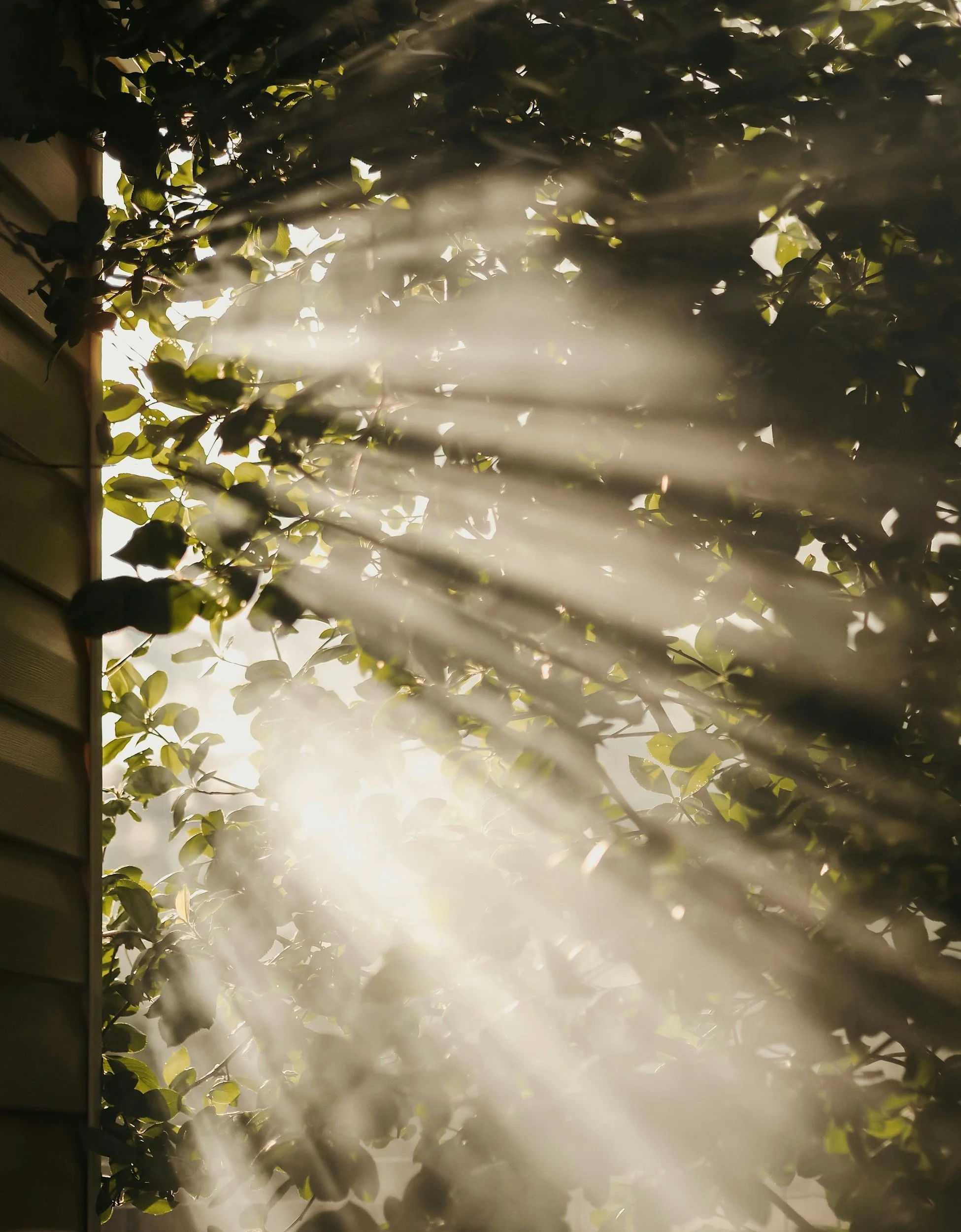
Radiance and the Medicine of Being Seen
There is also a medicine in radiance.
Not performance. Not attention-seeking. Not becoming larger simply to become more visible.
Radiance is what happens when something living has enough resource to express itself fully.
A healthy plant does not apologize for flowering. Its bloom is simply evidence that the conditions have supported expression. The color becomes visible because life has reached a point where visibility is part of what comes next.
Human expression can work in much the same way.
There are seasons when becoming more visible is not about constructing a louder version of the self, but allowing what is already present to become easier to see. Work deepens. Voice becomes clearer. Medicine becomes more defined. The right people begin recognizing what has been there all along.
Osun’s medicine offers a beautiful distinction between radiance and performance.
Performance asks, How should I appear?
Radiance asks, What becomes visible when I am sufficiently resourced to remain fully myself?
The difference matters.
Visibility does not have to require self-abandonment. Expression does not have to become exaggeration. Recognition does not have to determine worth.
Radiance can simply be the natural consequence of something becoming fully alive
-

Relational Intelligence and the Medicine of Soft Power
Not all power pushes.
Some power draws. Some persuades. Some creates trust. Some changes the emotional temperature of a room. Some recognizes that the way something is offered can determine whether it is ever able to be received.
This is relational intelligence, and it is one of the more sophisticated expressions of power.
Force has its place, but force is not the only thing capable of creating movement. Relationship can move what pressure cannot. Timing can change the outcome of a conversation. Trust can make information receivable. Language can create either openness or defense. Presence can alter what becomes possible before a word has been spoken.
For healers, this is not theoretical.
Medicine does not exist separately from the field in which it is offered.
The same insight can land differently depending upon timing. The same truth can heal or close a person depending upon how it is held. The same intervention can become useful or intrusive depending upon whether the system is ready to participate.
There is tremendous power in understanding this.
Mature authority does not always need to announce itself through insistence. It can know when to speak and when to wait, when to invite and when to redirect, when to soften and when softness is no longer appropriate.
Osun’s medicine reminds us that softness and power are not opposites.
Sometimes refinement is power.
Sometimes relationship is power.
Sometimes knowing how to move without force is the most powerful thing in the room.
-
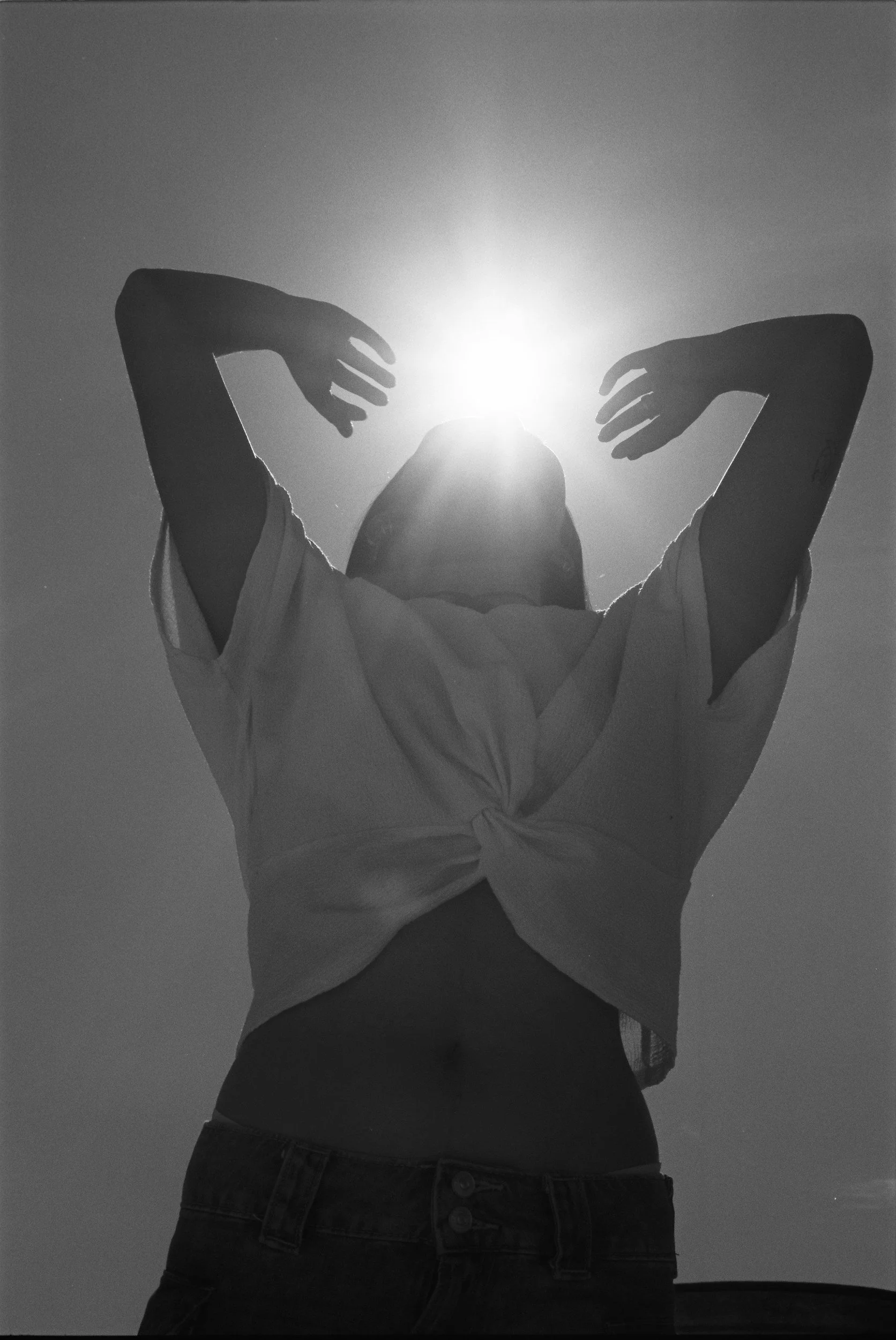
Receiving and the Medicine Beneath All the Others
Underneath so many of the medicines associated with Osun is the question of receiving.
Water can arrive.
Beauty can reach us.
Prosperity can circulate.
Sweetness can enter.
Pleasure can be felt.
Relationship can offer support.
Opportunity can appear.
But none of those things become nourishment simply because they exist. There also has to be enough openness for them to land.
Receiving is not indiscriminate openness.
Discernment remains sacred.
Boundaries remain sacred.
The river has banks for a reason.
Receiving is the capacity to allow nourishment through the boundary without requiring the boundary to disappear.
There is a subtle intelligence in this. Support can be received without becoming debt. Praise can be heard without having to be deflected or inflated. Opportunity can be considered before it is controlled. Money can arrive and remain long enough to create stability. Beauty can simply be enjoyed. Pleasure can remain pleasure without immediately being converted into productivity.
Receiving does not make a person passive.
It completes circulation.
For healers especially, there can be tremendous emphasis on what moves outward: attention, care, presence, skill, energy, service, guidance, support. Osun’s medicine widens the current.
What moves inward?
What nourishes the person through whom the medicine travels?
What replenishes the source?
What makes it possible for giving to remain generous rather than becoming depletion?
Receiving is not a lesser movement.
It is part of the same river.
What Has Been Waiting for These Conditions?
There is a particular kind of question that becomes possible once the conversation shifts from clearing toward fertility.
Not, What else needs to be removed? But, What has been waiting for these conditions?
There are things that cannot emerge simply because we want them badly enough. Some ideas need time. Some relationships need a different version of us. Some medicine develops quietly beneath the surface while attention is required elsewhere. Some opportunities cannot be held until the architecture around them has changed.
This is why periods of preparation are not necessarily periods of stagnation. Much can be happening underground.
Roots may be extending. Structures may be reorganizing. Capacity may be developing. A direction may be becoming clearer long before it becomes visible. Osun’s medicine invites us to become attentive to what is beginning to show itself now that the ecology has changed.
What idea continues returning?
What feels increasingly alive?
What possibility has more room around it than it once did?
What part of the medicine is becoming ready for expression?
What relationship, offering, collaboration, experience, or body of work seems to have found more fertile ground?
These questions do not have to be answered immediately. Sometimes the most important thing is simply to notice where life is beginning to gather. Eventually, there comes a point when continually turning the soil ceases to be useful. Eventually, we allow something to grow.
What the River Carries
When these medicines are placed beside one another, Osun begins to reveal something much larger than an Orisa associated with beautiful things.
The river teaches movement and nourishment. Sweetness reminds us that depth does not require constant heaviness. Beauty teaches reverence. Reflection asks us to see ourselves without immediately reaching for correction. Prosperity reveals the importance of circulation. Fertility teaches us about conditions and emergence. Sensuality returns us to embodiment. Radiance offers another way of understanding visibility. Relational intelligence shows us that power does not always need to force. Receiving allows nourishment to enter the ecology rather than merely pass beside it.
Together, these medicines begin to describe a life that is not only capable of surviving, serving, creating, or transforming, but capable of flourishing.
This does not mean hardship disappears. The river still encounters stone. It narrows. It floods. It changes course. It carries sediment from everything it has touched. And still, wherever healthy water is allowed to move, life gathers around it. Perhaps that is one of the deepest teachings carried within Osun’s current. The goal is not to create a life in which nothing difficult ever happens. It is to remain in relationship with the forces that sustain life even when difficulty is present. To notice what nourishes. To notice what is fertile. To notice where resources are moving well. To notice what is becoming more alive. To notice what can be received. The river carries more than what we ask it to take away. It carries life toward us too.


Standing at the River
The Practice of Receiving
You have spent a great deal of time working with water as a place of release. You know what it means to bring something to the river and let it move. You know cleansing, clearing, emptying, and completion. This practice is asking you to meet water differently.
You are not going to the river to give something away. You are going to the river to receive.
Find fresh, moving water while you are in California. A river, creek, stream, or spring. Go without a list of what you want, without something you need to release, and without the expectation that the experience has to become profound in order to matter. This is not a formal Yoruba ritual. It is a practice of relationship, informed by what you are learning about Osun and by the way water has already appeared so naturally in your own medicine.
When you arrive, let yourself settle before you begin asking anything. Notice the sound of the water, the way it moves through the land, where it gathers, where it quickens, where it bends. Notice what grows around it. Notice what happens in your own body when you are no longer there to facilitate, clear, interpret, or accomplish.
Then ask:
What is already moving toward me that I have not yet learned how to receive?
And leave space after the question.
Do not chase an answer. Let it come in whatever language it comes in. It may be an image, a sensation, a memory, a person, a desire, a resistance, a sudden clarity, or nothing at all. The practice is not to manufacture revelation. The practice is to become available.
For you, this matters because your relationship with water has so often been one of movement outward. You see the golden waterfall moving through clients. You understand clearing. You understand release. You understand how to help something leave. Now I want you to begin noticing the other direction of the current.
What is the river bringing toward you?
What is life already offering?
Where are you being supported?
Where is something becoming easier?
Where is beauty reaching you before you have time to dismiss it?
Where is opportunity entering the field in a form you did not expect?
Receiving is not passive. It requires presence, discernment, and enough openness to recognize nourishment when it arrives. A river has banks. It is not available to everything indiscriminately. But it still receives tributaries. It still allows water to enter. It still survives because something is continually feeding it.
The healer is no different.
As your medicine expands, the amount moving outward cannot be the only thing that grows. Support has to grow. Resource has to grow. Pleasure, beauty, rest, prosperity, opportunity, and the capacity to be met have to grow too.
When you are ready to leave, Ask yourself one question:
What did I allow myself to receive while I was here?
Maybe it was clarity. Maybe it was silence. Maybe it was beauty. Maybe it was a shift in the way you understand your own work. Maybe it was simply a period of time in which nothing was required of you.
That counts.
Return to this practice more than once while you are there. Let the question become familiar enough that it follows you away from the river.
What is already moving toward me?
You have spent a long time learning what the water can carry away. Now let it teach you what it can bring.
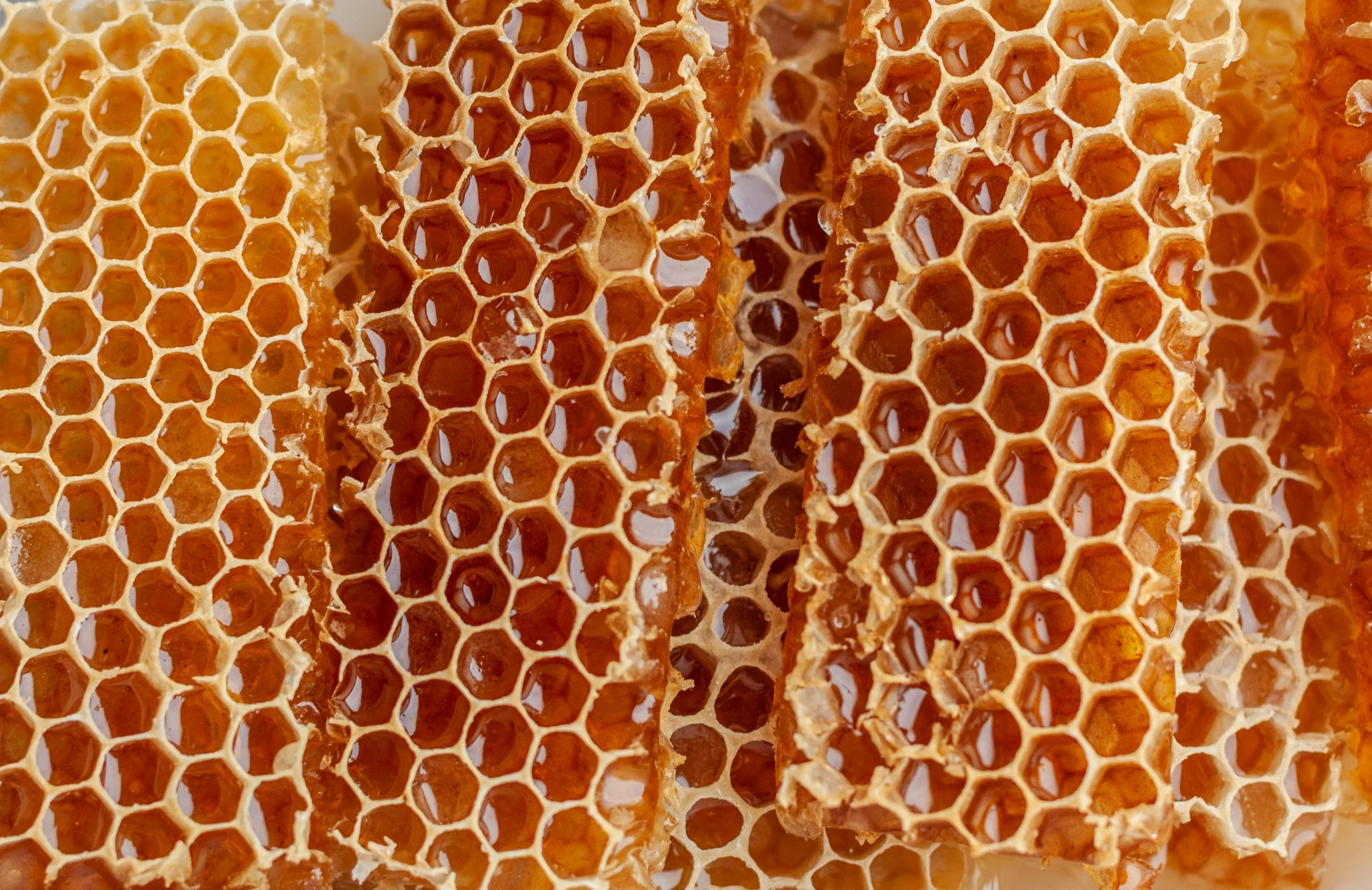

Gathering Sweetness
Sweetness is one of the currents Osun asks us to notice more consciously. Not because life should always feel sweet, and not because difficulty means we have fallen out of relationship, but because beauty, nourishment, pleasure, prosperity, support, and delight are also part of the field.
You already move through the world with reverence. This practice is not about teaching gratitude. It is about deepening relationship with Osun by becoming more deliberate in how you recognize the places where her medicine is already legible in your life.
You have said many times, “Surprise and delight me, Universe.”
For the next month, keep the receipts.
Each day, write down one moment that felt like evidence of sweetness. Something beautiful. Something easeful. Money arriving. An unexpected invitation. A nourishing conversation. A moment of laughter. Support. Synchronicity. A piece of work that flowed. Something that made you feel more alive.
The question is simply:
Where did sweetness find me today?
You can keep these in a dedicated journal, but I love the idea of a physical vessel. A beautiful jar, bowl, box, or container that becomes a home for the evidence. Write the moment on a small piece of paper, fold it, and place it inside.
Over time, the vessel begins to fill.
Not with affirmations.
With receipts.
At the end of the month, sit with what you have gathered and notice the patterns. What repeatedly brought sweetness? Where did life feel generous? Where was prosperity already circulating? Where did beauty, ease, or connection meet you without being forced?
Let the prayer remain simple:
Surprise and delight me, Universe.
And help me recognize the sweetness when it arrives.
This is a practice of attention, relationship, and recognition.
A way of noticing what the river has already been carrying toward you.
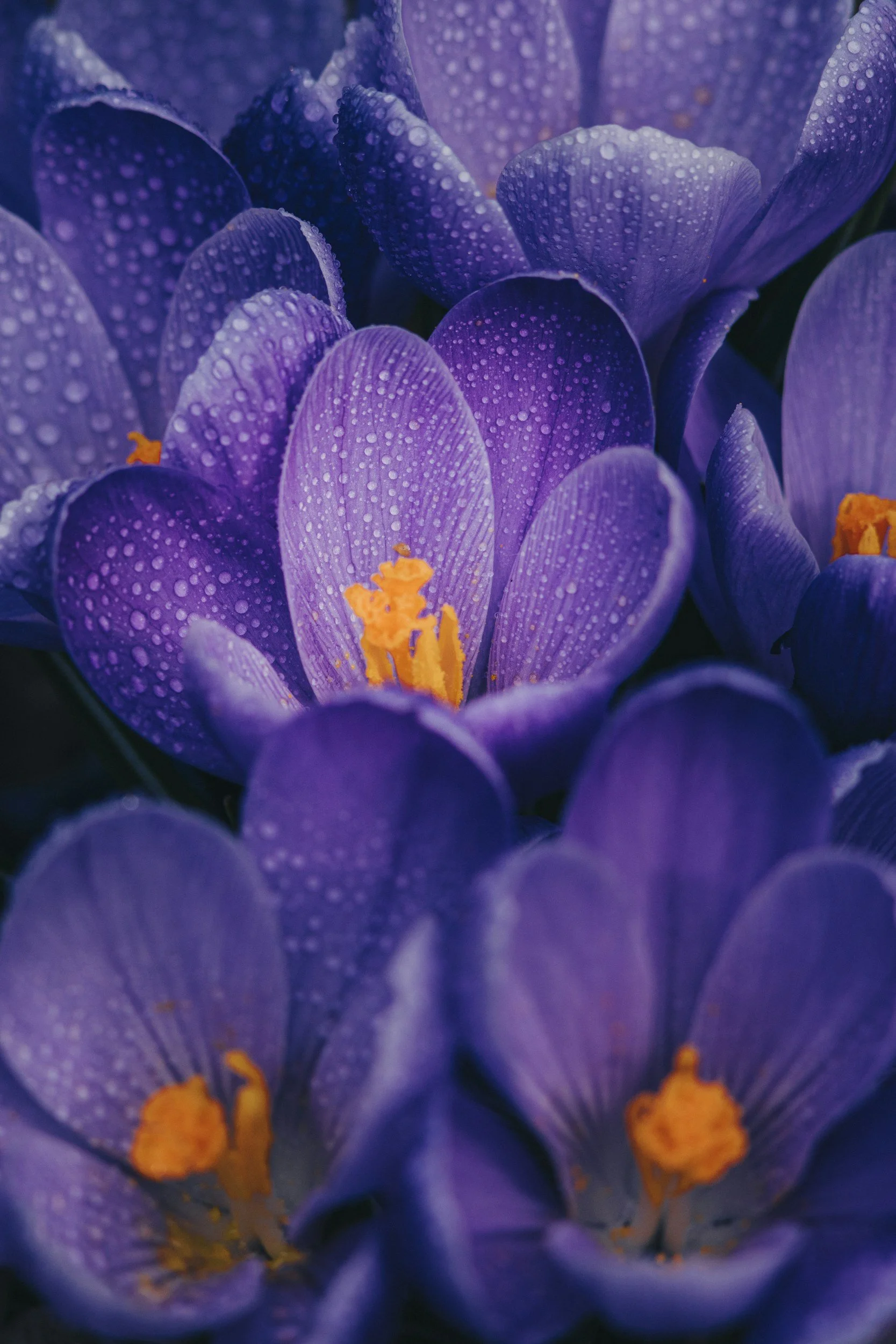
Pleasure as Presence
Reclaiming Appetite
Sensuality is one of the more intimate ways we come into relationship with our own aliveness. It lives in the places where the body responds before the mind has finished explaining, where attraction, beauty, texture, scent, movement, warmth, touch, taste, desire, and pleasure begin to tell us something about what draws us closer to life. Sensuality is not inherently sexual, though sexuality can absolutely live within it. It is the larger field of embodied response, the body’s way of saying, this reaches me, this awakens me, this feels alive.
This is part of why Osun’s medicine matters here. Her current carries sweetness, beauty, attraction, radiance, sensuality, pleasure, and the kind of power that draws rather than forces. There is something deeply restorative in allowing those qualities to become personal again, not theoretical, not filtered through what is expected, and not immediately shaped by what might be pleasing to someone else. The invitation is simply to become more intimate with your own pleasure, to notice what your body genuinely enjoys, what makes you soften, what awakens curiosity, what brings warmth into the body, what makes you linger, and what you find yourself wanting more of simply because something in you comes alive around it.
For a little while, I want you to be almost greedy with that information. Not careless, not indiscriminate, not ungrounded, but willing to let pleasure belong to you first. There is value in becoming curious about desire before it becomes relational, before it becomes negotiated, before it becomes something offered outward. What do you enjoy when no one else is part of the equation? What makes your body feel inhabited? What makes you feel beautiful, enlivened, magnetic, soft, awake, curious, hot or deeply present?
That might look like scent, fabric, music, bathing, swimming, dancing, food, movement, clothing, sunlight, massage, touch, flirtation, kissing, fantasy, erotic energy, or private sexual pleasure if that naturally belongs within the exploration. There is no required direction and no finish line. The medicine is in allowing sensuality to become broad again, to let pleasure move beyond a narrow sexual definition and become one of the ways you listen to your own aliveness.
The deeper question is what happens when pleasure does not have to justify itself. What happens when something can be chosen simply because it feels beautiful, delicious, enlivening, or good, and then experienced slowly enough to actually be received? This is where pleasure becomes more than sensation and begins to become information.
Notice what happens in the body. Notice what softens, warms, expands, settles, awakens, or creates movement. Notice what you are drawn toward before the mind begins editing the desire. Pleasure can reveal preference, preference can reveal desire, and desire can reveal direction. In that way, sensuality becomes another language through which the body tells the truth about what brings it alive.
Osun’s medicine is inviting you to become more intimate with what you desire, not what you should want, not what looks beautiful from the outside, and not what makes you more pleasing to anyone else. The work is simply to listen for what brings you alive, let appetite have a voice again, and allow pleasure to belong to you before any part of it is offered outward.
Perhaps the deepest question underneath this practice is simply this:
What if pleasure gets to belong to me first?

Returning to the Current
This work with Osun is not asking you to master another body of knowledge or perform another set of practices correctly. It is asking you to become more intimate with a current that is already familiar in ways you are only beginning to name.
The river, the sweetness, the pleasure, the beauty, the receiving, the prosperity, the radiance, the soft power of relationship; these are not separate medicines. They are different expressions of the same movement toward a life that is more fully inhabited.
Over the next month, let these practices remain simple. Go to the water. Gather the evidence of sweetness. Pay attention to pleasure. Notice what your body, your work, your relationships, and your life begin to reveal when you stop asking only what needs to be cleared and become equally curious about what is arriving.
There is nothing here to force.
Relationship develops through attention, repetition, reverence, and time.
You may notice Osun’s medicine in obvious places, and you may notice it in places you did not expect. In a moment of beauty. In money moving. In attraction. In laughter. In a conversation that opens something. In the ease of being met. In the sudden clarity of wanting something. In the way water changes your body before your mind has caught up.
Let the month teach you.
Let your own medicine speak back.
And keep returning to the questions underneath this entire portal:
What am I ready to receive?
What is already moving toward me?
Where is sweetness asking to be noticed?
What brings me more fully alive?
You have spent enough time standing beside the river asking what it can carry away.
For now, simply watch what it brings.
Surprise and delight me, Universe.
I am paying attention.