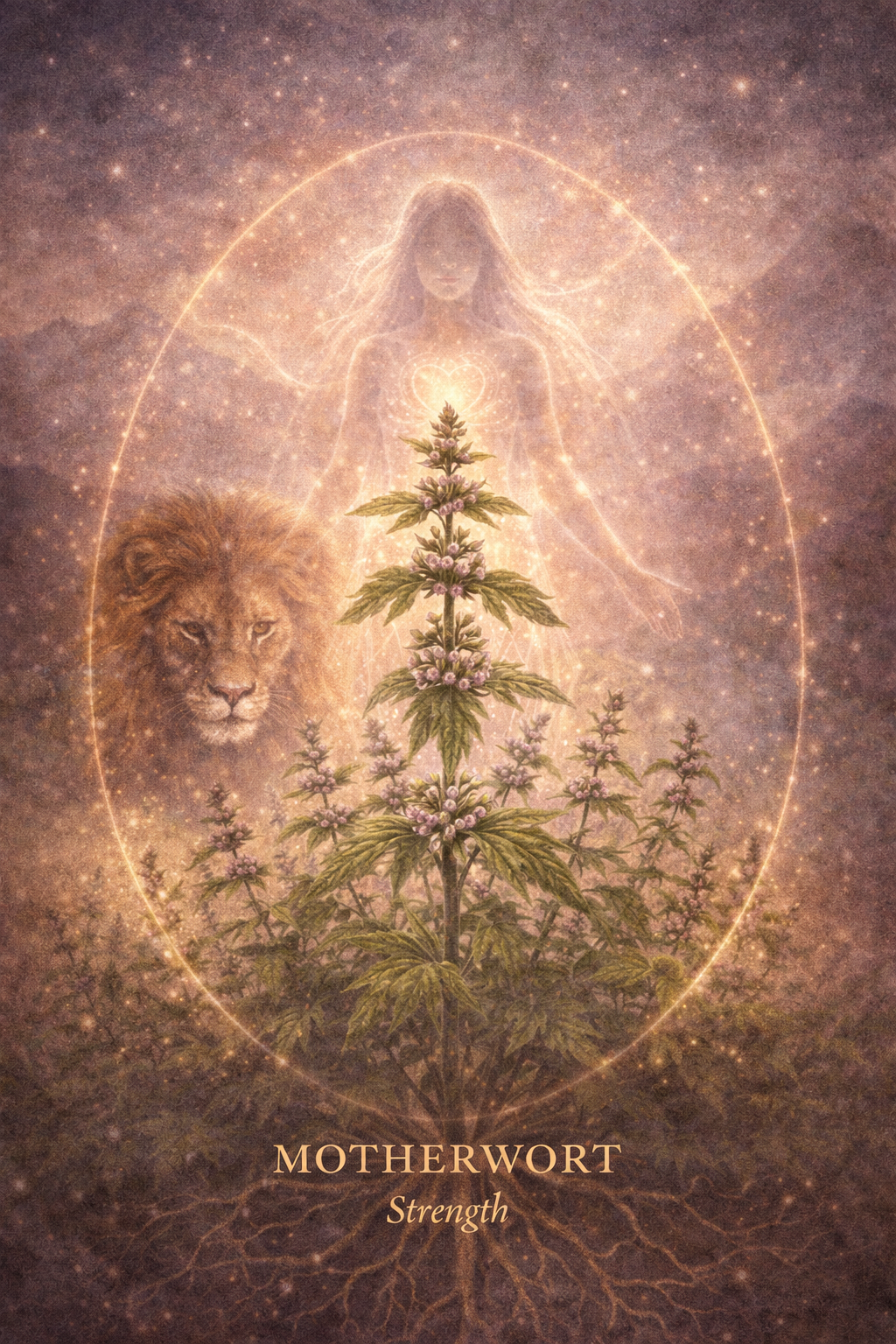
MotherWort
The Lionhearted Mother Herb
Stand in your heart as you are, without armor or apology.
I strengthen what is already true in you, so love can move with courage and your path can be walked without fear
-Motherwort Plant Spirit
Motherwort, The Lion Hearted Woman
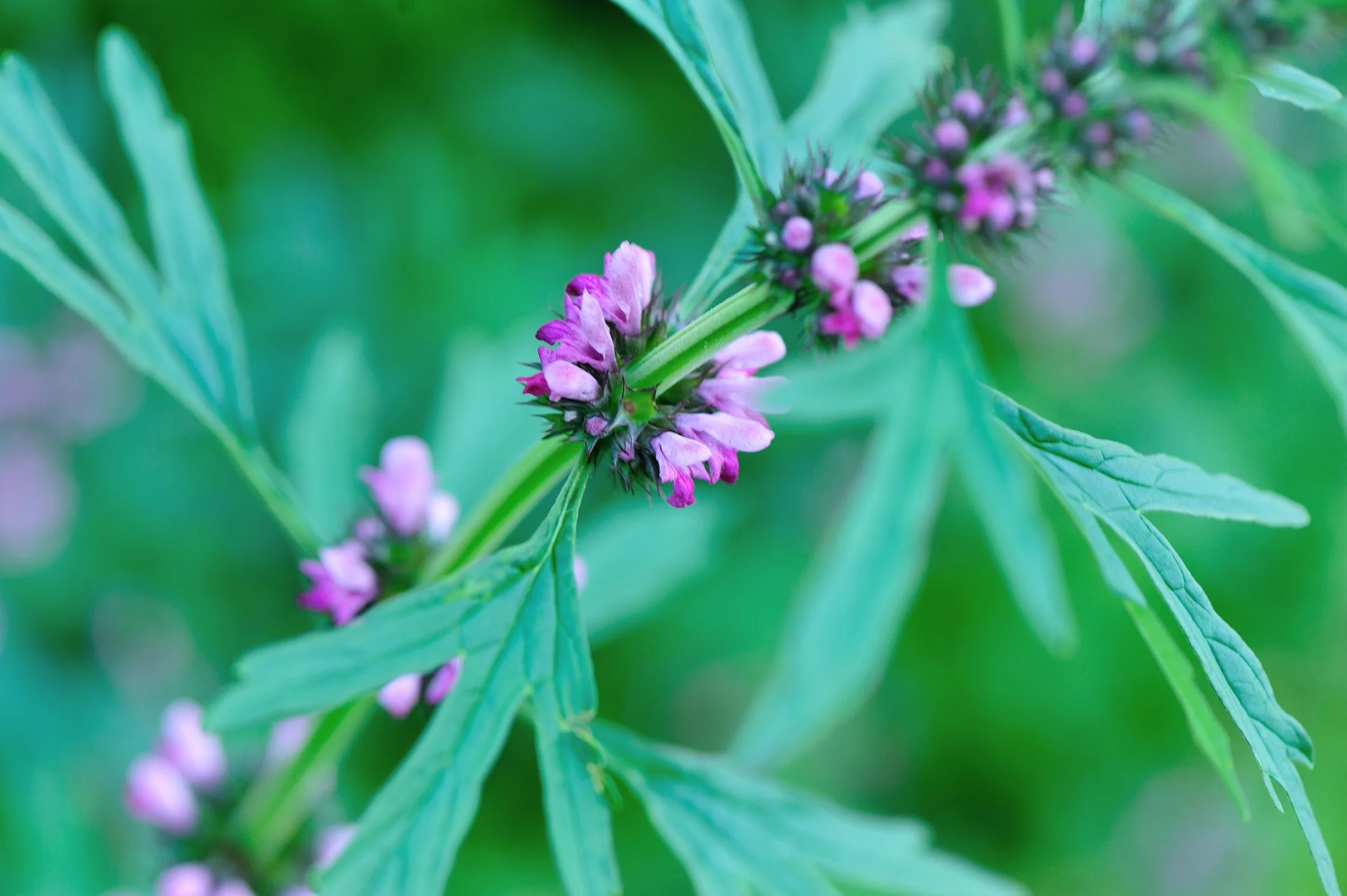
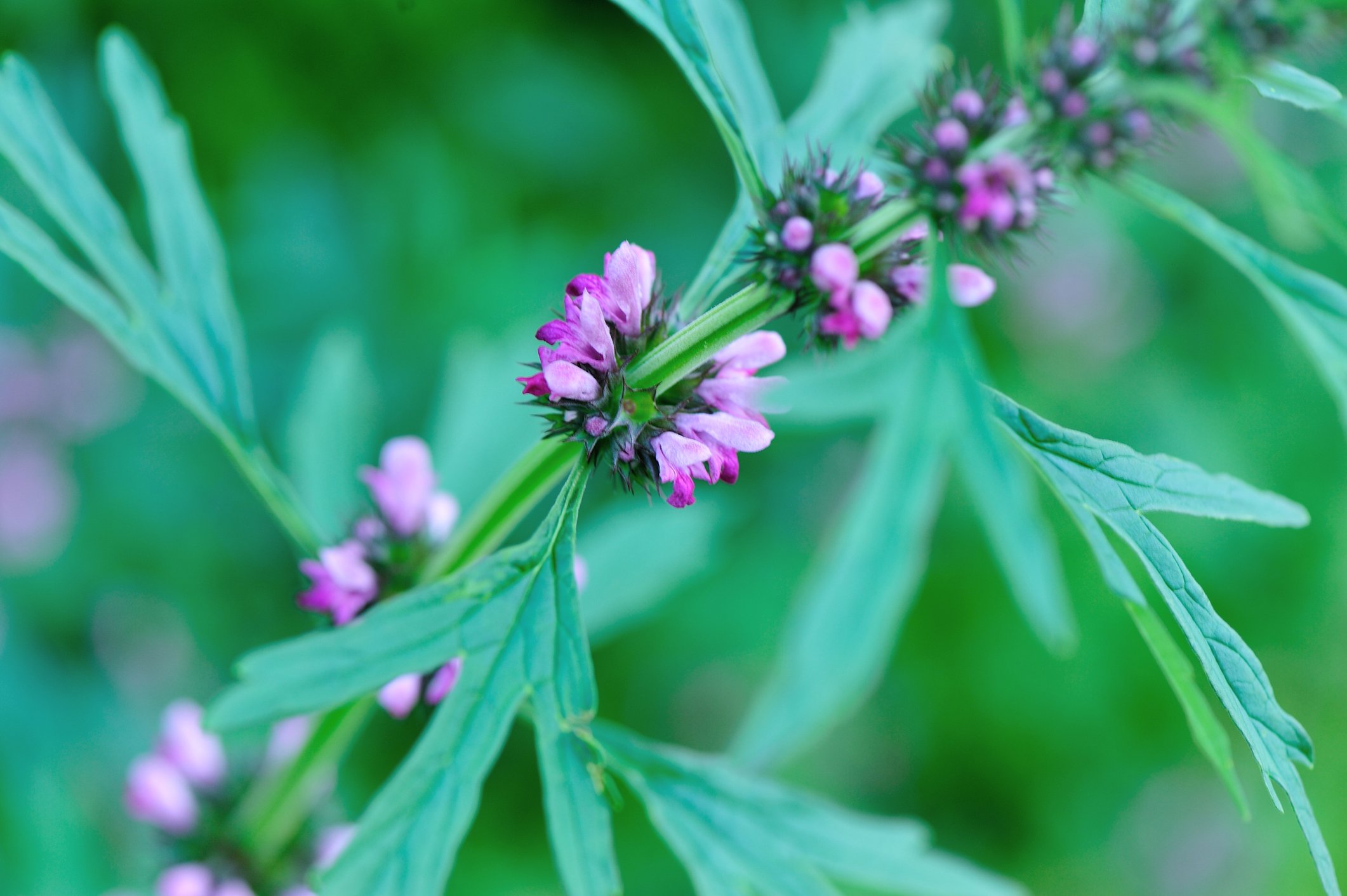
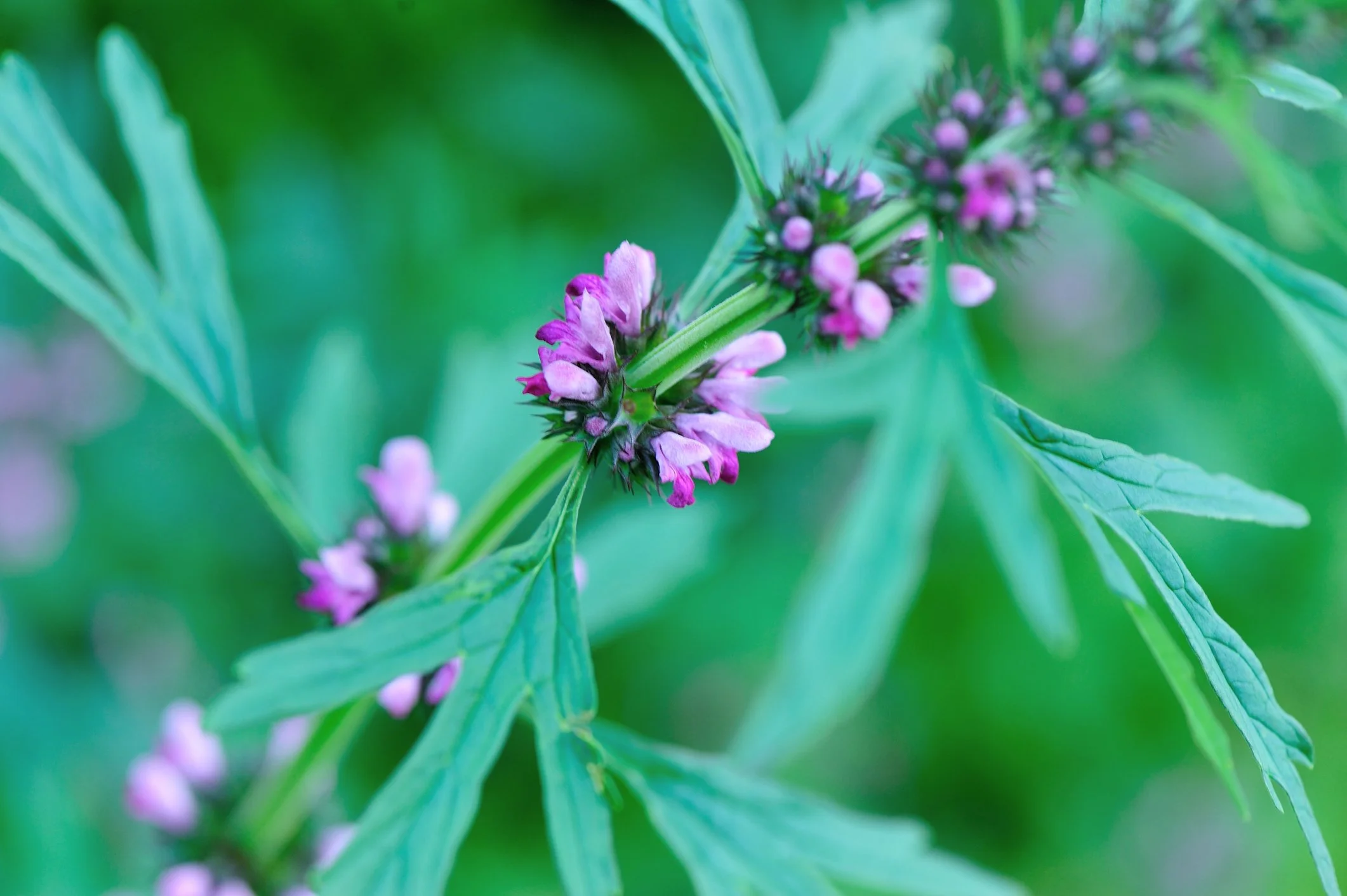
Motherwort is a plant of courage, one that has stood beside women, mothers, and heart-centered beings for centuries as a quiet but formidable ally. Its botanical name, Leonurus cardiaca, tells its story plainly. From the ancient Greek leon, meaning lion, and oura, meaning tail, Motherwort bears leaves shaped like a lion’s tail, a visual signature of its strength and protective nature. Cardiaca speaks directly to the heart, not only as an organ of circulation, but as the seat of emotional truth and spiritual will. Together, the name translates to lionhearted, a medicine for those learning how to stand in their strength without hardening.
In the ancient world, Motherwort was deeply revered across Europe and Asia. The Greeks and Romans understood it as a protector of the heart and the nervous system, especially for women navigating pregnancy, childbirth, grief, and emotional upheaval. It was prescribed for heart palpitations, anxiety, depression, and nervousness, particularly when fear or overwhelm disrupted the steady rhythm of the heart. Motherwort was not used to suppress emotion, but to stabilize it, helping the heart remember its own resilience.
Throughout medieval Europe, Motherwort became known as a guardian plant. It was planted around homes, hung above doorways, or woven into protective charms to ward off unwanted influences, both physical and unseen. It was believed to protect pregnant women and their unborn children from envy, ill will, and malignant forces, earning its reputation as a maternal sentinel. Burned or smoked, Motherwort was used to cleanse spaces, drive out lingering spirits, and restore peace to the household. In folk magic, it was used as counter-magic, a plant capable of reversing curses by strengthening the heart rather than attacking the threat.
In Asia, particularly within Chinese traditional medicine, Motherwort is known for its ability to invigorate the blood, supporting circulation, movement, and the clearing of stagnation. This reinforces its role as a medicine of flow. Where fear, trauma, or suppression has caused energy or blood to become stagnant, Motherwort gently encourages movement again, allowing life force to circulate without force.
Japanese folklore tells of a village sustained by water flowing through hills thick with Motherwort. The people who drank from this stream were said to live extraordinarily long lives, some reaching 130 years. Whether literal or symbolic, the story speaks to Motherwort’s association with longevity, resilience, and sustained vitality through heart coherence rather than exertion.
Astrologically, Motherwort is ruled by Venus, the planet of love, beauty, fertility, and attraction. Venus governs how we receive and express love, how we relate to pleasure, creativity, and self-worth. Through Venus, Motherwort becomes a midwife to the heart’s desires. It teaches how to accept what we love, how to protect what is tender, and how to transmit affection without depletion. Venus is also deeply lunar in her expression, tying Motherwort to the cycles of the moon, fertility, and the rhythms of the feminine body.
Energetically, Motherwort builds inner trust and confidence. It does not inflate ego or push courage through force. Instead, it restores faith in one’s own capacity to endure, to feel, and to choose again. Motherwort is representative of the beauty that emerges when we honor our gifts and creativity without apology. It supports the courage to accept destiny not as fate imposed from outside, but as a calling that arises from within the heart itself.
Motherwort is a strength-building herb not because it makes the heart rigid, but because it teaches how to remain open without being overtaken. It is the medicine of the steady heart, the lioness who stands watch, the maternal force that says: you are held, and you are capable.
Motherwort- Full Spectrum of Use and Indications
(Historical, Traditional, and Contemporary)
Motherwort has always appeared where the heart is under strain, not from weakness, but from having carried too much for too long. Across cultures and centuries, it has been used when emotional weight, fear, responsibility, or transition disrupt the steady rhythm of the heart. It is not a stimulant and not a sedative. Motherwort is a stabilizer, restoring courage by helping the heart regain its natural cadence.
Heart and Cardiovascular Patterns
Historically, Motherwort has been one of the primary remedies for heart palpitations, irregular heartbeat, and sensations of fluttering, pounding, or tightness in the chest, particularly when these symptoms are linked to anxiety, fear, grief, or hormonal change. The Greeks and later European herbalists recognized that when emotional distress unsettles the heart, Motherwort can bring steadiness without suppressing feeling. It is especially indicated when cardiac symptoms worsen during stress, pregnancy, postpartum periods, or emotional upheaval.
Motherwort supports the heart not by forcing strength, but by removing interference. It is often indicated when the heart feels overburdened, vigilant, or guarded, and when emotional labor has become chronic.
Nervous System and Emotional Regulation
Motherwort has long been used for anxiety, nervousness, agitation, and emotional instability, especially when fear is rooted in responsibility or care for others. It is particularly aligned with those who feel they must “hold it together” for everyone else. Unlike lighter nervines, Motherwort is grounding and fortifying. It calms without making one feel fragile or exposed.
It is traditionally used for depression, emotional heaviness, and sorrow, especially when grief is held in the chest rather than expressed outwardly. Motherwort helps feelings move through the heart without overwhelming it, supporting emotional processing without collapse.
Women’s Health, Fertility, and Reproductive Support
Motherwort has an extensive history as a women’s medicine. It has been used to support menstruation, ease cramping, reduce tension, and stabilize mood throughout the cycle. In pregnancy and postpartum periods, it was historically used to calm nervousness, support emotional steadiness, and protect the heart during immense physical and emotional transition.
Across folk traditions, Motherwort was associated with fertility, the moon, and goddess energy, and was believed to guard pregnant women and their unborn children from envy, ill will, and harmful influences. Its protective reputation made it a staple plant around homes where women and children lived.
In Chinese traditional medicine, Motherwort’s role in invigorating the blood reinforces its use in menstrual and postpartum recovery, supporting movement where stagnation has occurred due to trauma, fear, or depletion.
Stress, Trauma, and Shock
Motherwort has been used when the system has been shaken. This includes emotional shock, prolonged stress, sudden fear, or major life transitions. It is indicated when the nervous system and heart have not fully recovered from an event, leaving a lingering sense of vulnerability or instability. Motherwort rebuilds trust from the inside, allowing the system to feel safe again without retreating into numbness.
Longevity and Vitality
Folk traditions, including Japanese legends of Motherwort-infused waters, associate this plant with long life and sustained vitality. This longevity is not attributed to stimulation or force, but to coherence. Motherwort supports longevity by maintaining circulation, emotional resilience, and heart integrity over time.
Energetic and Spiritual Protection
Motherwort has long been used as a protective plant. It was planted around homes, hung in doorways, and burned as smoke to ward off unwanted influences, both physical and supernatural. In folk magic and spiritual practice, it was used for counter-magic and reversal of curses, not by attacking negativity, but by strengthening the heart so it could not be penetrated.
Energetically, Motherwort is indicated when someone feels exposed, energetically porous, or overly impacted by others’ emotions. It helps reinforce boundaries without closing the heart.
Creativity, Confidence, and Self-Trust
Ruled by Venus, Motherwort supports creativity, pleasure, and self-worth. It is indicated when someone feels disconnected from their gifts, passions, or creative force due to fear, self-doubt, or emotional exhaustion. Motherwort helps rebuild confidence gently, encouraging courageous self-expression rooted in authenticity rather than performance.
Practitioner and Caregiver Support
Motherwort is especially relevant for caregivers, healers, nurses, midwives, therapists, and practitioners who hold space for others regularly. It supports those who give from the heart and are at risk of emotional depletion. Motherwort restores balance by strengthening the heart’s capacity to care without overextending. (I take motherwort when I’m supporting clients whose hearts have been impacted)
Modern-Day Applications
In contemporary use, Motherwort continues to be applied for anxiety, heart palpitations, stress-related cardiovascular symptoms, menstrual discomfort, postpartum support, emotional regulation, and trauma recovery. It is increasingly recognized in integrative and functional herbalism as a key ally for heart-brain coherence and emotional resilience.
How to Work With Motherwort
Motherwort is a powerful ally that works best when approached with intention and respect. Unlike gentler nervines, Motherwort has a strong, grounding presence, and its medicine is most effective when the form is chosen carefully to match the need. It is not a background herb. It steps forward when the heart requires steadiness, protection, and reinforcement.
Motherwort is most commonly worked with as a tincture, and this remains the preferred form in both traditional and modern herbalism. The tincture carries Motherwort’s bitter, fortifying quality, allowing it to act quickly on the heart and nervous system. Tincture use is especially appropriate for anxiety with heart palpitations, emotional shock, postpartum support, menstrual tension, and acute stress. Small, intentional doses are often sufficient, and Motherwort can be taken as needed during moments of emotional or physiological activation.
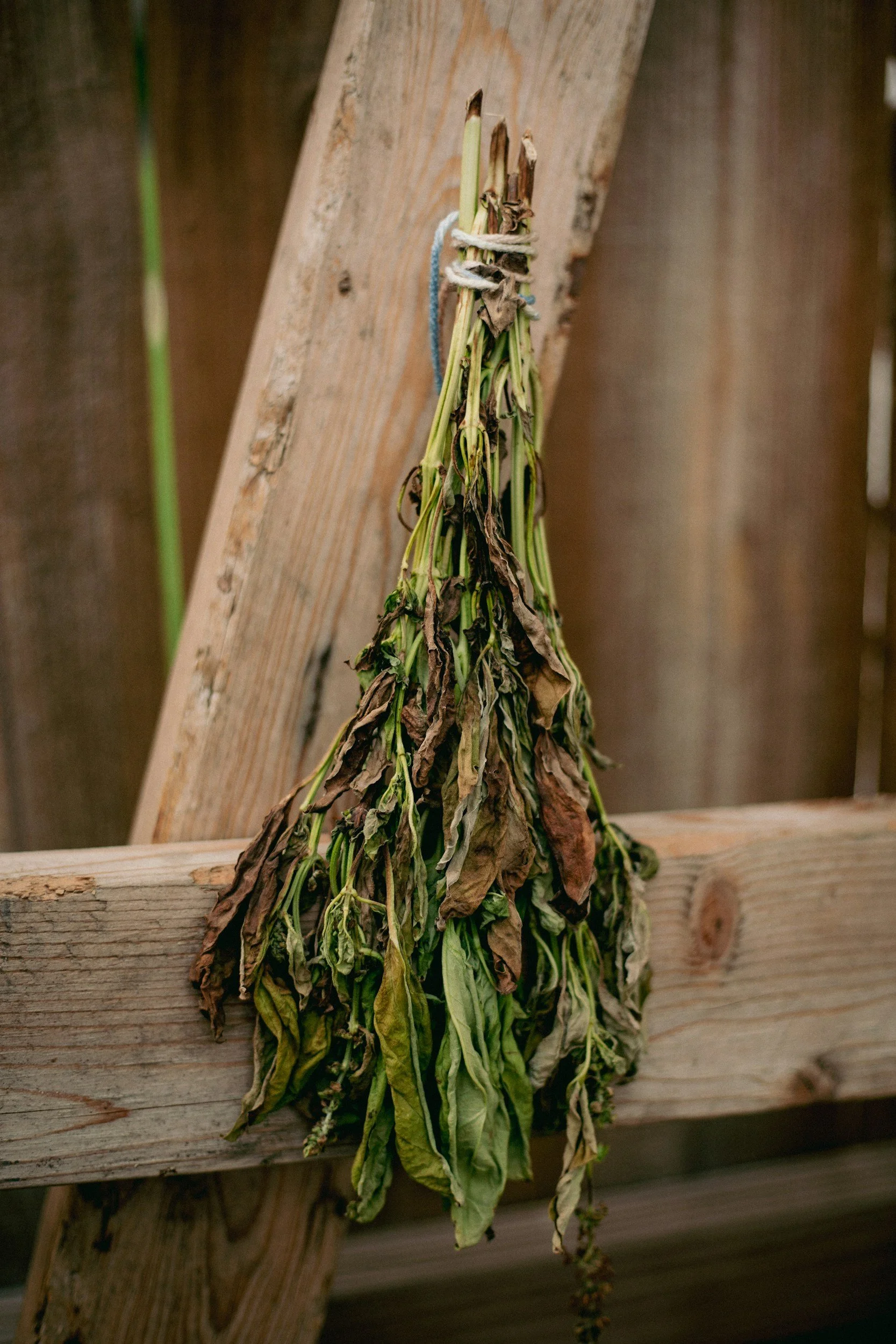
As a tea, Motherwort invites a slower, more contemplative relationship. Its taste is notably bitter, which is part of its medicine. The bitterness grounds and centers, making tea preparation appropriate for those working with long-standing emotional patterns, grief, or heart fatigue. Tea is often used during ritual, postpartum recovery, or periods of emotional processing where time and presence are available.
Motherwort can also be used in capsule form, though this is typically reserved for short-term or transitional support. Capsules provide convenience and consistency but remove the sensory engagement that helps many people build relationship with the plant. In Oracle Medicine, capsules are used sparingly and intentionally, often as a bridge rather than a long-term strategy.
Topically, Motherwort has been used in infused oils and salves, particularly applied over the heart, lower abdomen, or sacral area. Topical application supports emotional grounding and physical comfort during menstrual discomfort or postpartum recovery. While less common than internal use, topical application can be deeply supportive for those who feel hesitant to ingest the plant initially.
In ceremonial and energetic contexts, Motherwort is worked with as a protector and stabilizer. It may be carried as a talisman, placed near the bed, or used in smoke cleansing to reinforce boundaries and clear lingering emotional or energetic residue. Historically, burning or smoking Motherwort was used to drive out unwanted influences and restore peace to the home. In modern practice, it can be used to mark transitions, particularly those involving grief, birth, or major life changes.
Motherwort works best when paired with honest self-inquiry. It does not numb emotional pain or bypass feeling. Instead, it strengthens the heart so that feeling becomes possible without overwhelm. Practitioners often notice that when Motherwort is the correct ally, clients experience a sense of steadiness rather than sedation, and clarity rather than emotional flooding.
Because Motherwort supports the heart’s resilience, it is especially well suited for caregivers, healers, and those who hold space for others. It teaches how to give without depletion, how to remain compassionate without absorbing what does not belong.
Motherwort is not meant to be forced into daily routine without reflection. It is most effective when worked with intentionally, during times when the heart is being asked to hold more than usual. The relationship deepens when the plant is approached as a teacher rather than a tool.
Safety, Cautions, and Duration
Motherwort is a stronger, more directive herb, and while deeply supportive, it is not appropriate for everyone in every season. Its medicine is fortifying and grounding, which makes discernment essential.
Motherwort is not recommended during pregnancy, particularly in early stages, unless under the guidance of an experienced practitioner. While historically associated with protecting mothers and supporting women, its blood-invigorating and uterine-toning actions mean it should be used cautiously during pregnancy. Postpartum use, however, is traditionally well supported and often beneficial when appropriately dosed.
Motherwort may not be appropriate for individuals with very low blood pressure, or those who experience dizziness or lightheadedness easily, as it can have a relaxing effect on the cardiovascular system. Those with existing heart conditions or who are taking cardiac medications should work with a knowledgeable practitioner before use.
Emotionally, Motherwort can bring awareness to heart-held material. While this is often supportive, it may feel intense for individuals who are not ready to engage with emotional processing. In these cases, gentler nervines may be more appropriate initially.
Motherwort is typically used short- to medium-term, rather than indefinitely. It is especially helpful during periods of acute stress, emotional transition, postpartum recovery, menstrual support, grief, or heart strain. Once steadiness is restored, many people naturally feel ready to taper off. Long-term daily use without reassessment is generally not recommended.
Where to Source Motherwort
Because Motherwort is a potent heart and nervous system ally, sourcing matters. This plant carries strong medicine, and its effects are most reliable when it is grown, harvested, and prepared with care.
For Motherwort, I recommend Mountain Rose Herbs as a trusted source. They offer high-quality dried Motherwort, as well as tinctures, teas, and herbal blends, all produced with a strong commitment to organic cultivation and ethical sourcing. Their preparations are consistent, clean, and well-suited for both personal use and practitioner-level work. Mountain Rose Herbs’ Motherwort allows for flexibility in how the plant is worked with. Dried herb is ideal for teas and ritual preparations, tinctures provide focused and practical support, and blends can offer gentle integration when Motherwort is combined with complementary herbs.
Choosing a reliable source ensures that Motherwort’s strength is expressed as steadiness rather than force, allowing its medicine to support the heart with clarity and respect.